World
Trump’s Iran war drags on as victory claims face scrutiny
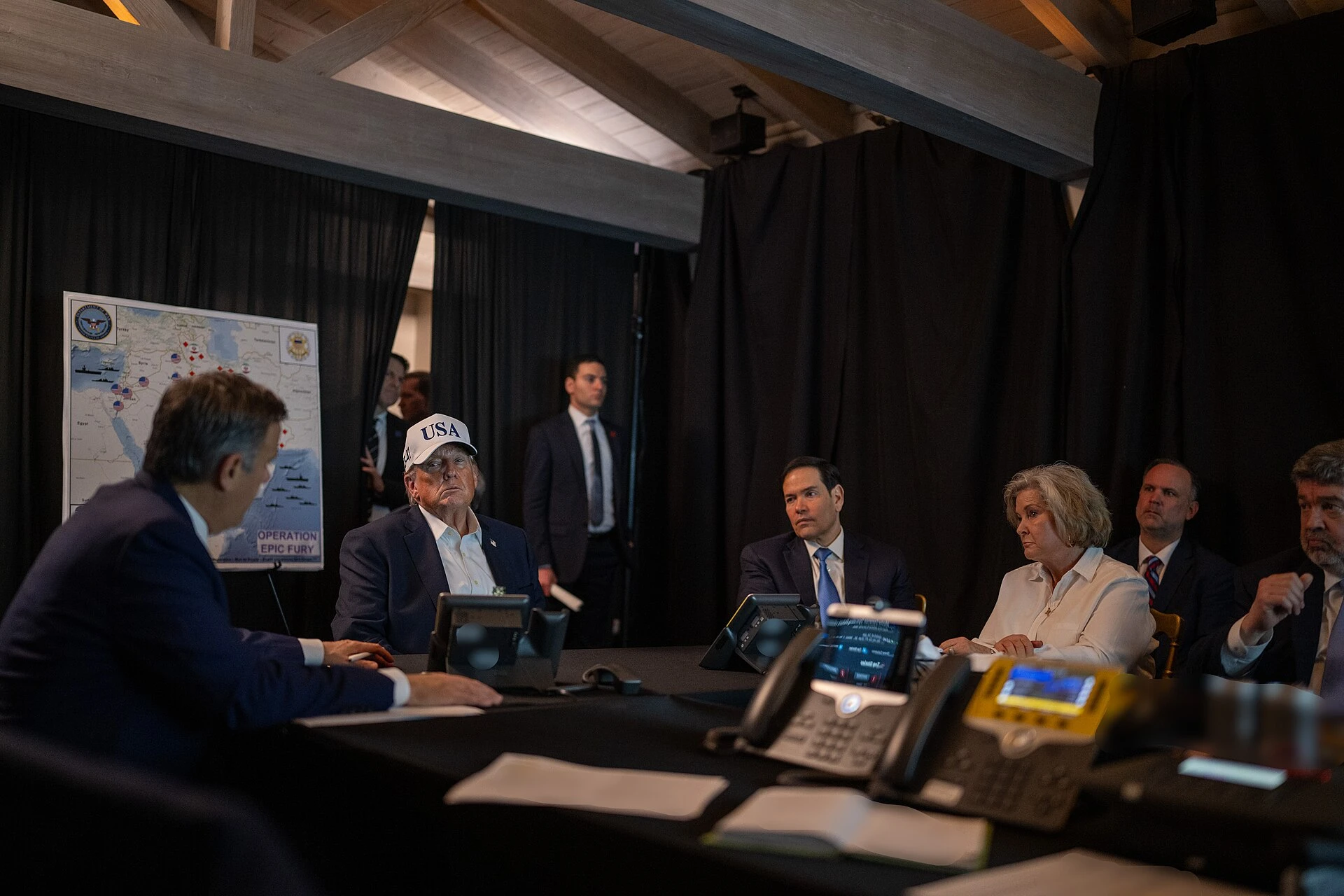
Donald Trump has kept telling allies and lawmakers that the Iran war is almost finished, even as attacks in the Strait of Hormuz, a naval blockade and a scramble for the tentative deal’s text point to a conflict with no clear end state. The White House says Operation Epic Fury delivered “overwhelming victories” and secured a ceasefire and reopening of the strait, but the battlefield, the markets and Congress still tell a messier story.
The administration’s timeline has shifted from weeks to months. Trump said in an April 1 White House address that the military mission would be completed “very shortly” and that U.S. forces would hit Iran hard over the next two to three weeks. By June 11, he was still offering timelines of days and weeks, even though no solution had emerged. The war began on Feb. 28, and Trump’s March 2 letter to congressional leaders started the 60-day War Powers clock.
That clock became a political problem in Washington. On May 1, Trump told Congress that hostilities with Iran had “terminated,” a declaration that appeared designed to sidestep the deadline that would otherwise force a wind-down or congressional approval. Lawmakers from both parties have since pressed the White House to release the text of the tentative deal, a sign that the central question is no longer whether fighting can be paused, but what victory would actually mean if the terms remain undisclosed.
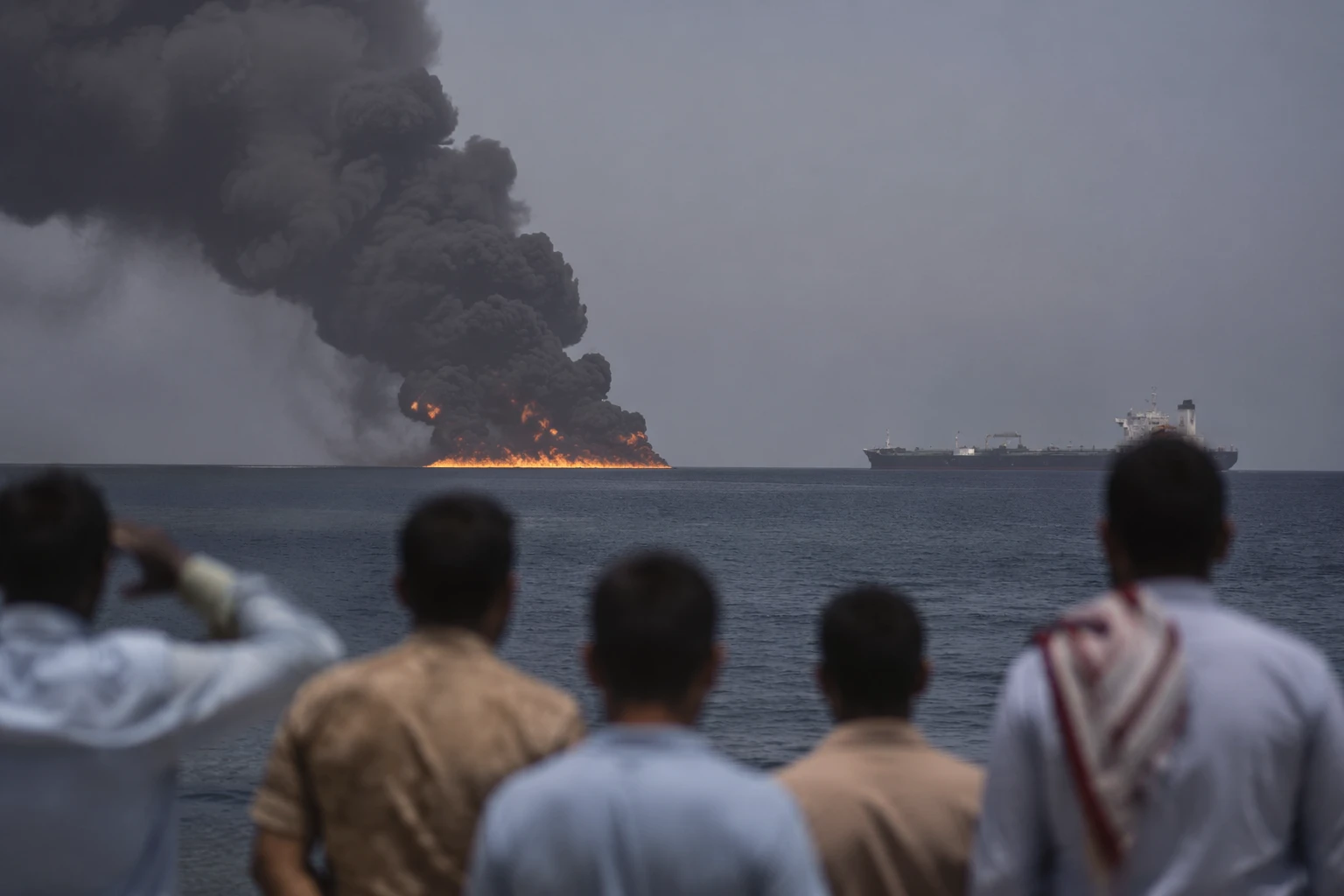
The costs are showing up far beyond the White House briefing room. The Congressional Research Service said Iranian forces declared the Strait of Hormuz “closed” starting March 4, and warned that attacks on shipping have cut traffic and rattled oil and natural gas markets. The strait is one of the world’s most important energy chokepoints, and even limited disruptions can move prices fast.

In early July, the International Maritime Organization called for “maximum restraint and de-escalation” after renewed attacks on shipping. Nearly 6,000 seafarers were stranded in the Gulf as tensions persisted, a reminder that the war has become a maritime standoff with global consequences.
Markets have treated the fighting as anything but over. Reuters reported on July 14 that oil prices rose nearly 3% to a four-week high as the U.S. reimposed a naval blockade and attacks in the Strait of Hormuz escalated. For Trump, that leaves a narrowing definition of success: keeping the strait open, preventing a wider Middle East war and surviving a domestic fight over war powers while insisting the conflict is already won.
Sources
- [1]cbsnews.com
- [2]congress.gov
- [3]news.un.org
- [4]cnbc.com