World
Trump's Iran war echoes U.S. traps in Iraq and Afghanistan
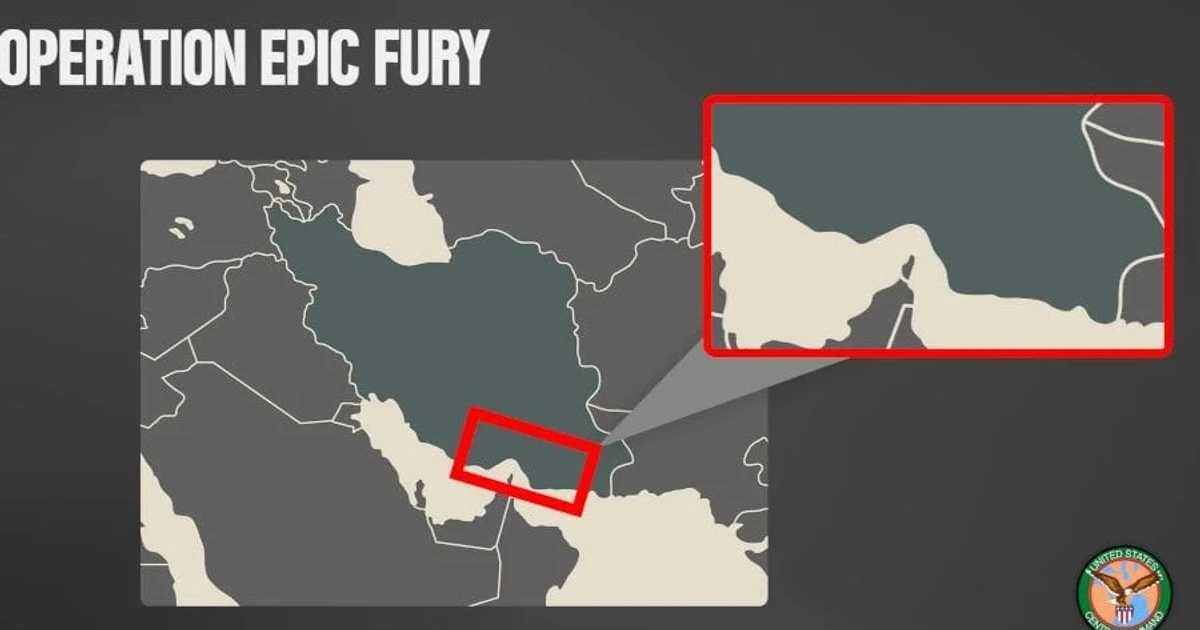
Trump’s February 28, 2026 launch of Operation Epic Fury against Iran quickly moved beyond a limited strike campaign, with U.S. and Israeli attacks triggering an ongoing regional conflict, retaliatory strikes across several countries and major disruption to shipping through the Strait of Hormuz. The State Department said the operation aimed to destroy Iranian offensive missiles, missile production, naval assets and other security infrastructure, while Trump said the goal was to “eliminate imminent threats from the Iranian regime.”
That widening mission has revived the same pattern that haunted Iraq and Afghanistan: an initial claim of necessity followed by a broader, less defined military commitment. In White House statements, Trump and allies cast Iran as a 47-year adversary and reached back to the 1979 hostage crisis, the Beirut Marine barracks bombing, the Khobar Towers attack and roadside bombs in Iraq and Afghanistan to justify the campaign. The rhetoric framed the war as a long-delayed reckoning, but the military steps since February 28 have made the conflict harder to contain, not easier.
The political fight in Washington has followed the same logic. A Congressional Research Service brief from June 23, 2025 said the War Powers Resolution requires presidents to inform Congress about certain deployments and the introduction of U.S. forces into hostilities. Four days later, the Senate voted 53-47 to reject a resolution that would have constrained Trump’s ability to take further military action against Iran, leaving the administration with broad latitude as the campaign expanded. Pete Hegseth, Tom Cotton and Lindsey Graham have each been tied to the administration’s hawkish posture, reinforcing the pressure to keep the operation moving rather than narrow it.
The analogy with Iraq and Afghanistan is strongest where preventive-war arguments, disputed threat claims and mission creep overlap. It breaks down in one important respect: Iran’s conflict has already become a direct regional exchange, not a U.S. occupation or counterinsurgency. The House of Commons Library said Israel began strikes on June 13, 2025, targeting Iran’s nuclear, ballistic-missile and energy facilities, and that the fighting ran through June 23, 2025. A Washington Institute analysis said Tehran’s Iraqi proxies largely sat out the twelve-day war, though competition over Iraq’s airspace, economic ties and security influence is likely to continue. That leaves the central question unchanged in Washington and Tehran alike: whether the war stays a punitive campaign or turns into another open-ended U.S. commitment.
Sources
- [1]nytimes.com
- [2]state.gov
- [3]whitehouse.gov
- [4]congress.gov
- [5]stripes.com
- [6]commonslibrary.parliament.uk
- [7]washingtoninstitute.org
- [8]war.gov