Business
Trump’s Legal War on Offshore Wind Suffers Fifth Consecutive Court Defeat
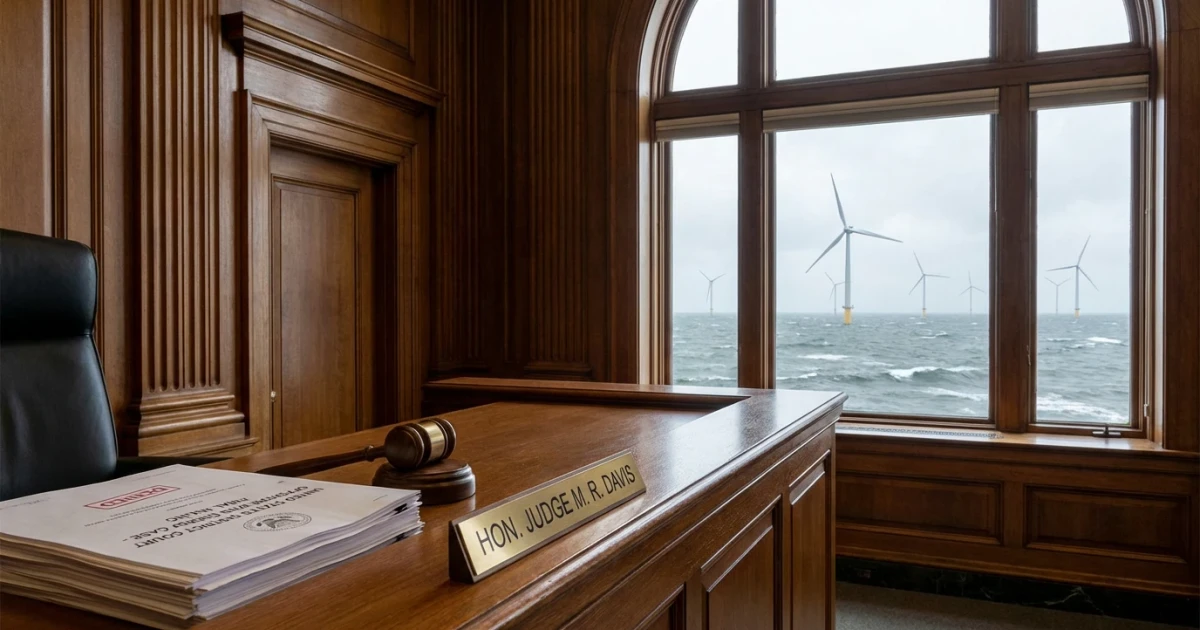
Donald Trump's persistent legal battle to halt offshore wind energy projects suffered a decisive blow this week, as a federal judge rejected his latest challenge—marking his fifth consecutive courtroom defeat in this ongoing campaign. The ruling further cements the legal backing for the Biden administration's renewable energy agenda and underscores mounting obstacles facing attempts to derail the expansion of offshore wind power in the United States.
Trump’s Legal Challenges Against Offshore Wind
Since leaving office, former president Donald Trump has emerged as a vocal opponent of offshore wind, repeatedly criticizing its environmental impact and economic viability. Through a series of lawsuits, Trump and his legal team have sought to block the construction and operation of large-scale offshore wind farms, particularly along the Atlantic coast. His most recent case, like the four before it, failed to convince the courts, with the latest judge ruling that the claims lacked sufficient legal merit to halt permitted wind energy projects.
Details of the Latest Court Ruling
The federal court’s decision is notable not only as Trump’s fifth loss but also for the clarity with which the judge dismissed arguments against the regulatory approvals granted to offshore wind developers. Legal analysts note that the courts have consistently sided with federal agencies overseeing renewable energy permits, citing thorough environmental reviews and compliance with statutory requirements.
- Five consecutive legal defeats for Trump in his anti-offshore wind efforts
- All rulings have upheld federal permitting and environmental processes
Implications for U.S. Renewable Energy Policy
This string of courtroom losses has significant implications for the future of American renewable energy. As the Biden administration pushes to accelerate offshore wind development as part of its climate agenda, these judicial decisions provide a green light for ongoing and future projects. Industry advocates argue that the rulings remove a key source of uncertainty for investors and developers, helping the U.S. catch up to Europe and Asia in building large-scale offshore wind infrastructure.
Public and Political Reactions
The repeated legal setbacks for Trump have prompted commentary across the political spectrum. Supporters of offshore wind projects view the decisions as validation of the environmental and economic case for clean energy. Critics, however, maintain that concerns about wildlife, local fishing industries, and coastal communities should not be dismissed, even as courts have found federal agencies met their legal obligations.
What’s Next for Offshore Wind in the U.S.?
With multiple court decisions now reinforcing the legal foundation for offshore wind, industry observers anticipate a period of accelerated permitting and construction. The administration’s goal of deploying 30 gigawatts of offshore wind energy by 2030 remains ambitious, but the resolution of high-profile legal challenges could pave the way for more rapid progress.
While Trump’s campaign against offshore wind may continue in the public arena, the judicial record indicates little appetite among courts to revisit the comprehensive reviews already conducted. For now, the momentum appears firmly on the side of renewable energy expansion along America’s coasts.