US News
Trump’s NATO Comments Spark Global Debate on U.S. Security Commitments
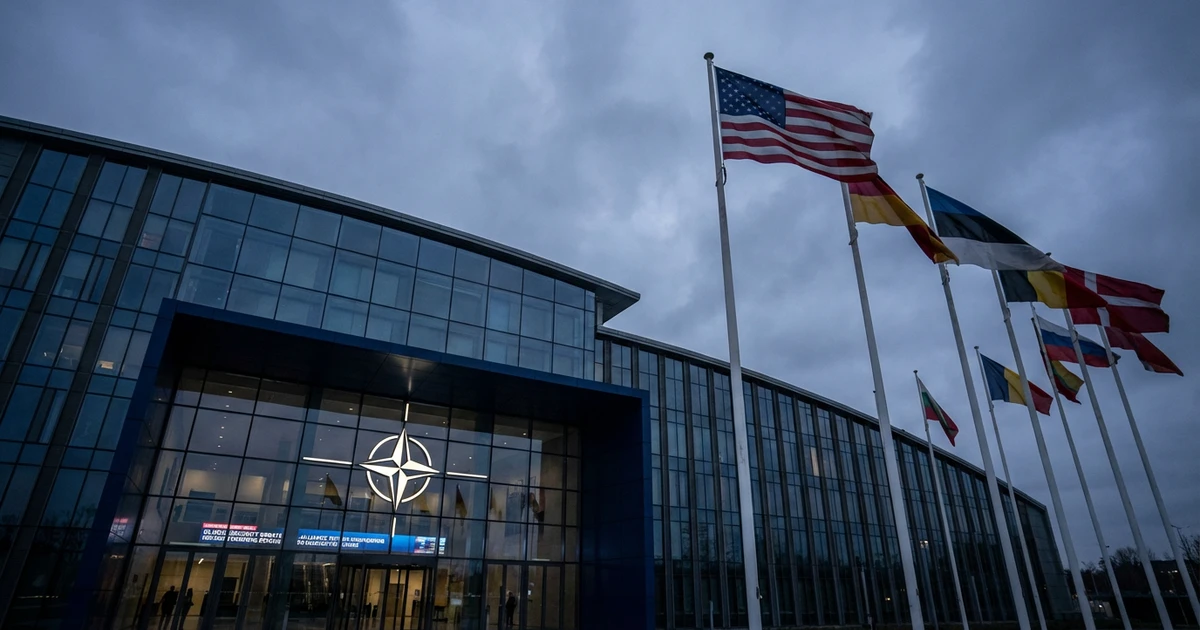
Trump’s NATO Comments Spark Global Debate on U.S. Security Commitments
Former President Donald Trump's recent comments regarding the North Atlantic Treaty Organization (NATO) have reignited intense international debate, underscoring uncertainty around the future of U.S. commitments to its traditional allies. As world leaders and policy experts weigh the implications, the remarks have brought issues of global security and diplomatic trust to the forefront.
Background: Trump’s NATO Remarks
According to reports from The New York Times, Trump’s statements about NATO have drawn widespread attention. Although the specific content of his remarks was not detailed in the source, the context suggests that they have provoked fresh scrutiny of the United States’ role within the alliance. Historically, Trump has been critical of NATO, often questioning member states’ financial contributions and the overall value of the alliance to U.S. interests.
International Reactions and Strategic Concerns
International observers quickly responded to Trump’s latest commentary. European leaders, in particular, are closely monitoring the situation given the alliance’s role in collective defense. NATO’s Article 5, which stipulates that an attack on one member is an attack on all, remains a cornerstone of Western security. Any suggestion of wavering U.S. commitment can have significant consequences for global stability.
- NATO consists of 32 member countries, including the United States, United Kingdom, Germany, France, and others.
- The alliance’s mutual defense clause has only been invoked once—in response to the September 11, 2001 attacks.
Implications for U.S. Foreign Policy
Trump’s approach to NATO has long been a point of contention in U.S. foreign policy circles. Advocates of a strong transatlantic relationship argue that American leadership within NATO deters adversaries and maintains global order. Critics of this stance, however, question the financial and military burdens placed on the U.S., echoing Trump’s concerns about "fair share" contributions.
Security, Trust, and the Road Ahead
With the 2024 U.S. presidential election cycle intensifying, the future direction of American foreign policy is once again under the microscope. NATO allies are seeking assurances that the U.S. will uphold its treaty obligations regardless of political changes in Washington. Meanwhile, adversaries are closely watching for signs of discord within the alliance.
- Recent years have seen increased defense spending among European NATO members, in part due to U.S. pressure for "burden sharing".
- Ongoing global conflicts, such as the situation in Ukraine, have heightened the perceived importance of NATO’s unity.
Conclusion: A Pivotal Moment for Global Alliances
As the world digests the implications of Trump’s latest NATO comments, the alliance stands at a crossroads. The debate over U.S. involvement in NATO is more than a question of dollars and cents—it is a test of enduring partnerships and collective resolve. The coming months will be crucial in determining whether the alliance emerges strengthened, or faces renewed uncertainty on the world stage.