World
Trump’s return tests Macron as G7 faces Iran and Ukraine tensions
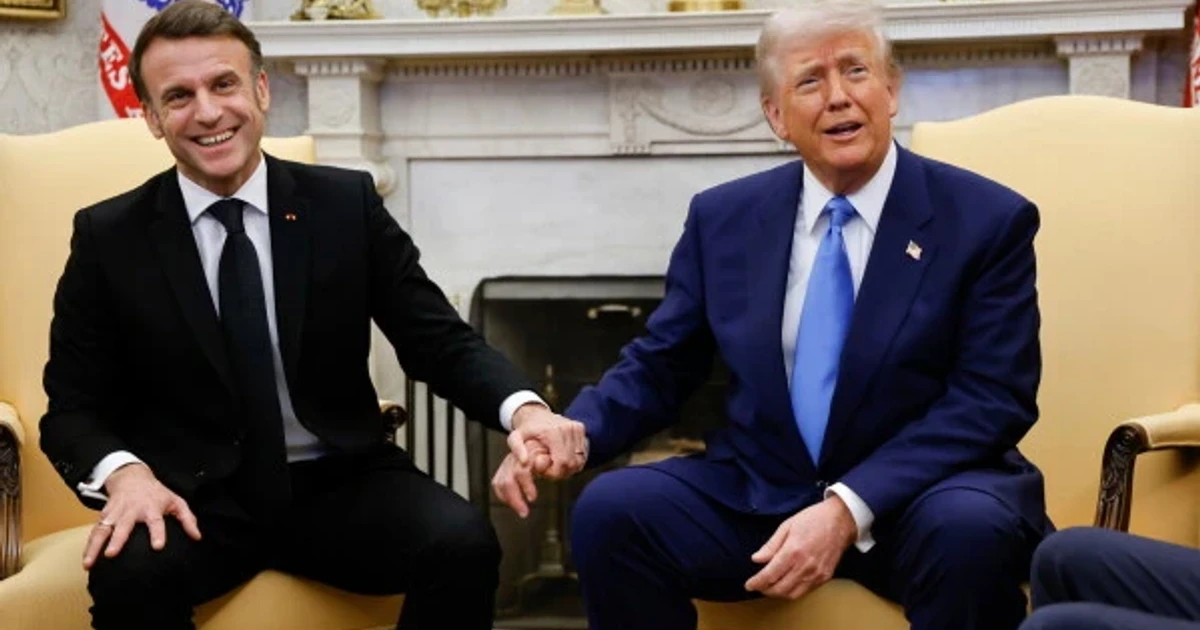
The G7 enters Évian-les-Bains with its oldest promise under strain: to act as a coordinated bloc when Donald Trump is again the member most likely to fracture it from within. France will host the June 15 to 17 summit on the southern shore of Lake Geneva, returning the meeting to Évian 23 years after the 2003 G8 and seven years after Biarritz, as leaders try to keep war, trade and technology from being drowned out by Trump-driven divisions.
The agenda is already being pulled toward two conflicts, Iran and Ukraine, that expose how narrow the group’s common ground has become. The G7 has operated as the G7 rather than the G8 since 2014, after Russia’s violation of Ukraine’s sovereignty and territorial integrity, but the war that once helped define the bloc now returns alongside fresh doubts about whether Washington will stay aligned on sanctions, aid and diplomatic pressure.
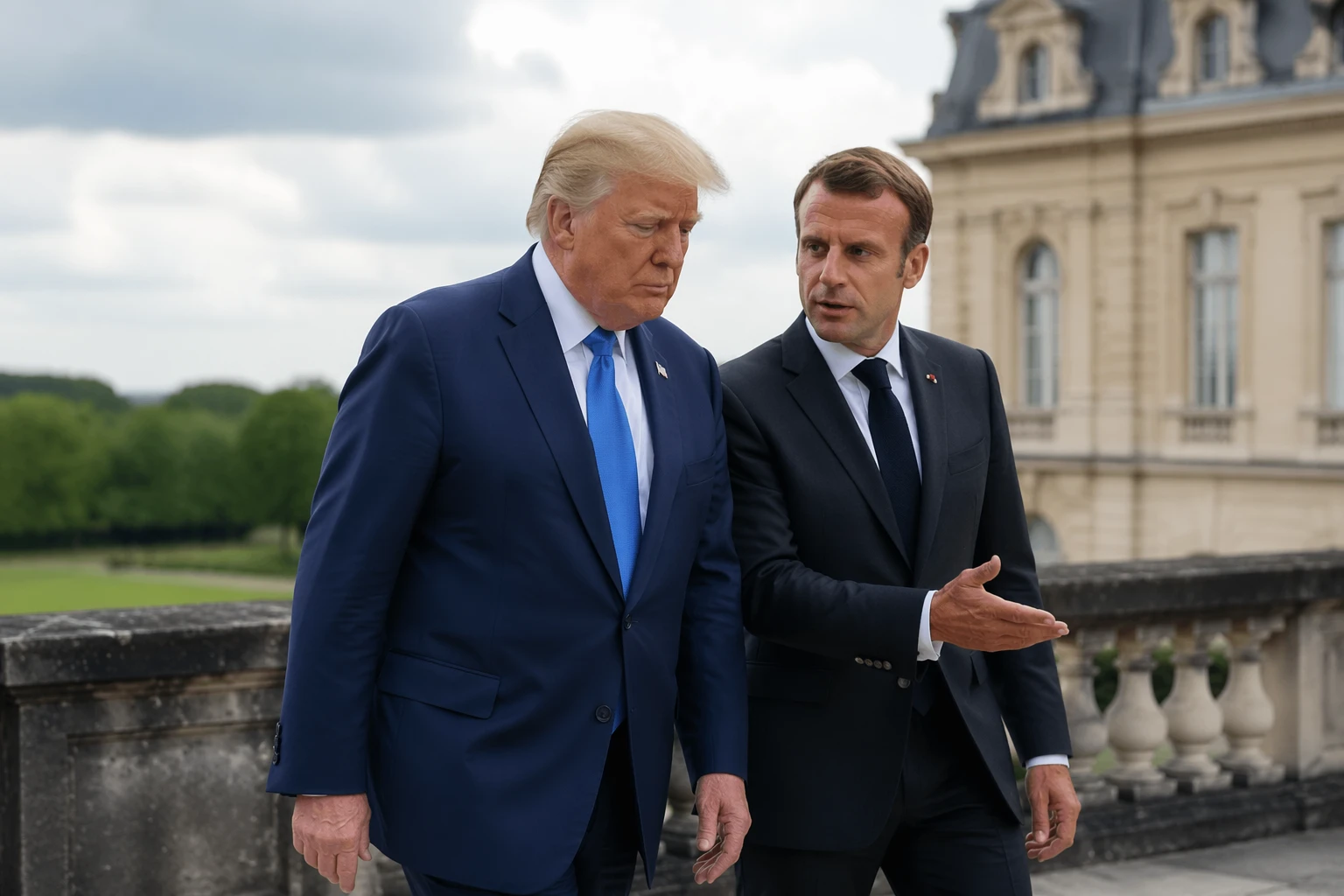
Emmanuel Macron’s answer has been accommodation. Trump is expected to travel to Évian early Monday after a mixed-martial-arts event at the White House on Sunday, then hold bilateral meetings with Egyptian President Abdel Fattah el-Sisi and Indian Prime Minister Narendra Modi, along with a working session with Ukrainian President Volodymyr Zelenskyy. Macron and Trump are also scheduled to meet over dinner at the Palace of Versailles on Wednesday, a post-summit gesture meant to keep Trump engaged and reduce the risk of an abrupt departure.
The guest list shows how far the summit has drifted from its original closed-circle purpose. Brazil, Egypt, India, Kenya, South Korea, Qatar, Ukraine and the United Arab Emirates are all among the invited countries and partners, while summit materials also include contributions from the African Development Bank, the International Monetary Fund, the OECD and the World Bank. That broader cast may widen the summit’s reach, but it also reflects how much the seven industrial democracies now rely on outsiders to patch gaps in security, development and economic coordination.
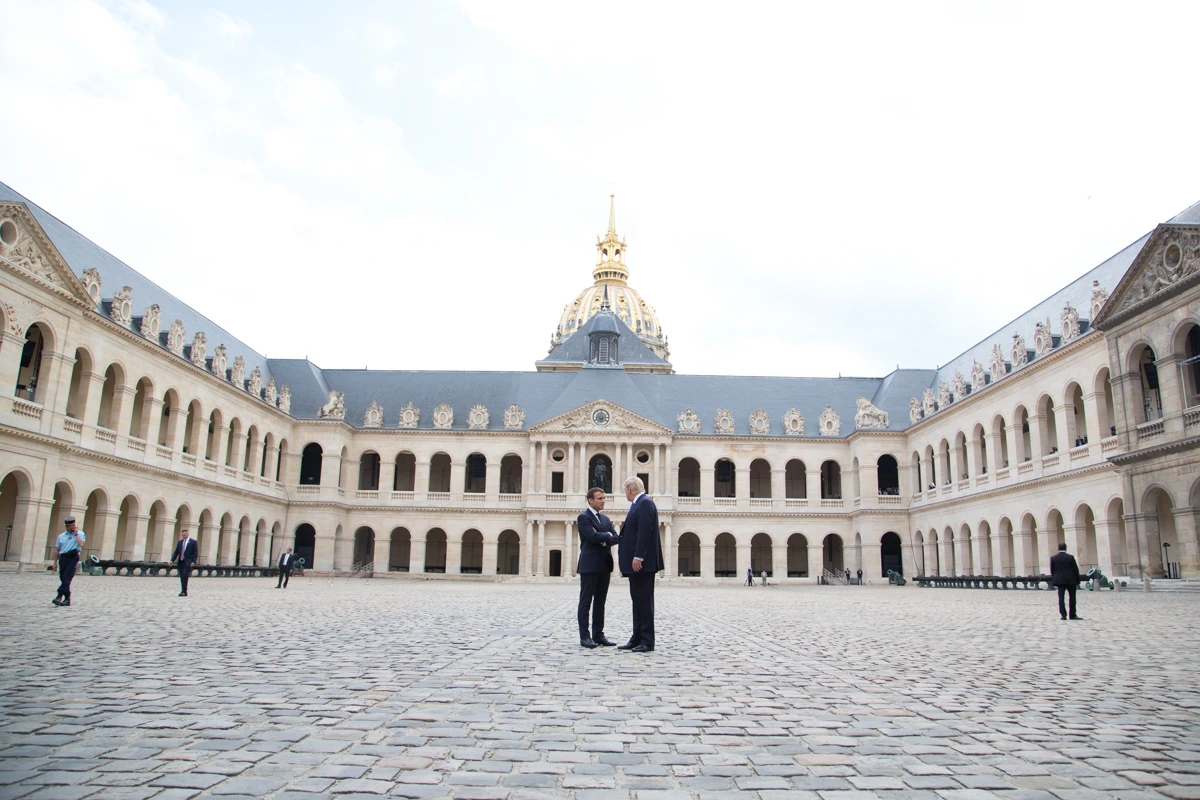
The political backdrop is equally stark. An ECFR poll cited in coverage found only 11% of respondents in more than a dozen European countries viewed the Trump administration as an ally, a measure of how badly transatlantic trust has eroded. With Trump also expected to press Sir Keir Starmer on immigration and leaders planning talks on artificial intelligence and digital safety with Sam Altman and Arthur Mensch, the G7’s older priorities on trade, China and climate risk being pushed further to the margins. The summit’s challenge is no longer just managing disagreement. It is proving the group can still function at all when one of its central members is also its main source of disruption.
Sources
- [1]news.google.com
- [2]elysee.fr
- [3]consilium.europa.eu
- [4]politico.com
- [5]france24.com
- [6]cnbc.com
- [7]usnews.com
- [8]courthousenews.com
- [9]g7.utoronto.ca