US News
Trump’s Signature to Appear on U.S. Dollar Bills
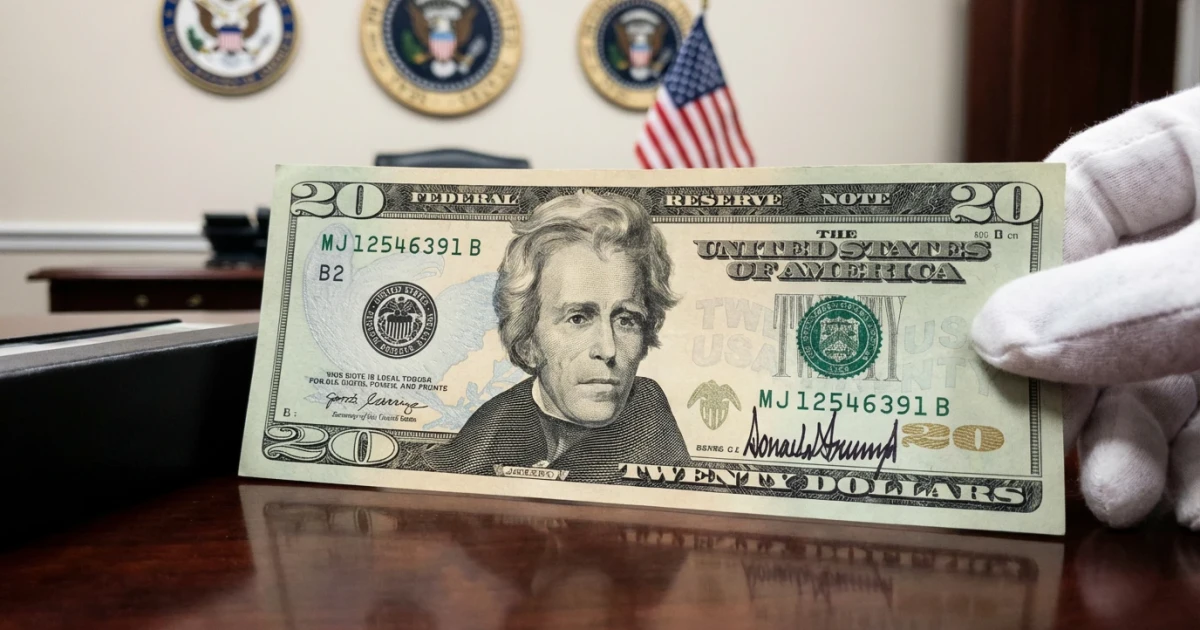
Donald Trump’s signature is set to appear on U.S. currency for the first time in American history, according to reporting from The New York Times. This decision marks a significant departure from longstanding tradition, in which the signatures of the Treasury Secretary and the Treasurer typically appear on the nation’s banknotes.
Historic Change in U.S. Currency Design
Historically, U.S. currency has featured the signatures of two key Treasury Department officials: the Secretary of the Treasury and the Treasurer of the United States. These signatures serve as official endorsements of each note’s authenticity and legality. The addition of a sitting president’s signature is unprecedented in the modern era, as confirmed by the U.S. Treasury’s records on currency design.
Understanding the Process and Its Significance
The move to include Donald Trump’s signature on dollar bills represents not just a symbolic gesture, but also a practical modification to the design and approval process for American currency. According to Federal Reserve explanations, the law requires at least the signature of the Treasury Secretary, but does not prohibit additional signatures. This flexibility has rarely, if ever, been exercised until now.
- Previous practice: Only Treasury officials’ signatures on notes
- Current change: Addition of a sitting president’s signature, starting with Trump
This change is expected to appear on new notes entering circulation later this year, according to details made available by the Bureau of Engraving and Printing, which oversees the physical production of U.S. currency.
Public Reactions and Context
This decision has sparked conversations about the intersection of politics and national symbols. Historically, presidents’ portraits have adorned various denominations—such as Abraham Lincoln on the $5 bill or George Washington on the $1 bill—but their signatures have never been a feature.
Experts note that while the legal and technical requirements for currency signatures do not bar a president’s signature, the change is unusual and raises questions about the evolving role of presidential influence on government symbols. As noted in research from the Government Accountability Office, design changes to U.S. notes are typically driven by security or anti-counterfeiting needs, making this addition a rare instance of a design change for symbolic rather than practical reasons.
Looking Ahead
With Trump’s signature set to debut on dollar bills, collectors and members of the public alike are watching closely for the release of these redesigned notes. The addition is expected to spark further debate about tradition, symbolism, and the balance of political influence on federal instruments. For those interested in the evolving history of American currency, official sources such as the Bureau of Engraving and Printing’s historical timeline offer deeper context into how U.S. notes have changed over the decades.
As new bills enter circulation, the impact of this unique decision—and potential future changes to currency design—will be watched both at home and abroad.