Business
Trump’s Support for Nexstar-Tegna Merger Roils Conservative Media Landscape
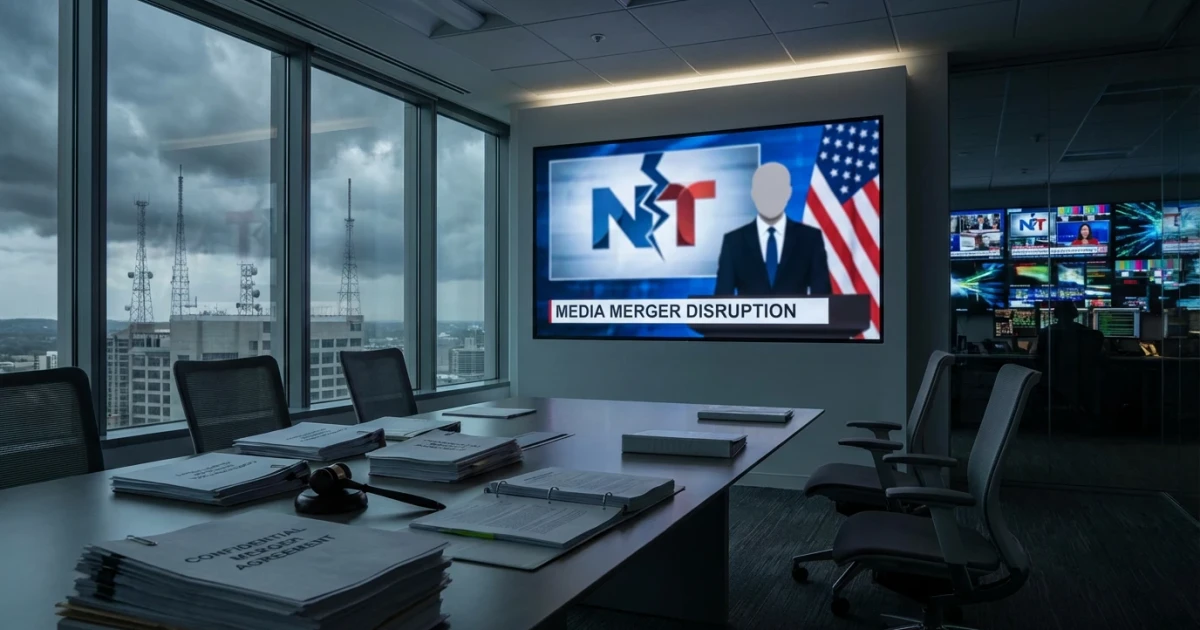
Donald Trump’s recent endorsement of the proposed Nexstar acquisition of Tegna has sent shockwaves through the conservative media ecosystem, exposing rifts within a landscape typically aligned with the former president. The move marks a significant shift in Trump’s media strategy and is already influencing discussions about media consolidation and regulatory oversight.
The Nexstar-Tegna Merger: Background and Significance
The proposed merger between Nexstar Media Group, already the largest local TV station owner in the United States, and Tegna, another major broadcaster, would further consolidate control over local news outlets. If approved, the combined company would own or operate over 200 television stations, reaching a majority of American households. This scale would grant Nexstar unprecedented influence over local news programming, advertising markets, and political messaging nationwide.
Trump’s Surprising Reversal and Its Implications
Trump’s endorsement of the merger represents a notable reversal from his previous opposition to media consolidation when in office. According to multiple reports, Trump’s support has caught both allies and adversaries off guard, as he previously criticized large media conglomerates for stifling competition and diversity of viewpoints.
Industry analysts suggest that Trump’s support may be motivated by perceived alignment with Nexstar executives or by a desire to strengthen conservative-leaning broadcast networks ahead of the 2026 election cycle. The endorsement has also fueled speculation about Trump’s broader ambitions to influence or shape the media landscape in anticipation of a potential political comeback.
Conservative Media Alliances Under Strain
Trump’s backing of the Nexstar-Tegna deal has triggered unease among some conservative media outlets who fear increased consolidation could marginalize their voices or shift editorial priorities away from their core audiences. While some right-leaning broadcasters welcome the potential for more unified messaging, others are wary of losing autonomy or being subsumed by a larger corporate entity.
- Media consolidation concerns: Critics argue the merger could reduce localism and diversity of opinion, especially in swing states where local news coverage can impact political outcomes.
- Regulatory scrutiny: The merger faces hurdles from the Federal Communications Commission (FCC) and antitrust regulators, who must weigh the public interest against the risks of market concentration.
- Political ramifications: Trump’s intervention in the deal could pressure Republican lawmakers and regulators to support the merger, further politicizing the approval process.
Broader Impact on the Media Industry
The Nexstar-Tegna merger is the latest flashpoint in an ongoing debate about the concentration of media ownership in the U.S. Proponents argue that consolidation can deliver efficiencies and financial stability for struggling local stations, while opponents warn of diminished local news coverage, homogenized viewpoints, and fewer checks on corporate and political power.
Trump’s high-profile involvement underscores the political stakes of media mergers in an election year and highlights the growing influence of partisan actors in shaping the future of journalism. As the deal proceeds through regulatory review, all eyes will be on the FCC and Justice Department to see whether Trump’s endorsement tips the scales or sparks broader resistance from media watchdogs and public interest groups.
What’s Next?
With the fate of the Nexstar-Tegna merger hanging in the balance, the coming months are likely to see intensified lobbying on both sides, renewed scrutiny from lawmakers, and continued debate over the role of political figures in media regulation. Whether Trump’s support ultimately helps or hinders the deal remains to be seen, but the episode has already redrawn battle lines within conservative media and raised urgent questions about the future of American broadcasting.
Sources
- [1]Politico