Business
Trump’s Tariffs Add Pressure on U.S. Manufacturers
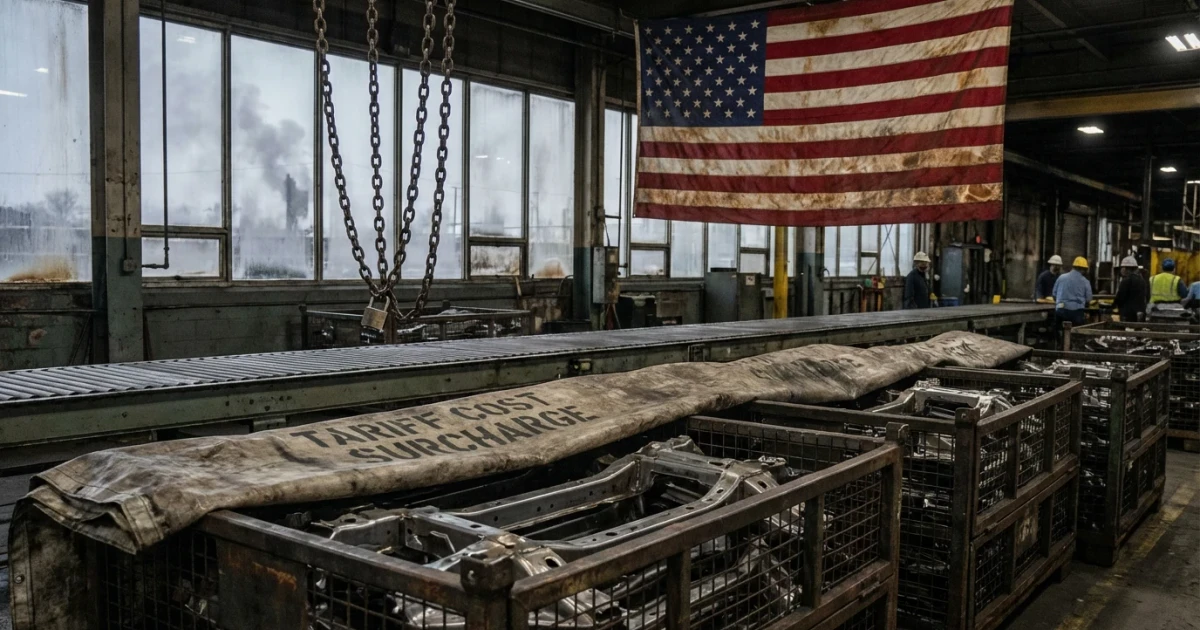
U.S. manufacturers are feeling the squeeze from tariffs enacted under former President Donald Trump, with mounting evidence that these measures are adding costs and creating headwinds rather than providing the intended boost to domestic industry.
The Impact of Tariffs on Manufacturing Costs
Recent reporting from AP News highlights the substantial toll that tariffs have taken on American manufacturers, particularly in sectors such as automotive, where the total cost since 2025 has reached at least $35 billion. These expenses have largely stemmed from tariffs imposed on imported parts and raw materials, including steel and aluminum, which are critical inputs for a wide range of manufactured goods.
Data from the U.S. Census Bureau shows that while tariffs were designed to reduce the U.S. trade deficit in goods and services, the overall trade gap has remained stubbornly high, with manufacturers bearing much of the cost burden through higher prices for inputs.
Automakers Face Steep Challenges
The automotive industry has been among the hardest hit, with companies reporting billions in added expenses due to tariffs on essential components. According to figures cited by Automotive News and AP News, automakers have incurred at least $35 billion in tariff-related costs since 2025. These additional expenses have impacted profit margins, led to higher vehicle prices for consumers, and, in some cases, forced companies to delay or reconsider planned investments in U.S. manufacturing facilities.
Manufacturers have also reported difficulty passing on the full extent of these costs to consumers, resulting in reduced competitiveness both domestically and in export markets. The Producer Price Index (PPI) from the Bureau of Labor Statistics reflects these rising input costs, with manufacturing industries experiencing notable price increases in recent months.
Intended Goals Versus Real-World Outcomes
Trump-era tariffs were initially implemented with the goal of revitalizing American manufacturing by making imported goods more expensive and encouraging domestic production. However, a growing body of evidence, including analysis from the Brookings Institution, suggests that the actual impact has been more complex. Instead of spurring a manufacturing boom, many companies have faced higher costs and supply chain disruptions.
The Brookings Institution’s analysis notes that while some sectors have seen modest gains in domestic production, these have often been offset by losses in other areas, as higher input costs ripple through the economy. The U.S. Government Accountability Office also points to mixed results, with some manufacturers benefiting from reduced foreign competition but most shouldering the burden of increased expenses.
Manufacturing Output and Capacity Trends
Federal Reserve data on industrial production and capacity utilization reveals that overall U.S. manufacturing output has plateaued, with some industries experiencing declines in the wake of tariff-related cost increases. Meanwhile, the National Association of Manufacturers reports that the sector continues to employ millions, but growth has slowed compared to pre-tariff years. For a breakdown of how specific manufacturing sub-sectors have fared, readers can explore the detailed tables at Facts About Manufacturing.
- Automakers have paid at least $35 billion in additional costs since 2025 due to tariffs
- Tariffs on steel, aluminum, and parts have raised input costs across manufacturing sectors
- U.S. trade deficit in goods remains high despite tariff measures
- Manufacturing growth has slowed, with some companies delaying investments
Looking Ahead
As the debate over U.S. trade policy continues, manufacturers are calling for greater predictability and relief from tariff-driven cost pressures. The long-term effects of these policies remain under scrutiny, with policymakers weighing the balance between protecting American industries and ensuring their global competitiveness. For those interested in the specifics of tariff rates and affected product lines, the USITC DataWeb offers detailed, up-to-date information.
Ultimately, the experience of the past year underscores the complexities of trade policy—and the challenges of designing measures that support manufacturers without imposing new burdens.