World
Trump’s Threat of 100% Tariffs on Canadian Goods Sends Shockwaves Through Trade Talks
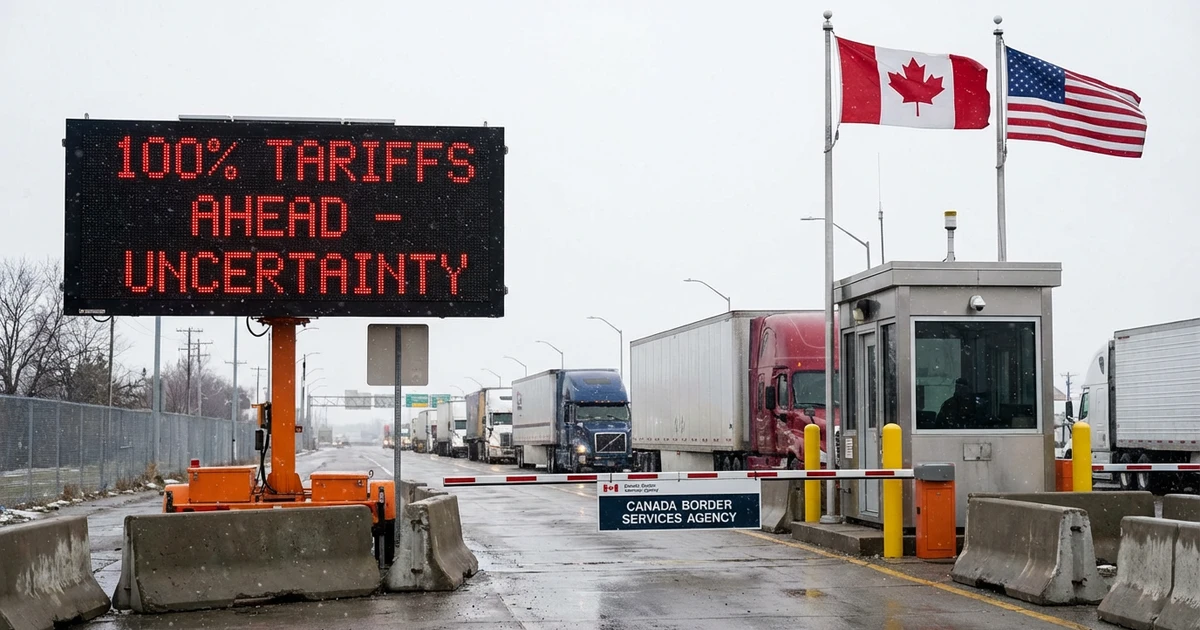
Former President Donald Trump has ignited international alarm by threatening to impose 100 percent tariffs on Canadian goods, a move prompted by trade agreements between Canada and China. This dramatic escalation marks a new chapter in ongoing tensions over North American trade and China’s growing economic influence.
Tariff Threats Fuel Trade Uncertainty
Recent statements from Trump, as reported by The Washington Post, signal a willingness to employ aggressive economic measures against Canada. The threatened tariffs would double the price of Canadian goods entering the United States, potentially disrupting supply chains and increasing costs for American consumers and businesses reliant on Canadian imports.
- The United States imported over $360 billion in goods from Canada in recent years, making Canada one of its top trading partners.
- Key Canadian exports to the U.S. include automobiles, lumber, oil, and agricultural products.
Canada-China Trade: The Catalyst
The warning comes in response to a new or pending trade deal between Canada and China. While details of the agreement are still emerging, Trump has framed the issue as one of economic security, expressing concern that Canadian cooperation with China could undermine American interests and open the U.S. market to Chinese goods through the back door.
Potential Economic Impact
Experts warn that the imposition of such sweeping tariffs could seriously damage the longstanding economic partnership between the U.S. and Canada. By targeting all Canadian imports, the tariffs would reverberate across multiple industries, from manufacturing to agriculture, and could trigger retaliatory action from Canada. Past trade disputes—such as the steel and aluminum tariffs during Trump’s presidency—have already demonstrated the risks of escalation, which can lead to higher prices and strained diplomatic relations.
Geopolitical Ramifications
The threat also highlights the complexity of U.S.-China relations, with Canada caught in the crossfire. As global supply chains are increasingly interconnected, unilateral tariff actions can have ripple effects well beyond North America, potentially impacting global markets and trade alliances. The move is seen as part of a broader strategy to counter China’s economic rise and assert U.S. leverage over its neighbors.
What Comes Next?
With Trump’s threat making international headlines, attention now turns to official responses from the Canadian government and any possible countermeasures. Trade officials on both sides of the border are likely to engage in high-level talks to de-escalate the situation and protect their respective economies. Meanwhile, businesses and consumers remain braced for possible disruptions, watching closely for any shifts in trade policy or further announcements.
The outcome of this standoff could shape the future of North American trade and set precedents for how the United States responds to its allies’ economic relations with China. For further developments and in-depth analysis, readers can monitor The Washington Post and other leading outlets.