World
Trump’s trade and NATO rifts expose America’s costly ties
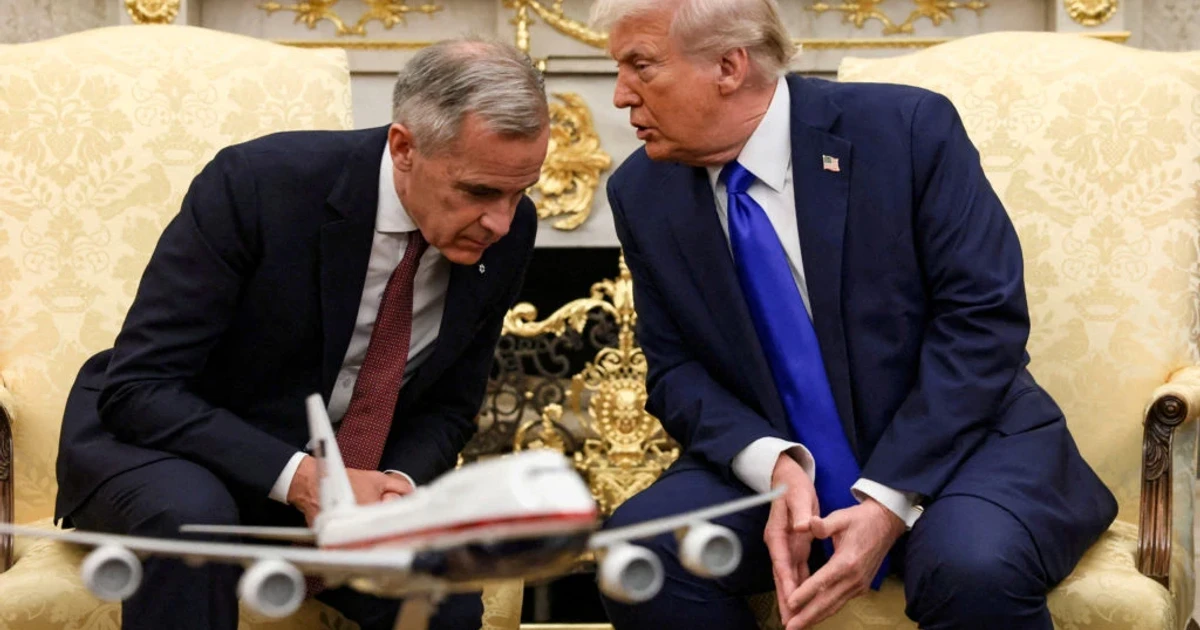
America’s biggest alliance fights are no longer confined to conference rooms. U.S. goods trade with Canada reached an estimated $719.5 billion in 2025, while total services trade with Canada totaled an estimated $147.3 billion in 2024, making the relationship large enough that any rupture can move prices, deliveries, and jobs. At the same time, NATO tensions are spilling into security planning and trade, with Trump’s threat to cut ties with Spain showing how fast diplomatic friction can become economic disruption.
Canada trade: the fastest way frictions reach households
Canada remains one of the United States’ largest trading partners, and the scale of that commerce is the reason supply chains react so quickly when relations cool. The U.S. Trade Representative puts the 2025 U.S. goods trade deficit with Canada at $46.4 billion, a reminder that the relationship is not only large but deeply imbalanced in some sectors. The U.S. Census Bureau’s international trade releases, together with the December 2024 goods and services deficit of $98.4 billion from Census and the Bureau of Economic Analysis, show how central cross-border trade remains to the U.S. economy.
The important point for Americans is not just the headline number, but what it represents on the ground. When the United States and Canada exchange hundreds of billions of dollars in goods and services, any policy shock can hit transportation costs, inventory planning, and the time it takes to move products across the border. That is where trade disputes stop being abstract and start showing up in retail prices, factory schedules, and service contracts.
NATO’s Ankara summit put the alliance’s bill on the table
NATO’s 32 members met in Ankara, Turkey, on July 7-8, 2026, in a two-day summit shaped by Donald Trump’s pressure on Europe to spend more on defense and by months of friction over the Iran war and Greenland. Allied leaders were expected to confront questions about political cohesion and alliance credibility, which have become harder to avoid as Washington’s posture shifts. The location and timing mattered because the alliance was not debating a theoretical split, but a live reassessment of who pays for collective security.
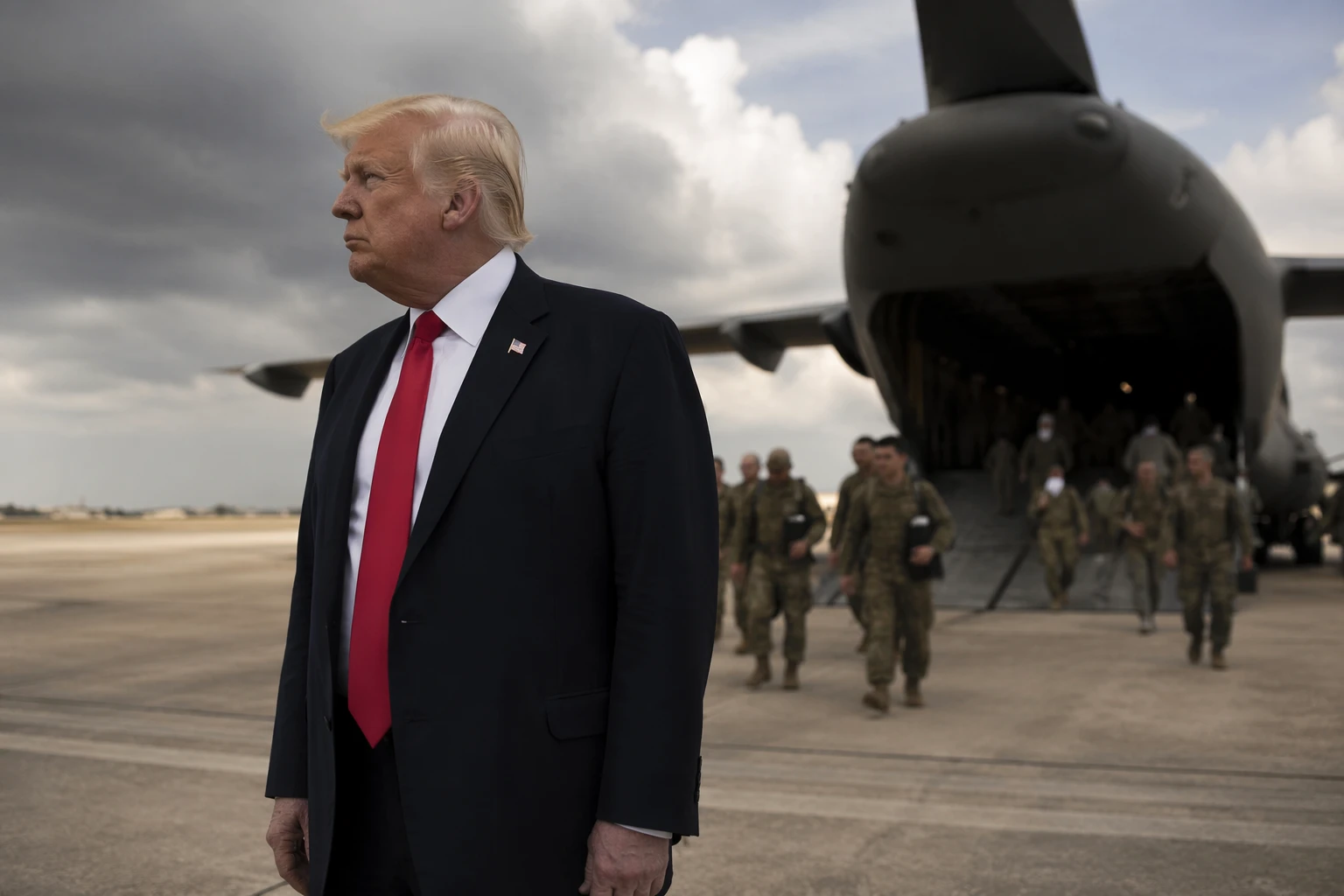
Mark Rutte said European NATO members and Canada spent $90 billion more on defense in 2025 than they did in 2024, bringing their total to more than $570 billion. That increase shows that allies are already moving money, and in some cases responsibility, away from the assumption that the United States will fill every gap. For American households, the direct link is security commitment: the more Europe and Canada are expected to carry on their own, the more Washington is pushed to reconsider the bases, deployments, and guarantees that have long underwritten U.S. influence.
The review of U.S. forces in Europe adds pressure to the system
Pete Hegseth announced a six-month review of U.S. forces and basing in Europe in June 2026, a move that put the future of American posture on the continent under formal scrutiny. Reuters reported that European allies had largely backfilled the gaps left by U.S. cutbacks in NATO crisis plans, which suggests that partners are already adjusting to a less certain American role. That adjustment is not cost-free for the United States, because it can alter deterrence, shift burdens onto allies, and force Washington to decide where it wants to spend defense dollars at home and abroad.
This is where trade and security start to look like the same story. If allies believe the United States is less dependable, they hedge by building more independent capacity, coordinating more closely with one another, and reducing exposure to American pressure. That can blunt Washington’s leverage, but it also means American firms, workers, and military planners face a more fragmented system than the one that existed when U.S. leadership was more predictable.
Trump’s Spain threat shows how quickly disputes turn commercial
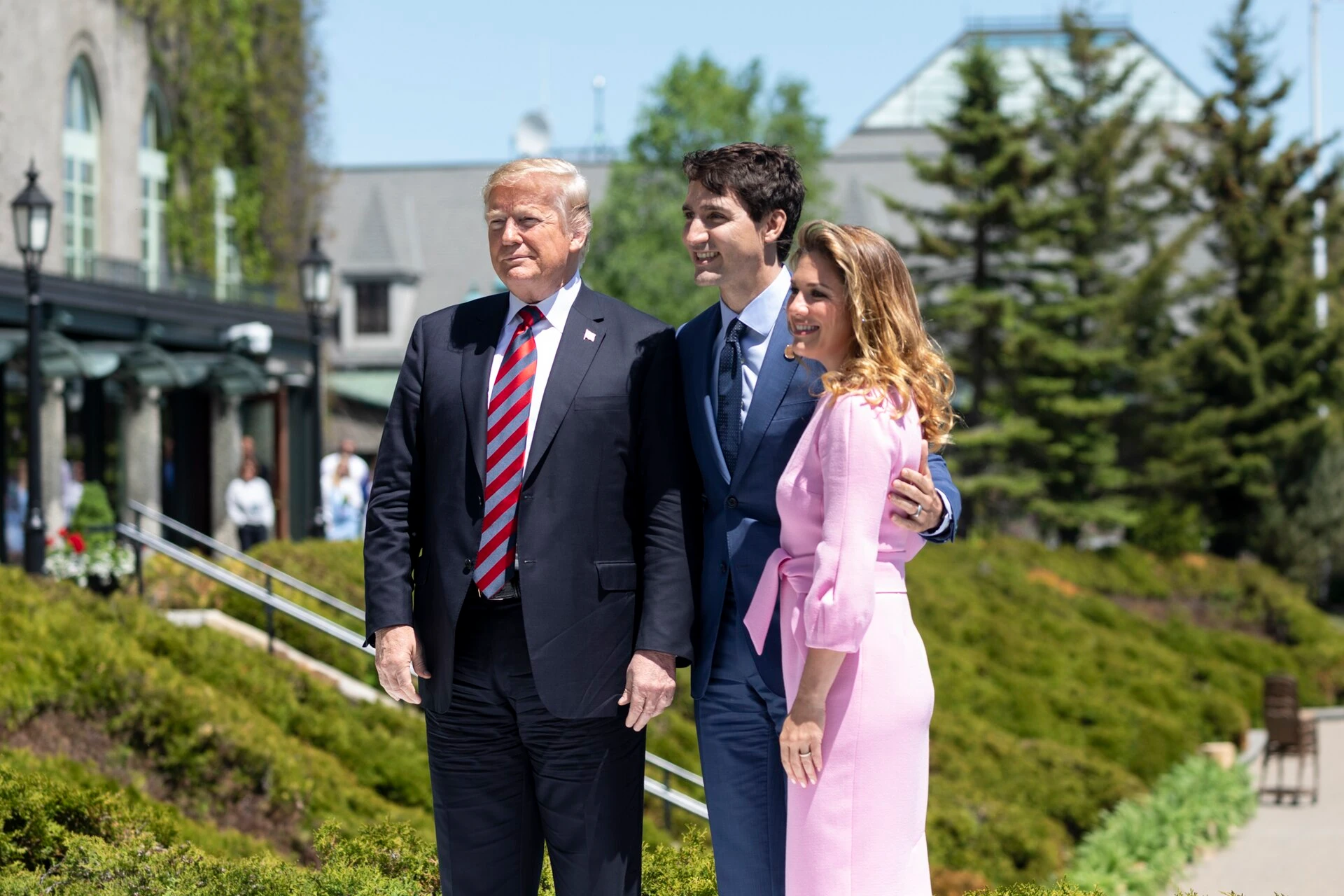
Trump said on July 8, 2026, that he had ordered the United States to cut all trade with Spain. The statement was the clearest sign yet that a dispute within the alliance can move directly into commerce, not just rhetoric. When a president treats trade as a tool of punishment against a NATO member, companies on both sides must account for policy risk, and consumers eventually absorb some of that uncertainty through costs and delays.
That threat also deepens the argument inside Europe about whether to decouple from the United States or stay closely tied to it. Europe is already divided over that choice, and analysts and diplomats warn that heavier U.S. pressure is pushing allies toward more self-reliance and tighter coordination with one another. The result is a feedback loop: the more Washington squeezes, the more partners try to insulate themselves from Washington.
A familiar American pattern, but with higher stakes
The historical backdrop matters because the United States has rarely practiced total withdrawal, even when it leaned inward. It kept trade ties and regional influence, especially across North America and the Western Hemisphere, because geography and economic reality made separation expensive. That same logic still applies now: the Canada trade relationship and NATO defense network are not symbolic extras, they are part of the infrastructure that supports U.S. prices, jobs, and security.
What makes the current rupture costly is not that allies matter in theory, but that the numbers are so large and the dependence so immediate. A $719.5 billion goods relationship with Canada, a $147.3 billion services channel, a NATO spending surge to more than $570 billion, and a six-month review of U.S. forces in Europe all point to the same conclusion: pressure may win headlines, but it also pushes allies to build walls, make backups, and charge Americans for the uncertainty.
Sources
- [1]nytimes.com
- [2]ustr.gov
- [3]census.gov
- [4]bea.gov
- [5]everycrsreport.com
- [6]cfr.org
- [7]apnews.com
- [8]usnews.com
- [9]thehill.com