Politics
Trump’s voter fraud claims aim to reshape who votes
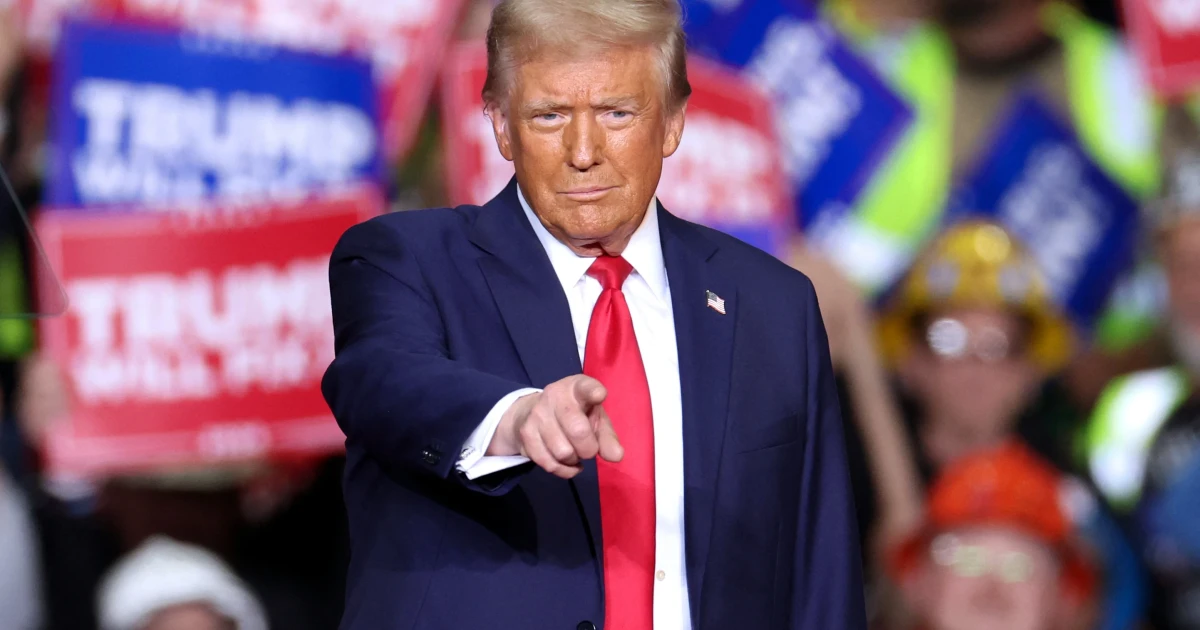
Donald Trump’s voter fraud claims have never been only about proving fraud. They have worked as a political instrument: questioning results, pressuring states, and justifying tighter rules over who can vote and how ballots are counted. Federal and nonpartisan reviews of the 2020 election found no evidence of fraud large enough to change the outcome, and the documented rate of voter impersonation in studied elections was tiny.
What the evidence says about the 2020 election
The security record around the 2020 presidential vote was not a matter of partisan interpretation alone. In November 2020, the Cybersecurity and Infrastructure Security Agency and its election-security partners said the election "was the most secure in American history." A separate joint statement from election infrastructure officials added that the states with close results in the presidential race had paper records of each vote, a basic safeguard that makes recounts and audits possible.
The Justice Department reached the same bottom line. On December 1, 2020, William Barr said the department had found no evidence of widespread voter fraud that would change the result. Barr later repeated to the Associated Press that the department had found no evidence of widespread fraud in the November general election. Those statements did not end the political fight, but they did establish a crucial factual boundary: the claims of a stolen election were not supported by the federal evidence then in hand.
How suspicion became a political project
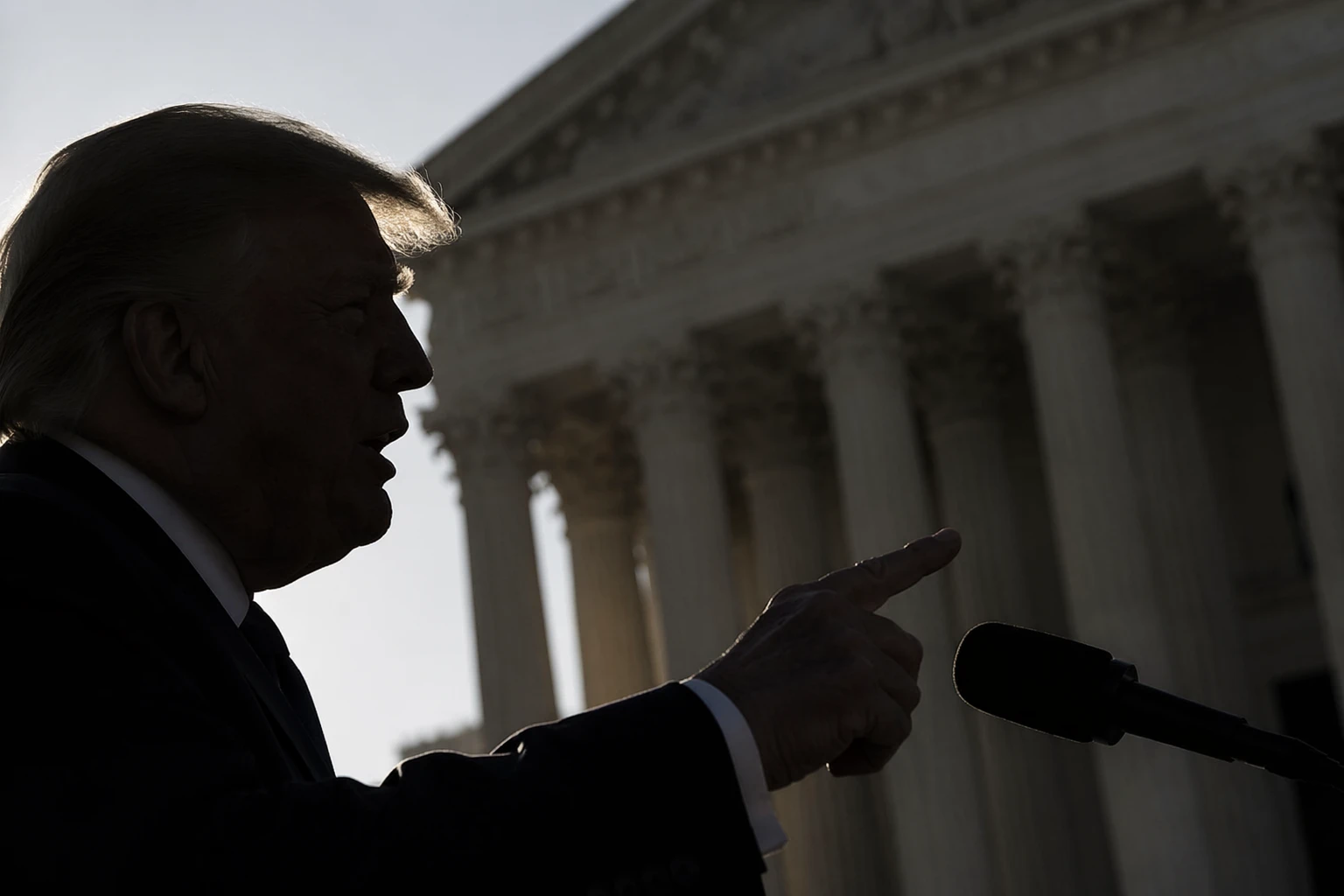
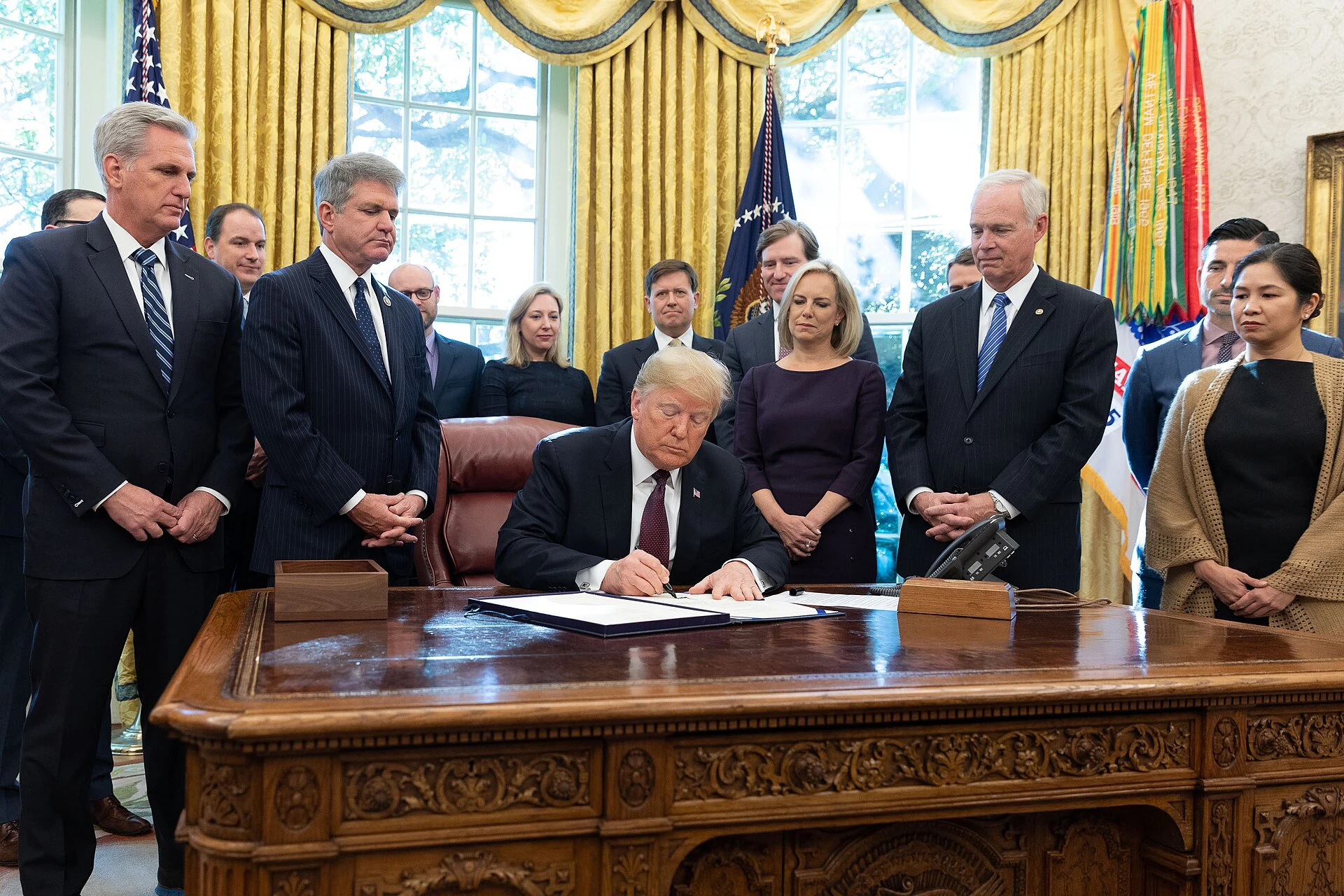
Trump’s first major attempt to formalize those suspicions came early in his presidency. On May 11, 2017, he signed an executive order creating the Presidential Advisory Commission on Election Integrity. Mike Pence chaired the commission and Kris Kobach served as vice chair, giving the panel high-level political weight from the start.
The commission quickly became a flashpoint when it asked states for detailed voter data, as permitted under state laws. Many states resisted, privacy advocates warned that the request could enable voter suppression, and the commission became entangled in repeated backlash and lawsuits. Trump disbanded the commission on January 3, 2018, but the larger tactic survived the panel itself: treat voter fraud allegations not as a narrow law-enforcement matter, but as a way to reshape election administration.
That shift matters because the language of fraud does real institutional work. It changes the debate from whether a single offense occurred to whether whole categories of voters should face new barriers, more scrutiny, or different rules for registration, ballot counting, and enforcement. In that sense, the claim is less about one illegal act than about deciding how much trust ordinary voters, local officials, and election systems deserve.
Why the fraud numbers matter

The scale of actual impersonation fraud is far smaller than the rhetoric suggests. Research summarized by the Brennan Center for Justice found that allegations of voter fraud are usually baseless or traceable to clerical errors and other non-fraud problems. In the elections that were studied closely, impersonation-fraud rates ranged from 0.0003 percent to 0.0025 percent.
Those figures do not mean election crime never happens. They do mean the common public image of fraud, broad enough to overwhelm an election outcome, is not supported by the evidence summarized in the research. The Brennan Center’s conclusion is especially important because it reflects more than one study, including work commissioned by the Trump administration itself, which reached the same general result about the rarity of systemic fraud.
The gap between rhetoric and reality is where policy often shifts. When officials and candidates keep invoking fraud despite the absence of evidence at scale, the practical effect is to create pressure for tougher voter-ID rules, more aggressive registration challenges, stricter ballot handling requirements, and heightened skepticism toward mail voting and tabulation. The central question stops being whether the system can catch actual wrongdoing and becomes whether the system should presume more voters are suspect.
What real election crime looks like
The Justice Department’s election-crimes office draws a line that political rhetoric often blurs. It distinguishes actual offenses such as vote buying, absentee-ballot fraud, scam fundraising, and voting-rights violations from broad allegations of systemic fraud. That distinction is not semantic. It separates targeted enforcement, which can protect elections, from sweeping claims that can be used to justify restrictions affecting millions of eligible voters.
This is where the policy implications become clearest. Real election crime exists, but it is narrow, specific, and usually local. Claims of pervasive fraud, by contrast, are broad enough to be used as a rationale for changing who gets to vote, how ballots are counted, and how aggressively election rules are enforced. The result is a constant risk that fraud talk becomes a tool for narrowing participation rather than protecting it.
Trump’s record shows how that tool is deployed. First comes the assertion that fraud is widespread, then the demand for more data, stricter controls, and harsher enforcement, and then the broader effort to recast election administration as a partisan battleground. The evidence from federal officials, election-security experts, and election-law research points in the other direction: American elections are administered by systems that do find mistakes and crimes, but not at a scale that justifies turning suspicion into a substitute for proof.
Sources
- [1]nytimes.com
- [2]nass.org
- [3]ap.org
- [4]whitehouse.gov
- [5]trumpwhitehouse.archives.gov
- [6]brennancenter.org
- [7]justice.gov
- [8]politico.com