World
Trump's warming with Xi sparks anxiety as U.S.-China ties shift
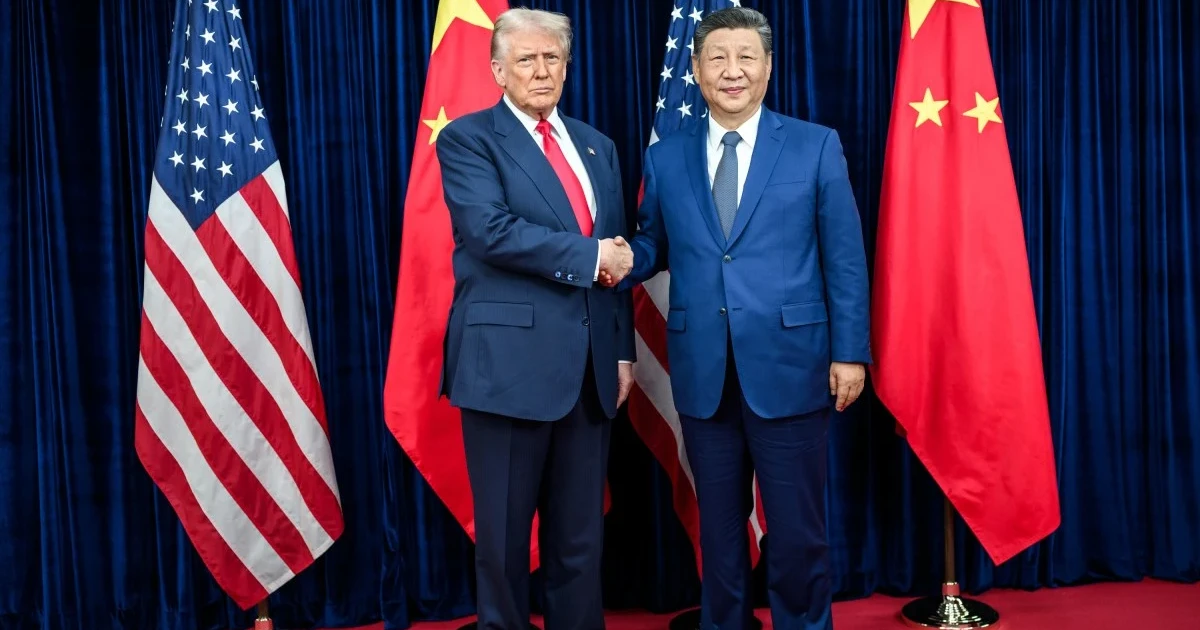
Donald Trump’s turn toward Xi Jinping has scrambled the assumptions that hardened during 2025, when U.S.-China ties lurched through trade-war clashes and repeated Taiwan flashpoints. After late-2025 trade and economic agreements steadied the relationship somewhat, Trump and Xi have moved into a far less confrontational posture that is alarming officials in Washington and unsettling allies across Asia.
The shift is visible in the White House’s own language. After the summit, the White House said Trump and Xi agreed the two countries should build a relationship of “constructive strategic stability” based on fairness and reciprocity. It also said Trump would welcome Xi for a visit to Washington in the fall of 2026, while Xi accepted an invitation to visit Beijing in early 2026. The same readout said China approved an initial purchase of 200 American-made Boeing aircraft, its first commitment to buy Boeing jets since 2017, and agreed to buy at least $17 billion a year of U.S. agricultural products in 2026, 2027 and 2028.
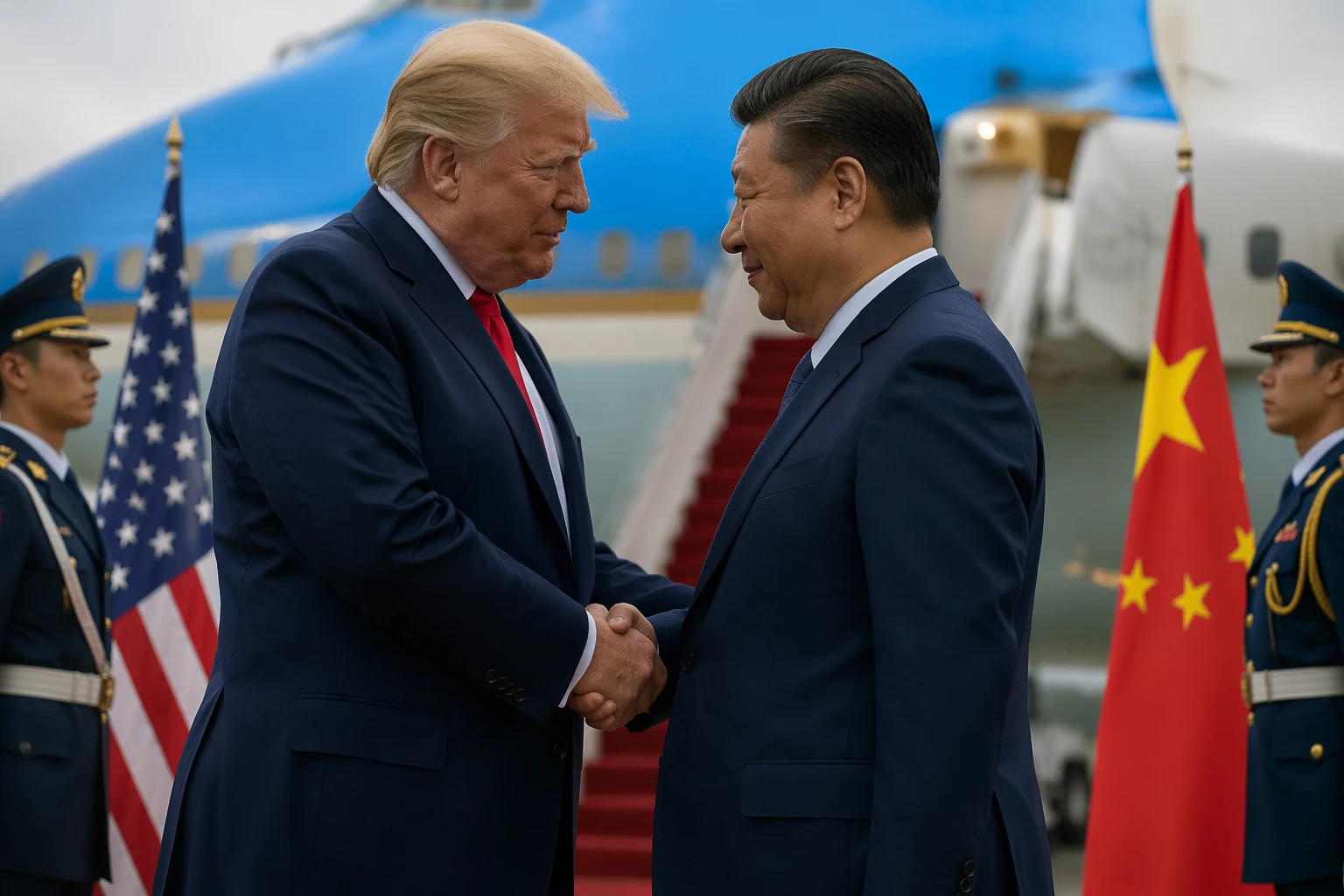
That new tone followed a year of strain. CSIS said the relationship was tumultuous in 2025, with tensions spiking over tariffs and Taiwan. In a December 1-18, 2025 survey of 79 experts, only 26% said relations were more stable than a year earlier, while 57% said they were not. Ahead of the summit, CSIS analysts said U.S. negotiators were expected to press Beijing on fentanyl precursors, rare earth exports, soybeans and consular issues, underscoring how the two sides remained locked in narrow bargaining rather than a broad strategic reset.
Taiwan was the sharpest fault line. A Taiwan-focused analysis said Trump was willing to discuss U.S. arms sales to Taiwan with Xi, a notable break from longstanding U.S. practice under the 1982 Six Assurances, which say Washington has not agreed to consult with Beijing on arms sales to Taiwan. The same analysis said the Taiwan Affairs Office publicly reiterated its firm opposition to U.S. military ties with Taiwan, a reminder that any loosening in the relationship can quickly collide with Beijing’s red lines.
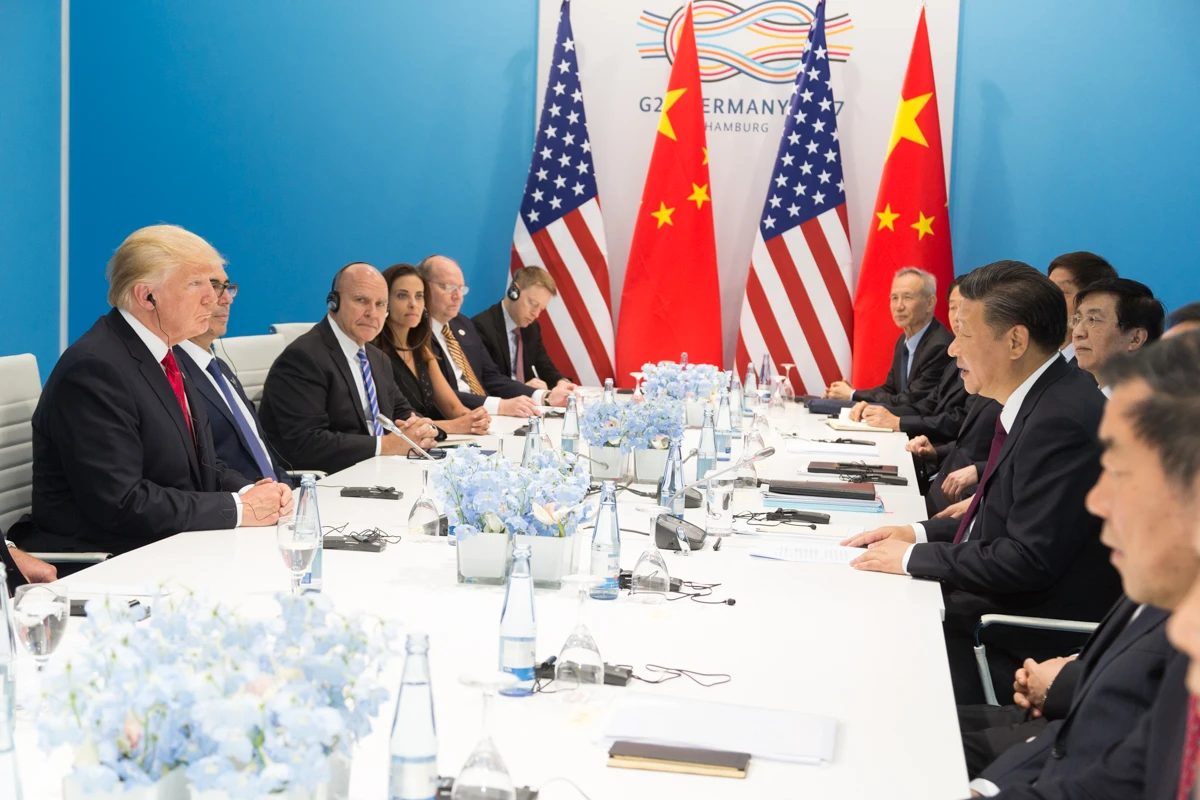
The practical consequences now reach well beyond Washington. The summit was delayed in March after U.S. and Israeli strikes on Iran, then rescheduled for May 14-15, 2026. Even after the dealmaking, observers in Southeast Asia and South Asia said they saw only modest stability, not a grand bargain, and warned that the region remained exposed to trade diversion, energy insecurity and the possibility that big-power decisions were being made over their heads. With Trump and Xi now talking less like adversaries and more like co-equals, U.S. allies are left to judge whether the new calm strengthens deterrence or simply lowers the cost of pressure.
Sources
- [1]nytimes.com
- [2]whitehouse.gov
- [3]csis.org
- [4]chinapower.csis.org
- [5]cfr.org
- [6]globaltaiwan.org