Politics
Trump’s White House ballroom plan sparks outrage over East Wing demolition
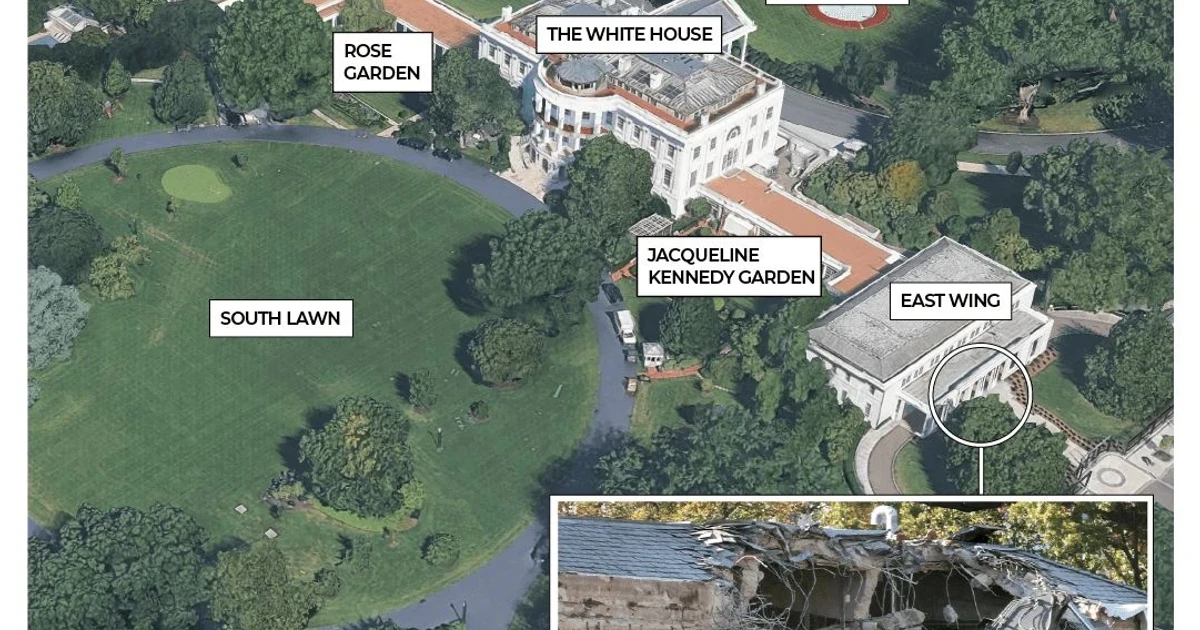
At 1600 Pennsylvania Avenue, Donald Trump’s ballroom project has become more than a construction job. The plan to tear down the East Wing and replace it with a new ballroom has drawn fury from historians and preservation groups, while the White House says the project is the most economical way to deal with a building it describes as badly compromised.
The White House announced the ballroom in July 2025, saying it would be built on the East Wing site. That wing was originally constructed in 1902 and later heavily modified, including a second story added in 1942, but the demolition still struck critics as an unusually blunt act of presidential image-making at the nation’s most visible residence.
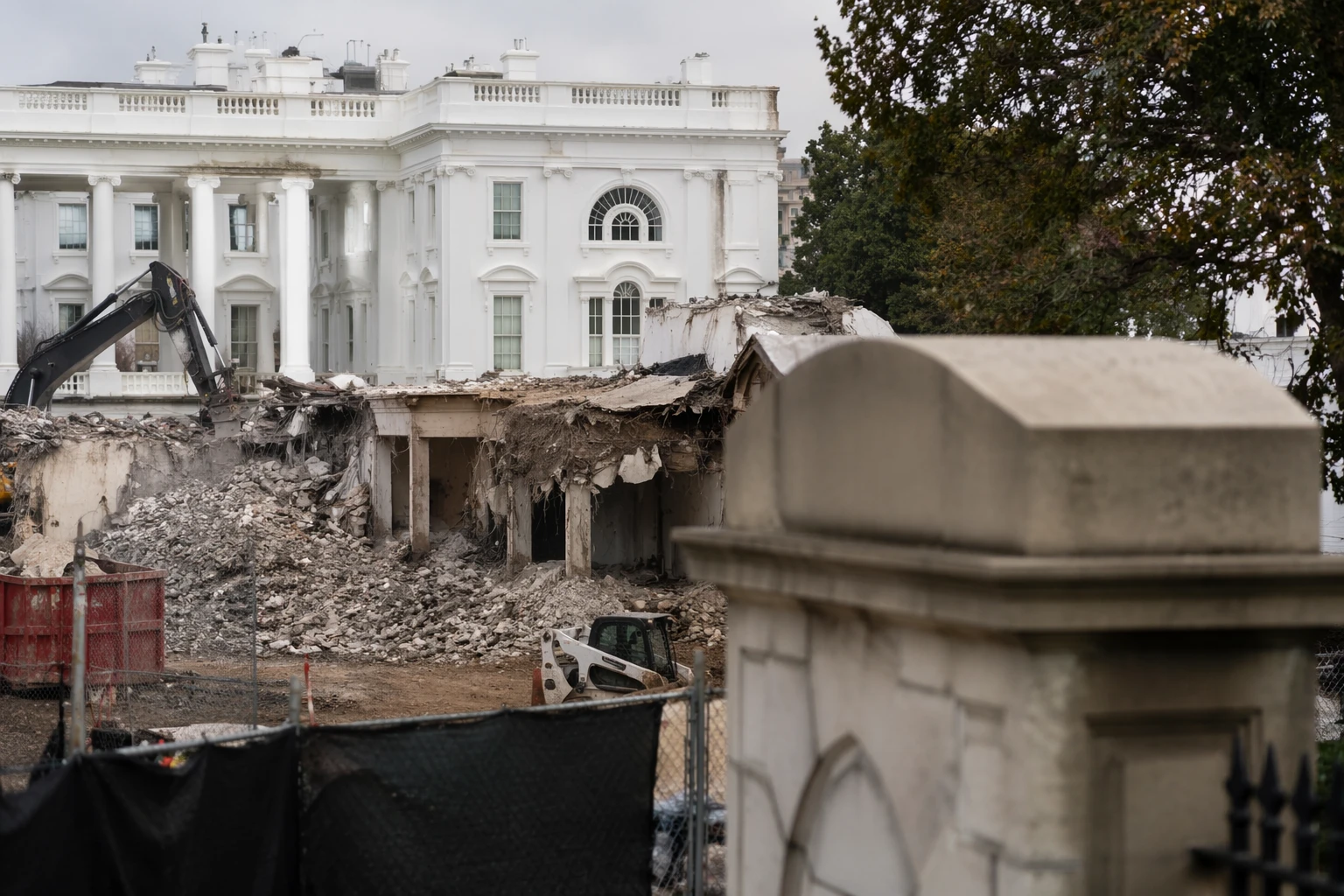
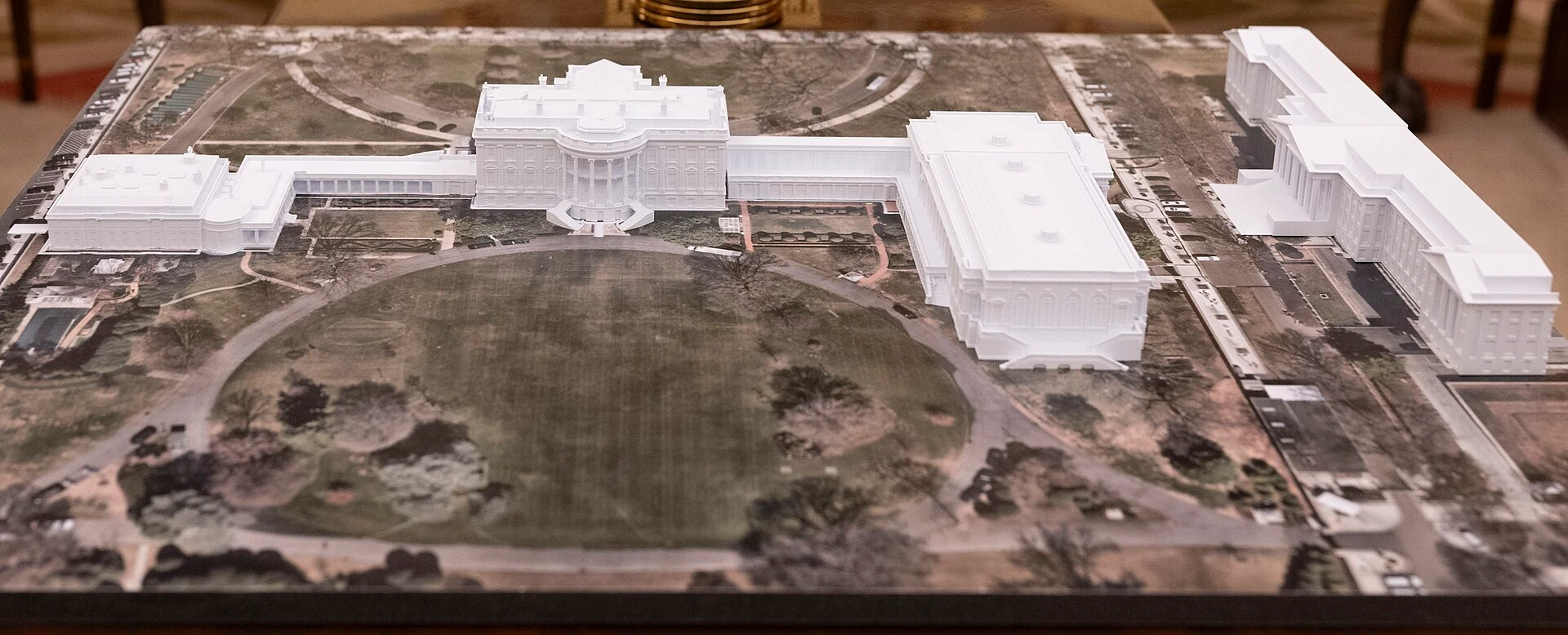
Administration officials have said the ballroom will stand apart from the main residence while mirroring its architectural theme and heritage. They have also defended the demolition by pointing to structural instability, water leakage and mold contamination, arguing that reconstruction made more sense than renovation. The numbers have only sharpened the political edge of the project: reporting has put the cost at about $400 million, with roughly $300 million coming from private donations from businesses and individuals.
By October 2025, critics, historians and preservation groups were already condemning the East Wing demolition as a symbolic loss as much as an architectural one. The backlash framed the project as a window into Trump’s governing style, where spectacle, scale and visual dominance often matter as much as function. In March 2026, Trump unveiled updated renderings and again defended the ballroom, even as the legal and political pressure mounted.
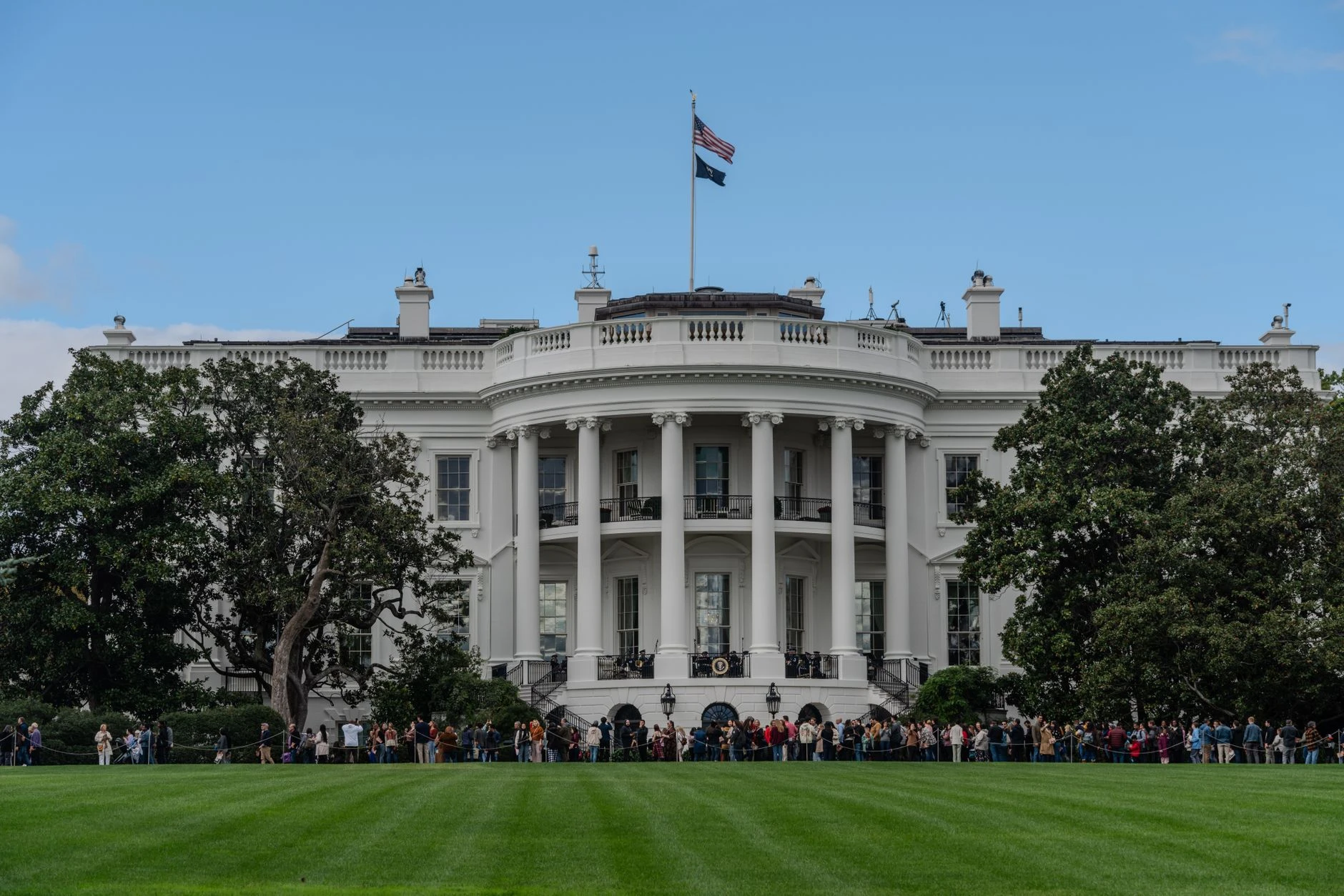
That pressure spilled into court, where Judge Richard Leon appeared skeptical when preservationists sought to stop the project. The ballroom fight unfolded alongside other second-term controversies and legal battles, reinforcing the sense that Trump’s White House was treating construction itself as a form of political theater, complete with donors, renderings and a public relations campaign built around grandeur.
The title’s swamp imagery carries an older cultural echo as well. Detective Comics #252, cover-dated February 1958, featured Batman and Robin in “The Creature from the Green Lagoon,” a story in which the monster turned out to be a robot controlled by one of the film producers. That twist fits the mood around the White House project: a polished facade, a hidden machine, and a battle over who gets to define what stands at the center of power.
Sources
- [1]nytimes.com
- [2]whitehouse.gov
- [3]thehill.com
- [4]thesheffieldpress.com
- [5]dc.fandom.com