Technology
TSMC pledges $100 billion more for Arizona chip expansion
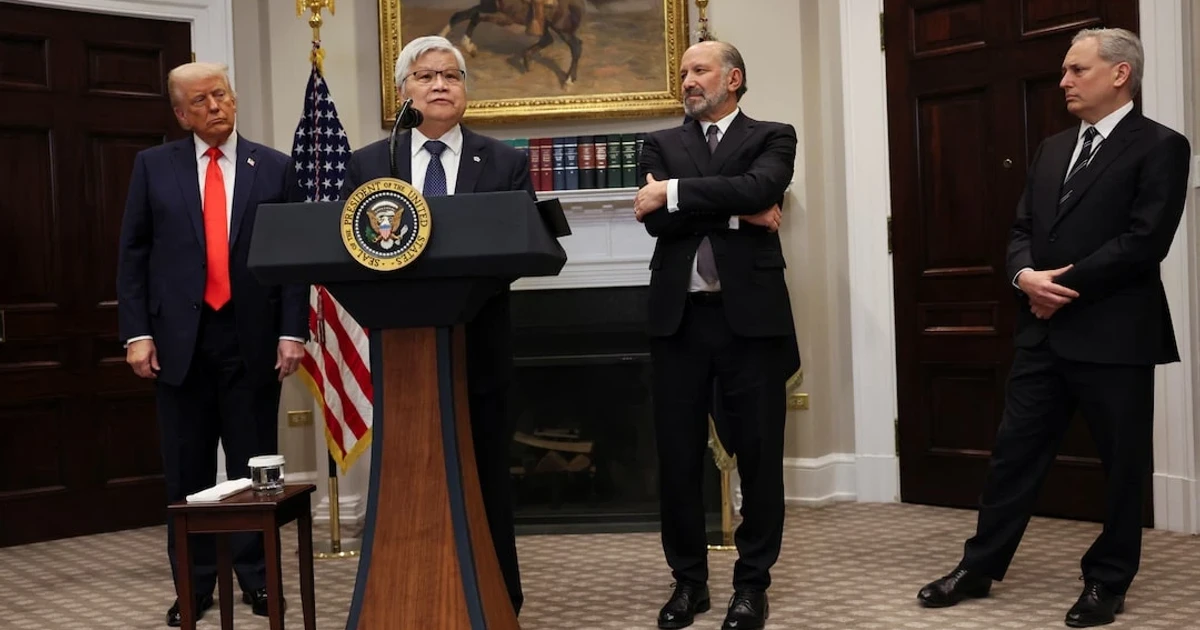
TSMC’s pledge to add at least $100 billion to its Arizona buildout lifted its planned U.S. investment to about $165 billion, turning the Phoenix-area project into a direct test of whether Washington’s semiconductor subsidies can deliver real industrial capacity. The expansion added three more chip fabs, two advanced packaging facilities and a major research and development center to a site where the first plant had already started producing 4-nanometer chips.
President Donald J. Trump joined TSMC chief executive C.C. Wei for the March 3, 2025 announcement, and the White House called it the largest foreign direct investment in U.S. history. Arizona officials said the expansion would create thousands of jobs and deepen the state’s role in advanced manufacturing, with Governor Katie Hobbs and Phoenix Mayor Kate Gallego both welcoming the commitment. Gallego called it “doubling down” on Arizona investment and “a major win” for American workers and the metro area.
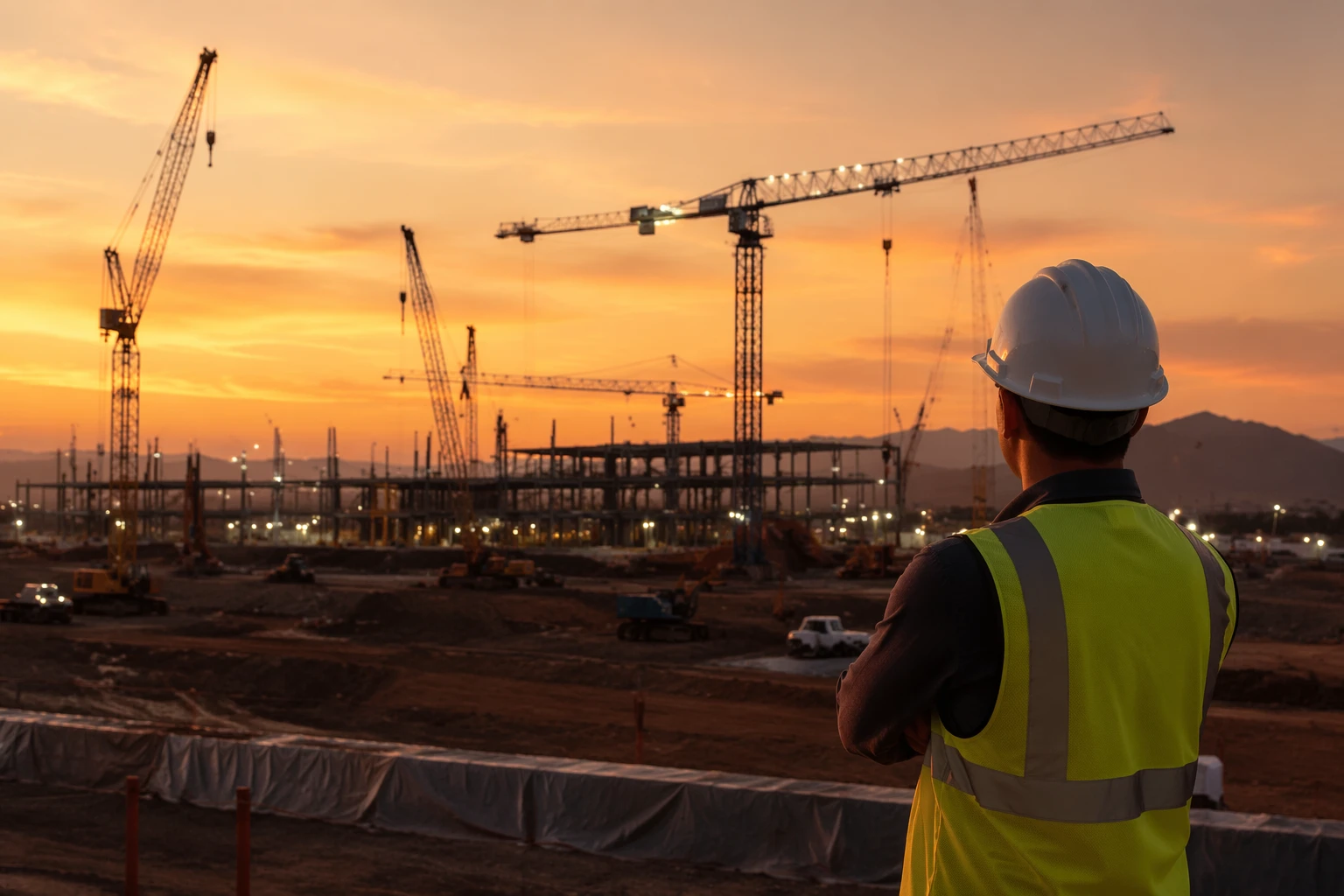
The announcement mattered because the Arizona site was no longer just a promise on paper. TSMC’s first fab began producing advanced 4-nanometer chips in January 2025, and in April 2025 the company broke ground on the third fab, which it said would use N2 and A16 process technologies and reach volume production by the end of the decade. Those milestones gave the expansion a construction timeline, a technology roadmap and a measure of whether domestic capacity could move beyond pilot production.
TSMC said U.S. capacity was already heavily booked, with demand stretching through at least 2027, as customers pushed for more chips made inside the United States. That demand strengthened the company’s case that the Arizona buildout was not a symbolic gesture but a response to supply-chain pressure, especially as U.S. policymakers spent years trying to reduce reliance on Taiwan-based production and bolster critical semiconductor supply lines with loans and subsidies tied to the CHIPS-era push.
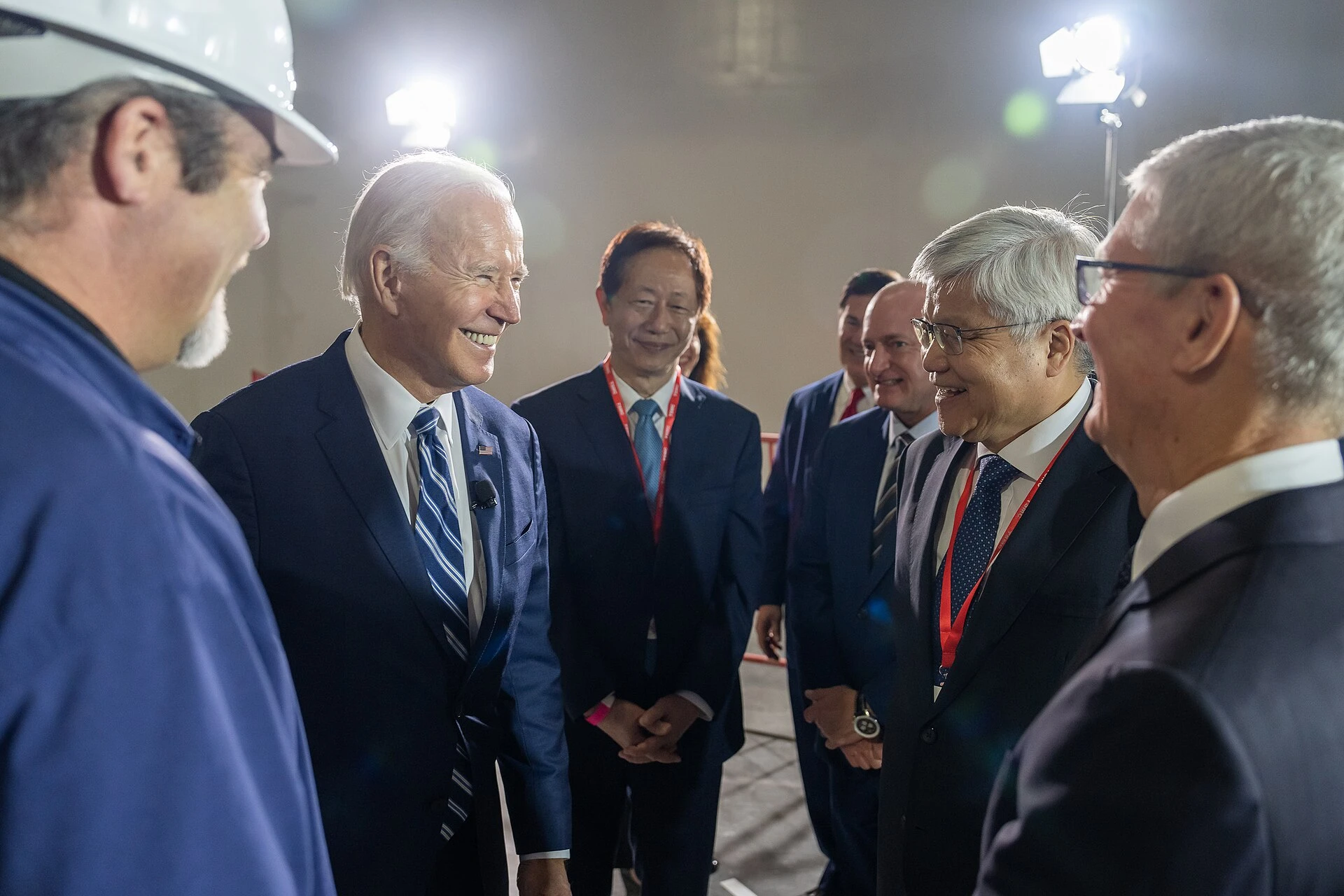
The political question now was whether public support was producing measurable returns in jobs, construction and domestic output. The third fab was slated for N2 and A16 process technologies, with volume production targeted by the end of the decade.
Sources
- [1]nytimes.com
- [2]pr.tsmc.com
- [3]whitehouse.gov
- [4]azcommerce.com
- [5]tsmc.com
- [6]azcentral.com
- [7]cfr.org