Business
TSMC warns AI chip demand will outstrip supply for years
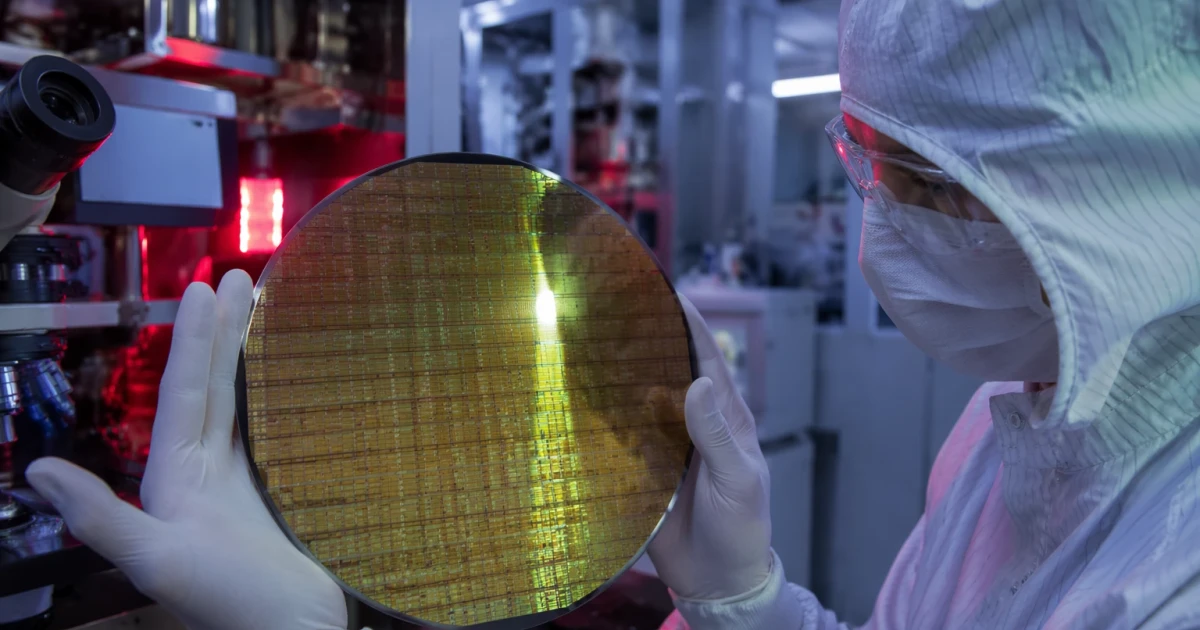
Even a modest price increase at TSMC could ripple through smartphones, cars, AI servers and cloud bills, because the chipmaker sits at the center of the global semiconductor supply chain. C.C. Wei said the world’s largest contract chipmaker was still trying to keep up with the AI boom, but supply would fall short of AI-fueled demand for years.
Wei made the comments at TSMC’s annual shareholders’ meeting in Hsinchu, Taiwan, held at 9:00 a.m. on June 4 at the Sheraton Hsinchu Hotel. He said TSMC aimed to avoid becoming a bottleneck in the AI supply chain, but also made clear that customers have limited leverage when capacity is tight and the company controls so much of the advanced-chip market.
Asked whether TSMC could raise prices, Wei said he would “like” to do that, while stressing that the company would not copy the abrupt price hikes seen in the memory-chip industry. He said TSMC wants long-term, stable operations and is monitoring rising component costs. Wei also said rapid AI growth has left many suppliers and upstream vendors struggling to keep up, a reminder that pressure inside the chip supply chain is already spreading beyond TSMC’s own factories.
The company paired that warning with a strong financial picture. TSMC said it delivered a record year in 2025. Its stock climbed from NT$950 at the June 3, 2025 shareholders’ meeting to NT$2,425 on June 3, 2026, and cash dividends rose more than 30 percent. That performance reflects how deeply investors believe AI demand can keep driving advanced-chip sales, even as supply stays tight.
The geopolitical stakes are just as large as the commercial ones. TSMC is expanding production capacity in Taiwan, the United States, Japan and Germany, part of a push to diversify manufacturing as technology rivalry between Washington and Beijing intensifies. Wei said American demand could not be fully met in the near term. Advanced 3-nanometer chips may face price increases later in 2026, a sign that higher input costs and scarce capacity could eventually filter into the prices consumers pay for electronics and the budgets companies devote to AI infrastructure.
Sources
- [1]bbc.com
- [2]bbc.co.uk
- [3]investor.tsmc.com
- [4]msn.com
- [5]money.usnews.com
- [6]bloomberg.com
- [7]focustaiwan.tw