World
Tsunami Warning Lifted After Major Earthquake Strikes Indonesia
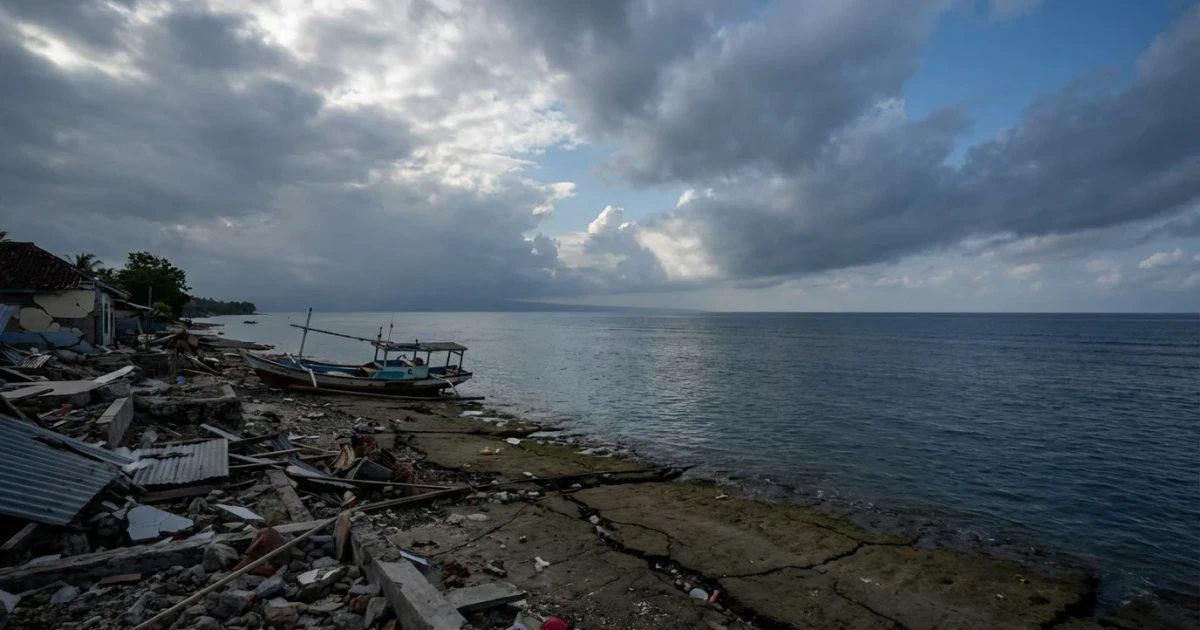
Indonesia was rocked by a 7.4-magnitude earthquake on Tuesday, prompting a tsunami warning and reports of casualties and structural damage before officials confirmed the immediate threat had passed.
Powerful Quake Rattles Kepulauan Talaud
The earthquake struck Kepulauan Talaud, a remote island region in northern Indonesia, in the early hours of Tuesday local time. According to the US Geological Survey (USGS), the quake registered a magnitude of 7.4, making it one of the stronger seismic events in the region this year. Shaking was felt across the islands, with residents reporting strong tremors that sent many fleeing their homes.
- The Indonesian Meteorology, Climatology, and Geophysical Agency (BMKG) confirmed the earthquake’s epicenter was offshore, at a depth that often raises concern for tsunami generation.
- Initial tsunami warnings were issued for nearby coastal communities, leading to evacuations and heightened alertness throughout the region.
Tsunami Warning and Immediate Aftermath
Authorities quickly responded to the quake by issuing a tsunami warning, as is standard protocol in a region with a history of devastating tsunamis. According to BBC reports, the warning was lifted within hours after no significant tsunami waves were detected.
While most residents were allowed to return home, the initial warning underscored the persistent danger posed by powerful undersea earthquakes in this part of the world. The Global Disaster Alert and Coordination System (GDACS) provided real-time updates, confirming that no widespread tsunami had materialized and that the alert level was lowered accordingly.
Casualties and Damage
Despite the absence of a tsunami, the quake caused significant local impact. According to BBC and corroborated by The Guardian, at least one person was killed, and several buildings sustained damage, particularly in areas closest to the epicenter. Emergency services responded to reports of collapsed structures and minor landslides, but authorities said the scale of destruction was limited compared to previous major quakes in Indonesia.
- Local hospitals treated a number of people for injuries related to falling debris and panic during the evacuation.
- Power outages and disruptions to communications were reported in several affected communities.
Indonesia’s Earthquake and Tsunami Risk
Indonesia sits atop the Pacific “Ring of Fire”, an area known for its intense seismic and volcanic activity. The country frequently experiences major earthquakes and is especially vulnerable to tsunamis triggered by undersea quakes. Past disasters, such as the 2004 Indian Ocean tsunami, have led to improved warning systems and disaster preparedness measures, but risks remain high.
Recent data from the NOAA Global Historical Tsunami Database shows that Indonesia has experienced dozens of significant tsunami events, many with tragic consequences for coastal populations.
Response and Ongoing Monitoring
Local and national authorities continue to assess the full extent of damage and monitor aftershocks, which are common following such a large quake. Humanitarian organizations and government agencies are coordinating relief efforts for those affected. According to ongoing situation reports on ReliefWeb, response teams have been deployed to survey remote villages and provide emergency assistance as needed.
Looking Ahead
While the immediate tsunami threat has subsided, the earthquake serves as a stark reminder of Indonesia’s ongoing vulnerability to seismic hazards. Continued investment in early warning systems, public awareness, and building resilience remains critical for the nation’s safety. Local authorities have urged residents to remain vigilant for aftershocks and to follow official guidance in the event of future emergencies.