Health
Tuberculosis Cases Rise in US After Decades of Decline
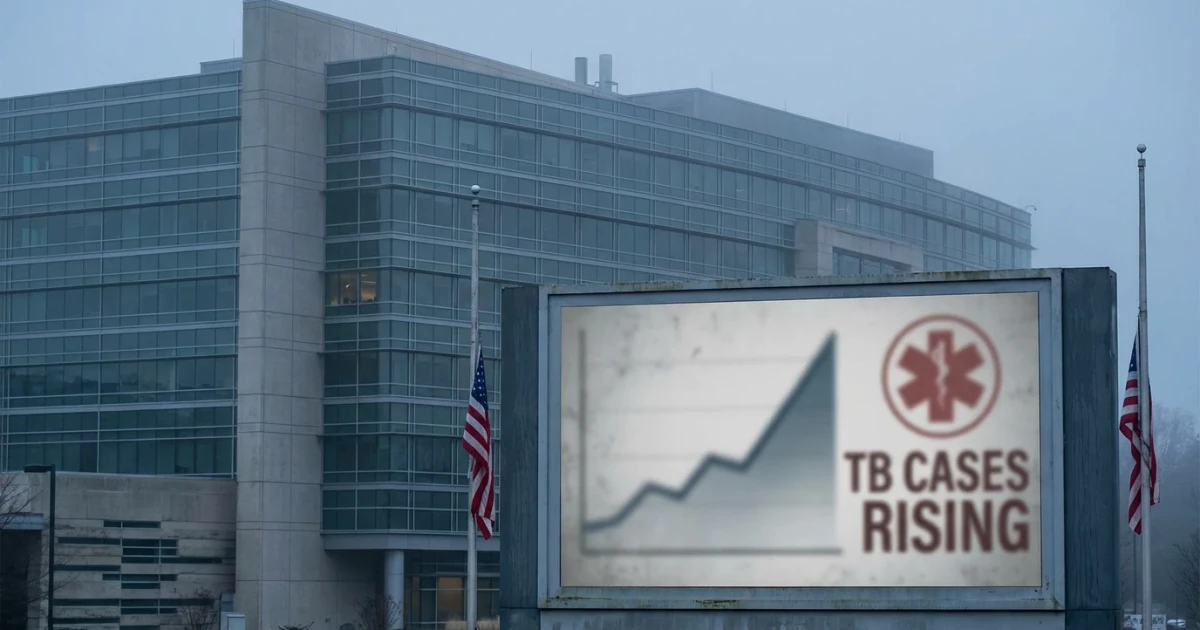
Tuberculosis (TB), long considered a disease of the past in many parts of the world, is making an alarming return in the United States. After years of steady progress and hopes for eradication, recent data and health experts have highlighted an uptick in cases, raising concerns among clinicians and public health authorities.
Resurgence of a Global Killer
Often called the world’s deadliest infectious disease, TB has historically caused more deaths than any other single infectious agent. While the United States made significant strides in reducing TB case numbers and incidence rates through rigorous public health campaigns, screening, and treatment programs, the tide appears to be turning. According to recent CDC trend data, the past few years have seen a concerning increase in reported TB cases, marking a reversal from the steady declines observed since the early 1990s.
Understanding Tuberculosis and Its Impact
Tuberculosis is caused by the bacterium Mycobacterium tuberculosis and primarily affects the lungs, though it can spread to other organs. It is transmitted through the air when people with active TB cough, sneeze, or speak. Symptoms include a persistent cough, chest pain, fatigue, weight loss, and night sweats, but many people with latent TB infection do not feel sick or show symptoms, making detection and prevention more challenging.
Why Is TB a Concern Now?
- Globally, TB remains the leading cause of death from a single infectious agent, surpassing even HIV/AIDS in annual mortality.
- In the United States, TB is considered a notifiable disease, and public health goals have long targeted its elimination. However, the recent rise in cases is eroding these achievements.
Recent Trends and Data
Before the COVID-19 pandemic, the US saw a steady decrease in TB cases, with case rates hitting historic lows in 2019. However, the years since have witnessed a significant rebound in new diagnoses. Health officials and researchers have pointed to several potential contributing factors:
- Disruptions to routine healthcare and TB screening during the pandemic, leading to delayed diagnosis and treatment.
- Increased vulnerability among certain populations, including people with weakened immune systems, the elderly, and those living in congregate settings.
- Resurgence of TB in communities with limited access to healthcare or where public health resources have been diverted.
Global Context and US Response
The US is not alone in facing a TB resurgence. The World Health Organization’s 2023 Global Tuberculosis Report warns of similar trends worldwide, exacerbated by pandemic-related disruptions and ongoing challenges in TB detection and care. While the US still has one of the lowest TB rates globally, the increase in cases serves as a stark reminder that infectious diseases can rebound when vigilance wanes.
What’s Being Done?
- Public health authorities are renewing calls for enhanced TB surveillance, screening, and outreach, especially in high-risk communities.
- Efforts are underway to improve access to rapid diagnostic testing and to ensure completion of treatment, which is critical to preventing transmission and drug resistance.
- Clinicians are urged to consider TB in patients with compatible symptoms, even in areas where the disease was previously rare.
The Path Forward
Experts agree that sustained investment in TB prevention, detection, and treatment is essential to reversing the current trend. The resurgence of TB in the United States highlights the importance of maintaining strong public health systems and ongoing vigilance, even for diseases that seem under control.
For readers seeking more data, the CDC’s TB Data and Statistics portal provides up-to-date case counts and demographic breakdowns, while the WHO Global Health Observatory offers a broader global view. As the US grapples with this resurgence, the lessons of public health continuity and equitable healthcare access remain as relevant as ever.