US News
Tulsi Gabbard Steps Down as National Intelligence Director
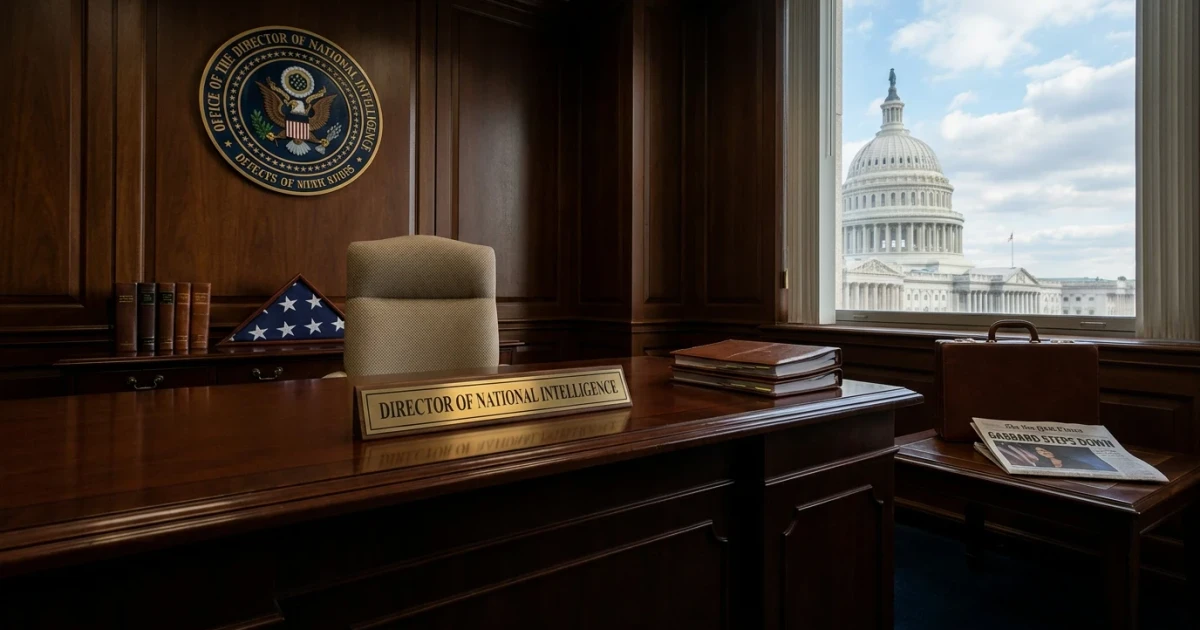
Tulsi Gabbard has resigned from her role as the United States director of national intelligence, citing her husband's health as the reason for her departure. The announcement, reported by both AP News and Al Jazeera, marks a significant leadership change within the U.S. intelligence community under President Donald Trump's administration.
Leadership Change in the Intelligence Community
Gabbard, who has held the position of director of national intelligence (DNI) since her appointment by President Trump, informed the White House of her decision on Thursday. Her resignation comes at a time of ongoing challenges in national security and intelligence coordination. As the DNI, Gabbard was responsible for overseeing the U.S. intelligence apparatus, including coordination among 17 federal intelligence agencies and providing critical briefings to the president and senior administration officials.
- Gabbard cited her husband's health as the primary reason for stepping down, according to AP News.
- Her resignation was submitted to the White House late Thursday and made public shortly after.
- Al Jazeera highlighted her role as the highest-ranking intelligence official in the U.S. government.
Implications for U.S. Intelligence Operations
The director of national intelligence plays a pivotal role in managing national security, especially during periods of global uncertainty. According to the ODNI’s annual report to Congress, the office oversees strategic priorities such as counterterrorism, cybersecurity, and foreign intelligence gathering.
With Gabbard’s resignation, the White House will need to appoint an acting director or nominate a permanent successor. The selection process typically involves congressional hearings and vetting to ensure the candidate meets stringent national security requirements.
Transition and Next Steps
The Office of the Director of National Intelligence (ODNI) has not yet released details about interim leadership or the timeline for selecting a new director. Both AP News and Al Jazeera noted that the transition comes amid ongoing intelligence challenges, including evolving threats from foreign adversaries and the need for robust interagency coordination.
Official records from the Federal Register indicate that leadership transitions within the ODNI are closely monitored by Congress and the public, reflecting the office’s importance in national security strategy.
Looking Ahead
Gabbard’s departure underscores the personal challenges faced by public servants in high-profile roles. As the White House prepares for a leadership transition, the intelligence community will be watching closely to ensure continuity and stability in national security operations. The selection of a new DNI is expected to be a closely scrutinized process, given the critical nature of the office.
For readers seeking more information on the history and responsibilities of the national intelligence director, official resources from the CIA World Factbook and the Government Accountability Office provide comprehensive background and data.