World
Turkey, Pakistan and Saudi Arabia sign mutual defense pact
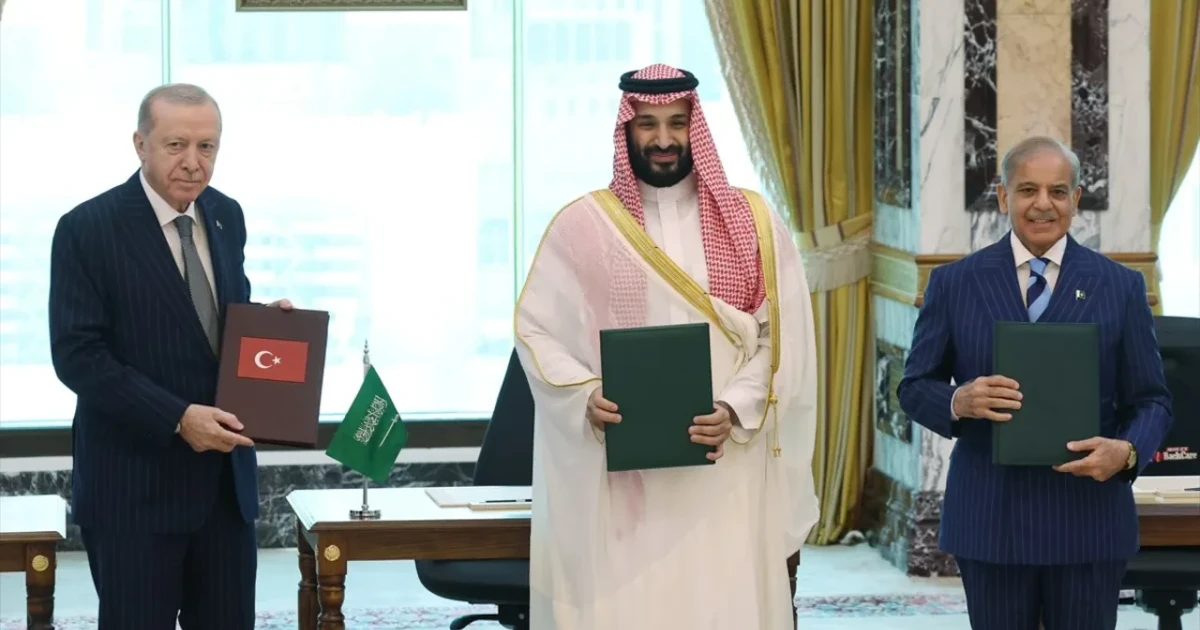
Turkey, Pakistan and Saudi Arabia signed a joint defense agreement in Mecca on Friday, and Turkish Foreign Minister Hakan Fidan said the pact was technically the same as NATO’s Article 5. The arrangement, also called the Mecca Joint Defence Agreement and the Strategic Mutual Defence Agreement, puts three influential regional powers into a mutual-defense framework that could change calculations across the Middle East and South Asia.
NATO’s Article 5 treats an armed attack on one ally as an attack on all, while each member decides what action to take. That makes the comparison important but incomplete: the new pact points to a collective-defense clause, yet its legal and military mechanics are still less explicit than NATO’s treaty language. The difference matters because deterrence depends not only on the promise of a response, but on whether that response is automatic, coordinated, or left to later political judgment.
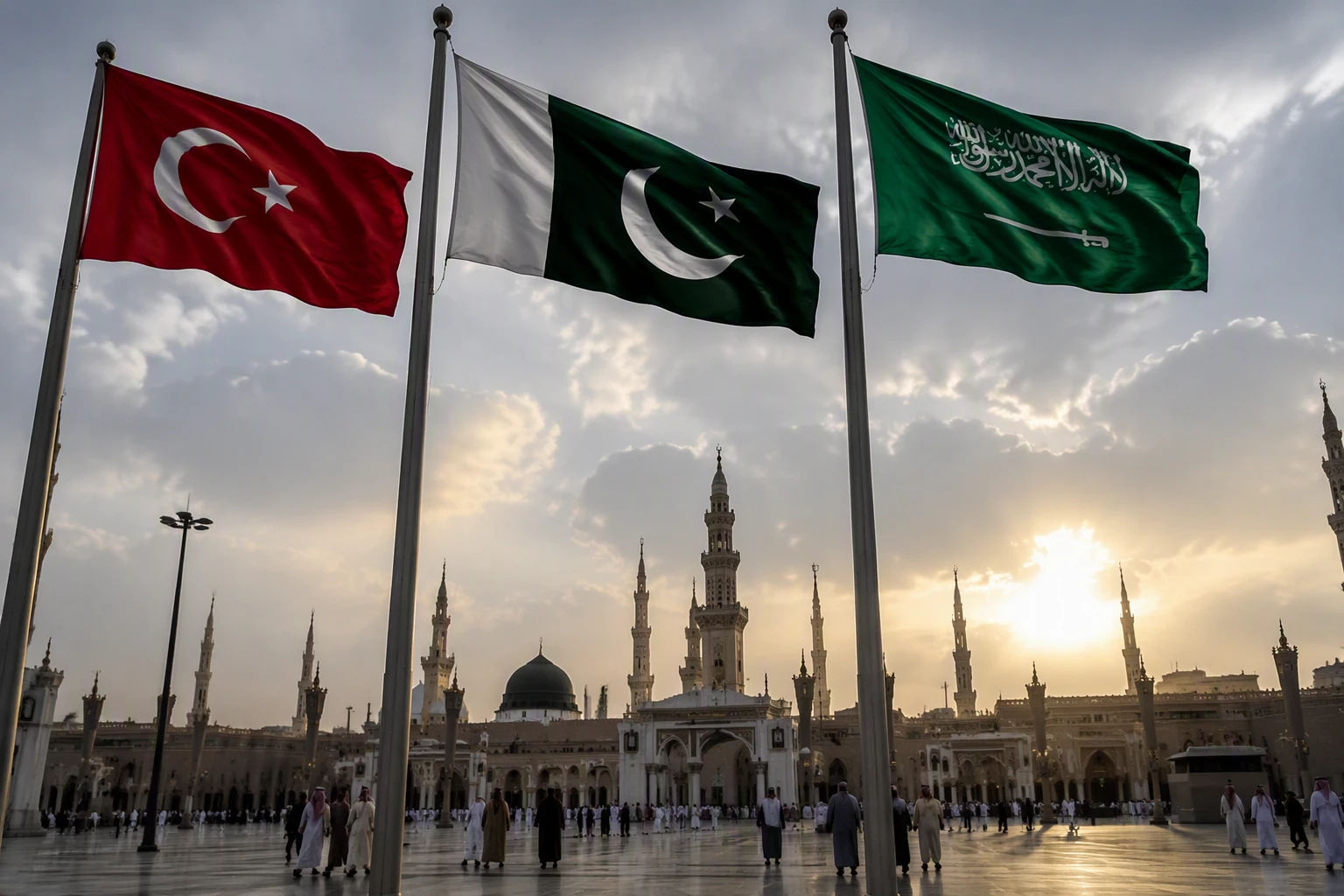
Fidan also said the pact was not aimed at Iran or any specific country, a clarification that came amid speculation tied to the war in Iran. Even so, the agreement signaled a widening regional realignment. A Strategic Mutual Defence Agreement had already been signed between Pakistan and Saudi Arabia in September 2025, and the Mecca signing appeared to extend that framework to Turkey. Officials also described the deal as defensive and open to others, leaving open the possibility of a broader bloc.
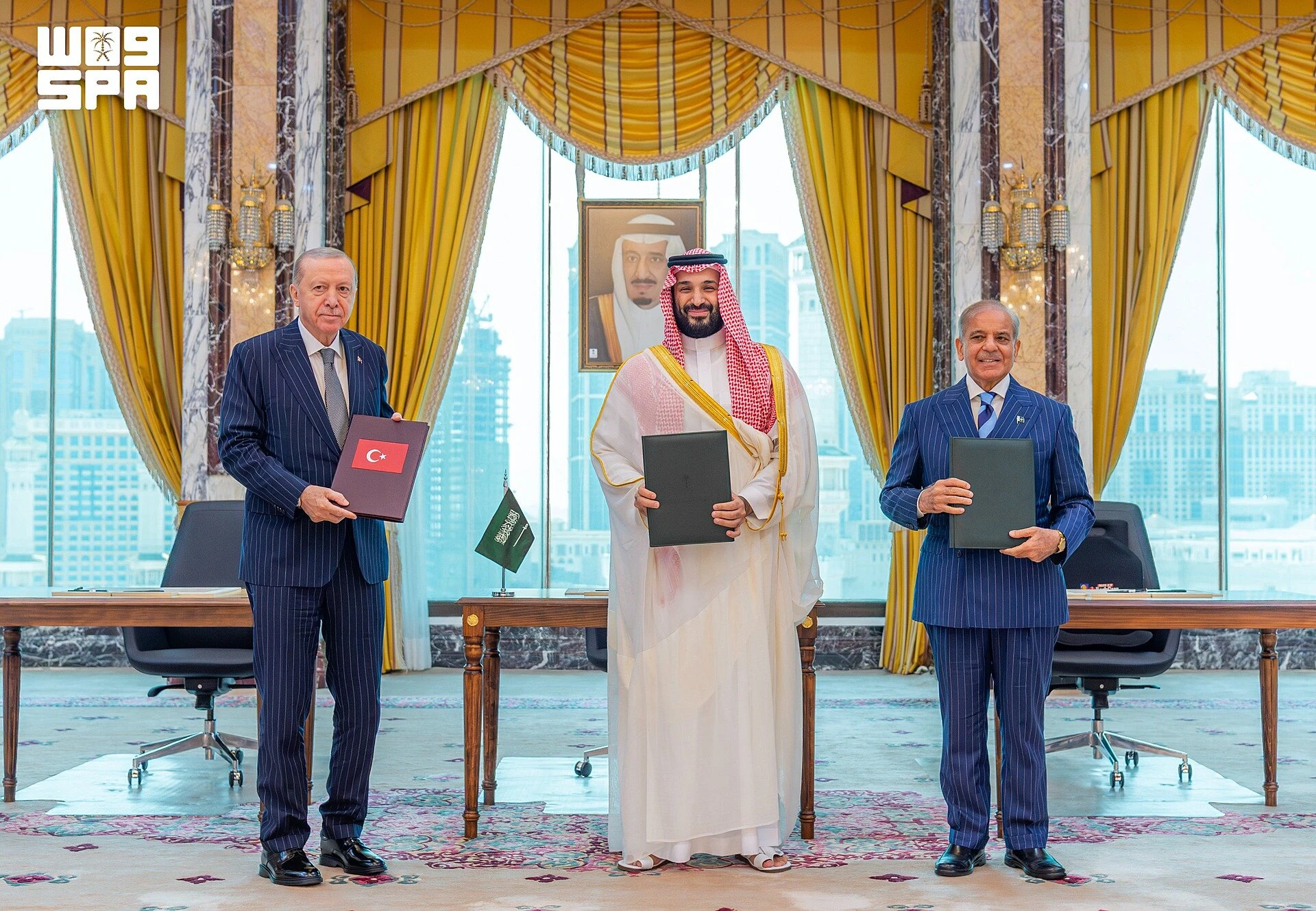
That prospect gives the pact its strategic weight. Turkey brings a major military and diplomatic reach, Saudi Arabia anchors Gulf politics and energy security, and Pakistan adds a large army and a position linking South Asia and the Islamic world. A security arrangement among the three will be watched closely in Washington, Moscow and Beijing because it represents regional powers building a parallel security architecture outside Western alliances. If the pact hardens into a real deterrent, it could complicate U.S. crisis planning; if the collective-defense language stays vague, it may remain more symbolic than operational.
Sources
- [1]reuters.com
- [2]aljazeera.com
- [3]thehill.com
- [4]nato.int
- [5]wmbdradio.com