Health
Turmeric Recommended by Dietitians for Inflammation
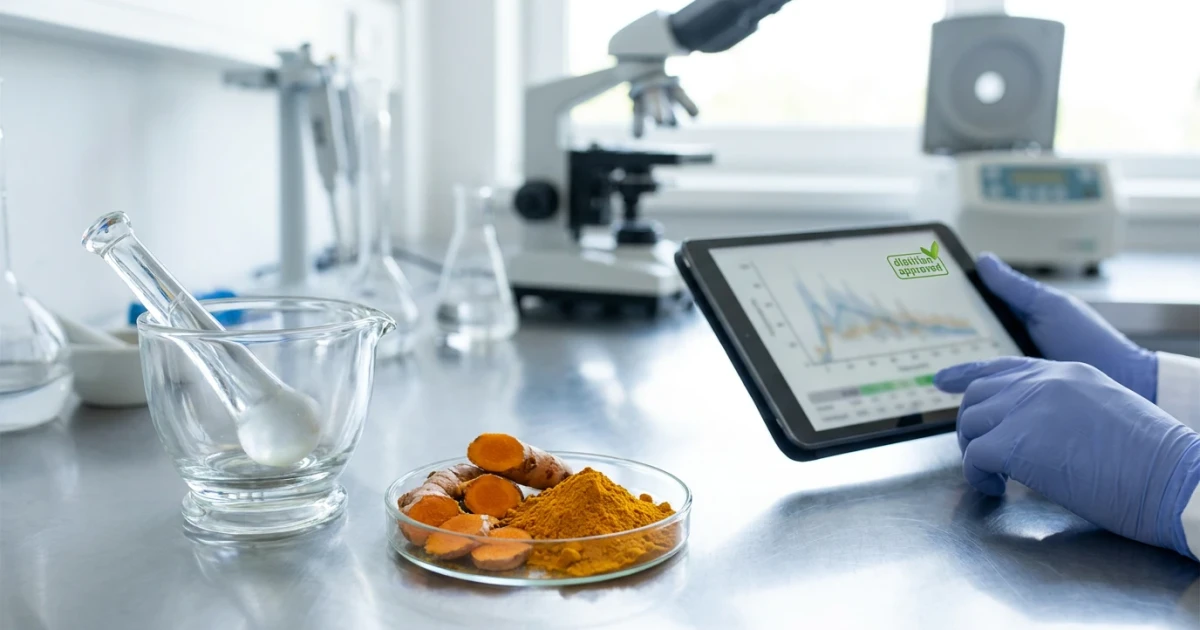
Turmeric has emerged as the leading herb for decreasing inflammation, according to dietitians interviewed by AOL.com. Widely used in both culinary and medicinal traditions, turmeric’s anti-inflammatory properties have been the subject of increasing scientific scrutiny, with recent clinical trials and systematic reviews supporting its efficacy.
Turmeric's Active Compound and Mechanisms
The key ingredient in turmeric is curcumin, a bioactive compound responsible for its distinctive yellow color and much of its therapeutic potential. According to the NIH Office of Dietary Supplements, curcumin works by modulating several pathways involved in inflammation, including inhibiting cytokines and enzymes that drive the body’s inflammatory response. These effects have been observed in both laboratory studies and clinical trials, lending credibility to dietitians’ recommendations.
- Curcumin blocks inflammatory molecules like NF-kB and COX-2.
- It may reduce joint swelling and pain in arthritis patients.
- Turmeric is generally considered safe at moderate doses, according to official health sources.
Clinical Evidence and Systematic Reviews
Multiple peer-reviewed studies and systematic reviews have analyzed turmeric’s effectiveness for a range of inflammatory conditions. A Cochrane Review found that herbal therapies, including turmeric, showed promise in reducing symptoms in patients with rheumatoid arthritis. The review examined randomized controlled trials and noted improvements in pain and inflammation markers compared to placebo.
Further, a comprehensive database at Examine.com summarizes dozens of clinical trial outcomes, indicating that turmeric supplementation is associated with a statistically significant reduction in inflammatory markers such as C-reactive protein (CRP) and interleukin-6 (IL-6).
- Studies reviewed by Examine.com show turmeric supplements reduced CRP by up to 30% in some trials.
- The PubMed database lists over 200 clinical trials exploring herbs and inflammation, with turmeric featured in many.
- A review published in Foods highlighted curcumin's potential to alleviate symptoms of chronic inflammatory diseases.
Usage, Dosage, and Safety
Dietitians recommend incorporating turmeric into daily routines, either through food or supplements. However, they caution that bioavailability—the body’s ability to absorb curcumin—is low unless combined with piperine, a compound found in black pepper. The National Center for Complementary and Integrative Health (NCCIH) recommends consulting healthcare professionals before starting supplements, especially for those with underlying health conditions or who are taking other medications.
- Typical supplemental doses range from 500–2,000 mg per day of curcumin.
- Turmeric is generally recognized as safe, but high doses may cause stomach upset or interact with anticoagulant drugs.
Dietitians' Perspective
According to AOL.com, dietitians consistently rank turmeric as their number one herb for inflammation due to its robust research backing and versatility. While other herbs like ginger and garlic also exhibit anti-inflammatory effects, turmeric’s impact is seen as particularly significant.
Conclusion: Turmeric's Role in Managing Inflammation
Turmeric’s status as the top herb for inflammation is supported by both expert opinion and a growing body of scientific evidence. While it is not a substitute for medical treatment, its use as a complementary strategy appears promising for individuals seeking to manage inflammation through diet. As research continues, dietitians and health authorities advise moderation and informed usage, emphasizing the importance of consulting professionals for personalized advice.