Science
Turning Mars Green: From Science Fiction to Scientific Possibility
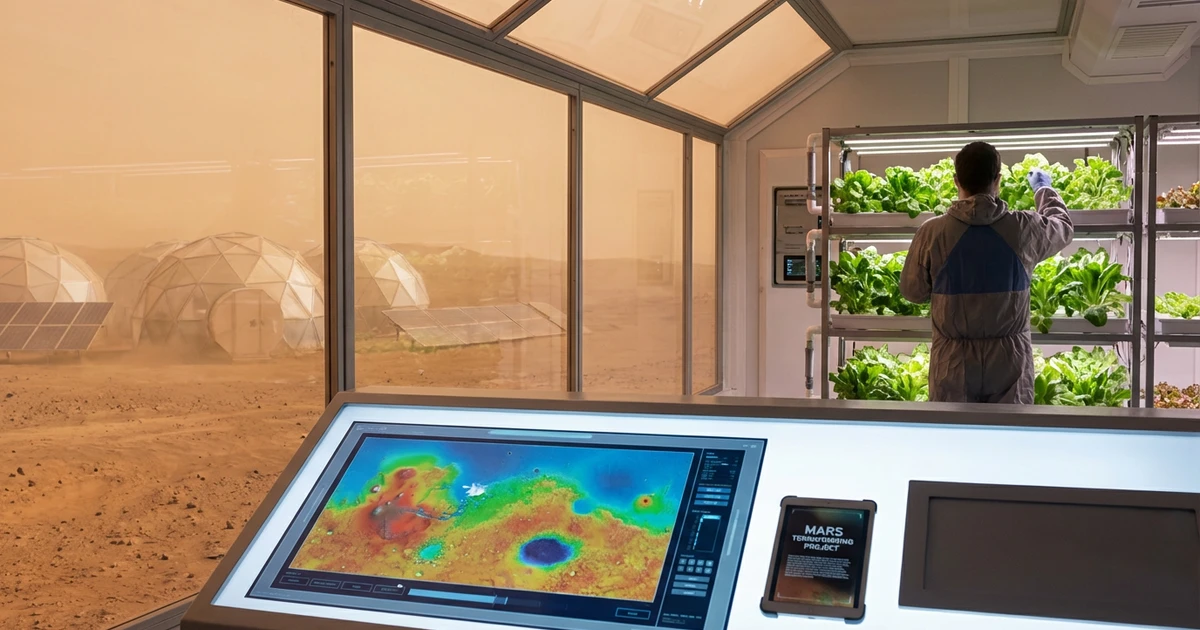
Mars—long depicted as a barren, red wasteland—could one day be transformed into a lush, green world, according to new scientific discussions. What was once the realm of science fiction is now edging closer to reality, as researchers explore the potential for terraforming the Red Planet.
The Dream of a Green Mars
The concept of making Mars habitable—sometimes known as 'greening' the planet—has fascinated scientists and the public alike for decades. The idea involves altering Mars’s environment to support life, potentially by introducing plants and other organisms that could create a breathable atmosphere. While the challenges are immense, ongoing advancements in space technology and planetary science are making this vision more plausible than ever before.
Scientific Advances Fueling Ambition
Recent research has begun to outline the practical steps necessary for such a transformation. Scientists are investigating how engineered organisms could survive in Mars’s harsh conditions, and whether technologies like artificial photosynthesis could help kickstart the process. The goal is to eventually create conditions where plants can thrive, paving the way for a self-sustaining ecosystem.
- Atmosphere Modification: One major hurdle is Mars’s thin, carbon dioxide-rich atmosphere, which currently cannot support human or plant life.
- Temperature Regulation: Mars’s surface temperatures are far below freezing, requiring innovative solutions to trap heat and make the planet more hospitable.
- Soil Enrichment: Martian soil lacks the organic material necessary for most Earth plants, but research is underway to identify microbes and fertilizers that could help.
From Fiction to Feasibility
In the past, the notion of a green Mars was largely confined to novels, movies, and speculative essays. Today, with the growth of private and public space exploration programs, as well as discoveries about extremophiles—organisms that survive in Earth's harshest environments—scientists are increasingly optimistic. While a fully terraformed Mars remains a long-term goal, incremental progress could lead to greenhouses and bio-domes as early steps on the path toward planetary transformation.
Challenges and Ethical Considerations
Despite the excitement, significant obstacles remain. The technical, financial, and ethical implications of modifying another planet are the subject of ongoing debate. Questions linger about the potential impact on any existing Martian life and the responsibilities that come with altering a planetary ecosystem.
Looking Ahead
As interest in Mars exploration intensifies, the possibility of turning the Red Planet green is gaining traction not only in scientific circles but also in the public imagination. Continued research and international collaboration will be essential to transforming what was once science fiction into a bold new chapter for humanity—and perhaps, for Mars itself.