TV Industry Retreats from 8K: LG Exits, Future Uncertain
Major TV manufacturers are stepping back from 8K, signaling a dramatic shift in display technology priorities and consumer demand.

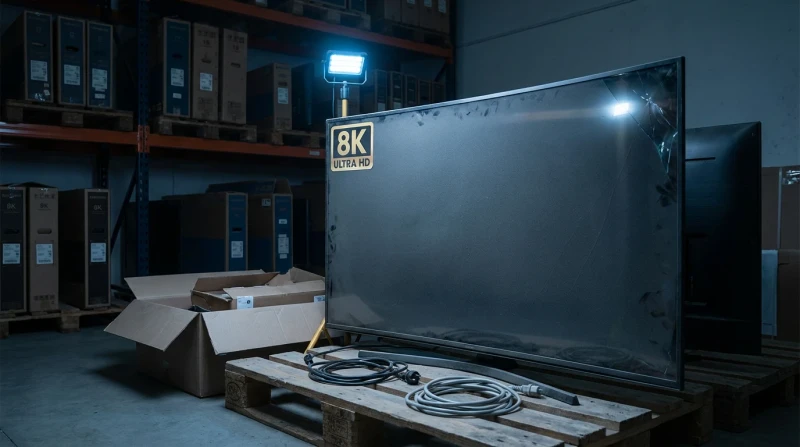
The once-promised future of 8K television is fading into the background as major industry players pivot away from ultra-high-definition displays, signaling a dramatic shift in the trajectory of home entertainment technology.
8K Ambitions Meet Market Reality
For years, the television industry touted 8K resolution as the next frontier—offering four times the pixel count of 4K and an unprecedented level of visual detail. Yet, recent developments suggest that this vision has not resonated with consumers or manufacturers alike. According to recent industry reports, leading TV maker LG has officially exited the 8K television market, discontinuing both 8K OLED and 8K LCD models. This move leaves only a handful of companies—if any—still actively promoting 8K as a mainstream product.
Why 8K Struggled to Take Off
- Content Scarcity: Despite advancements in display technology, there remains a notable lack of native 8K content. Streaming platforms, broadcasters, and filmmakers have been slow to adopt the format, leaving consumers with few reasons to upgrade from 4K.
- High Costs: 8K TVs have consistently been priced at a premium, making them inaccessible for most households. The cost-to-benefit ratio has not justified widespread adoption, especially when 4K models offer excellent quality at lower prices.
- Marginal Visual Gains: On standard living room screen sizes and viewing distances, the improvement from 4K to 8K is virtually imperceptible to the human eye, further diminishing the appeal of upgrading.
Industry Recalibration and Consumer Demand
According to reporting from Ars Technica, the TV industry is finally acknowledging these hurdles. LG’s withdrawal from the 8K space follows years of slow sales and tepid consumer interest. With LG’s exit, the remaining players in 8K are now limited to niche markets or are re-evaluating their own strategies. This marks a significant departure from just a few years ago, when 8K was heavily promoted at global trade shows and in marketing campaigns.
The Path Forward: Focus Shifts to Practical Innovation
As the 8K dream wanes, manufacturers are redirecting their resources into features that offer more tangible value to viewers. These include:
- Picture Processing Advances: Improved upscaling, color accuracy, and contrast enhancements
- Better Smart TV Integration: Streamlined interfaces and more robust app ecosystems
- Energy Efficiency: Lower power consumption for sustainability and cost savings
- Enhanced Audio: Integrated sound solutions and support for immersive audio formats
These priorities better align with what consumers are seeking, according to market analysts, and are more likely to drive TV sales moving forward.
Looking Ahead: What Becomes of 8K?
While 8K televisions are not disappearing entirely, their future appears to be relegated to specialized applications such as commercial displays, digital signage, and niche enthusiasts. The mainstream market, however, is doubling down on perfecting 4K TVs and enhancing user experience rather than chasing ever-higher resolutions with diminishing returns.
The industry’s candid re-evaluation of 8K reflects a broader truth: technological progress is most successful when it aligns with actual user needs and content availability. As TV makers turn their focus to features that matter most to consumers, the home entertainment landscape is poised for more meaningful—if less flashy—innovation.
Sources
- [1]Ars Technica

Darren Ryding
Award-winning sports journalist with two decades of experience in football coverage. Known for sharp match analysis and an encyclopedic knowledge of league history that brings context to every story.