Health
Two cyclospora cases confirmed in New Hampshire, health officials say
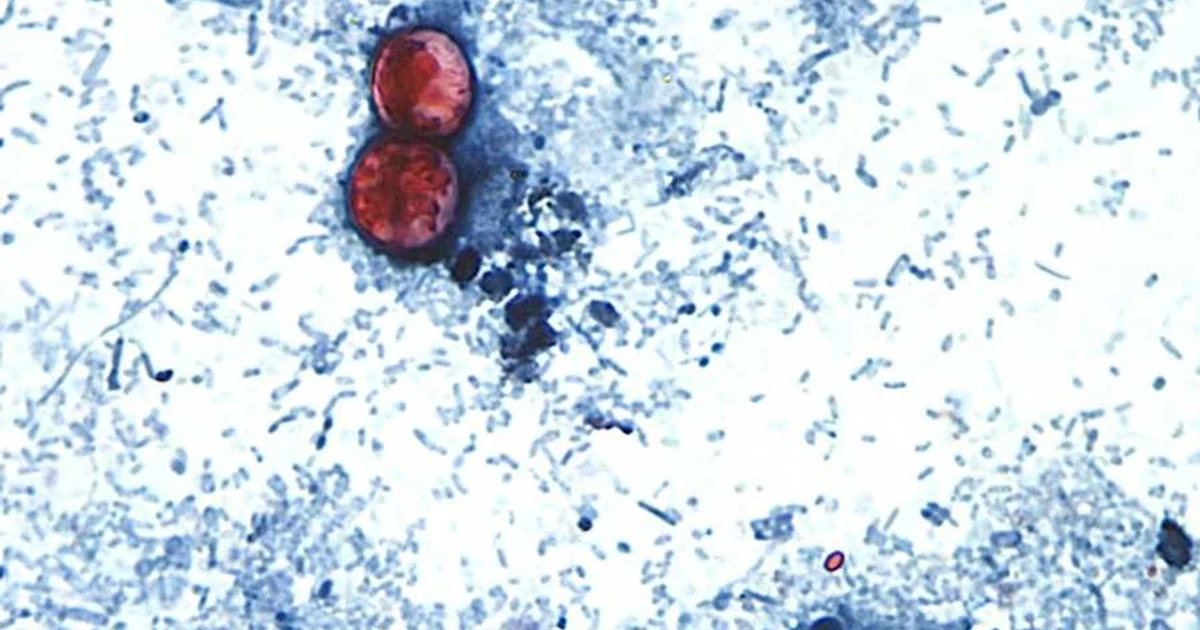
Two cyclosporiasis cases were confirmed in New Hampshire as federal health officials tracked 843 confirmed domestic cases across 31 states, with 86 hospitalizations and no deaths.
Cyclospora is a microscopic parasite that spreads when people eat food or drink water contaminated with feces. In the United States, outbreaks have repeatedly been tied to fresh fruits and vegetables, and the parasite must spend at least 1 to 2 weeks in the environment before it becomes infectious. Person-to-person spread is unlikely, and contaminated produce can move through harvest, packing and distribution before anyone realizes it is dangerous.

The delay between exposure and illness makes that tracing harder. Symptoms usually begin about a week after infection, but they can appear as soon as 2 days later or as late as 2 weeks or more, CDC says. Watery diarrhea is the hallmark, often with frequent and sometimes explosive bowel movements, along with loss of appetite, weight loss, nausea, fatigue and symptoms that may fade and then return.
CDC advises washing hands with soap and water before and after handling raw fruits and vegetables, rinsing produce under running water, scrubbing firm items such as melons and cucumbers, and refrigerating cut or peeled produce within two hours. FDA says chlorine and other common antimicrobial chemical treatments are not effective against Cyclospora.

CDC says state and federal partners are investigating several outbreaks as the 2026 cyclosporiasis season, which runs from May 1 through August 31, continues.