World
Two earthquakes in Peru leave several dead and injured
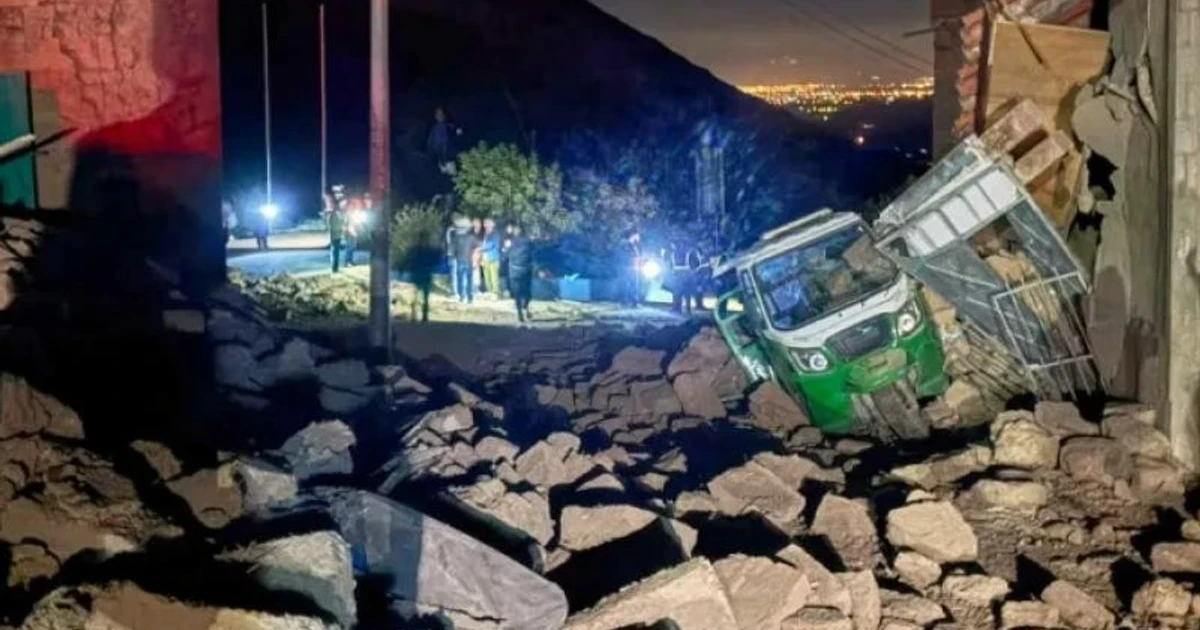
At least six people were killed and 21 injured after two earthquakes struck Peru’s Junín region east of Lima, as rescuers worked through collapsed homes and checked for people still trapped in the rubble. The toll climbed in a country where even moderate shaking can turn deadly when houses, roads and medical access are already fragile.
The stronger quake struck at 9:24 p.m. local time Saturday, with the U.S. Geological Survey placing it at about 24 kilometers deep. A second tremor followed soon after. Peru’s Geophysics Institute measured the pair at magnitude 5.1 and 3.7, a combination that left officials racing to assess damage in Huancayo and other parts of the central highlands. First responders searched collapsed houses while Peru’s Defence Ministry circulated images from the scene.
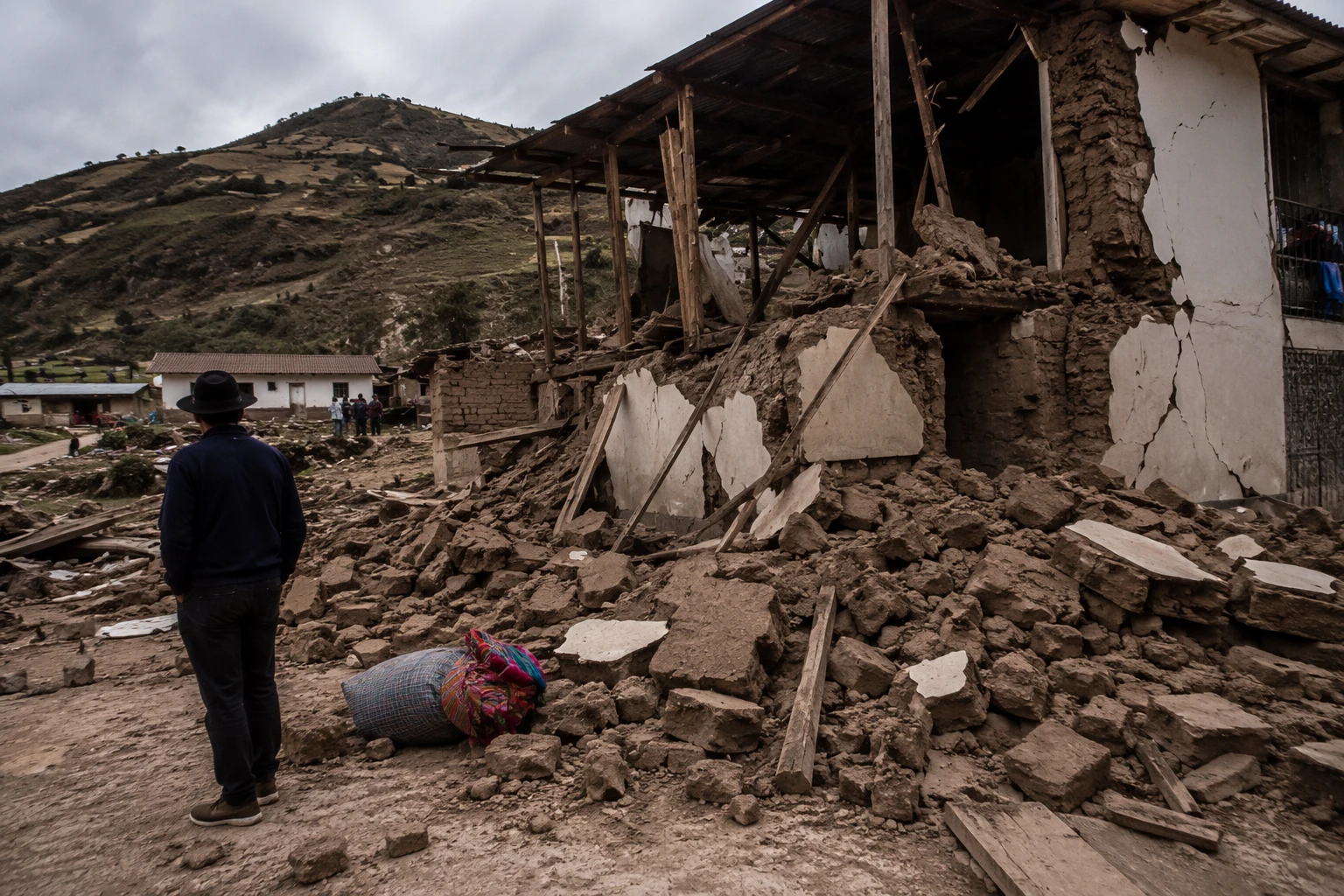
The disaster laid bare why Peru remains so exposed to seismic risk. The country sits on the Pacific Ring of Fire, where tectonic pressure regularly produces damaging earthquakes, and the central highlands add another layer of danger: steep terrain, scattered communities and older building stock that can fail even when a quake is not among the strongest on record. In scenes like this, civil defense teams have to move fast to inspect hospitals, roads, bridges, schools and housing, because a second tremor can bring down already weakened walls and complicate rescue work.
About 300 people were displaced by the shaking, adding to the emergency burden in towns that may already be short on shelter, transport and communications. Injured residents needed rapid medical attention while families tried to account for missing relatives and salvage what remained of damaged homes. The disruption also carried an economic cost, with repairs needed for public utilities and local infrastructure that many communities depend on to stay connected.
Peru is used to earthquakes, but frequency has not made it safer. Each new tremor renews the same questions about construction standards, enforcement in vulnerable neighborhoods and whether emergency planning in high-risk regions has kept pace with the danger. In Junín, the latest quakes became another test of those weak points, not just a natural event, but a reminder of how much damage old vulnerabilities can still do.
Sources
- [1]reuters.com
- [2]abcnews.com
- [3]aljazeera.com
- [4]nytimes.com
- [5]gdacs.org
- [6]x.com