World
Two grade 9 students kill three in Tacloban school shooting
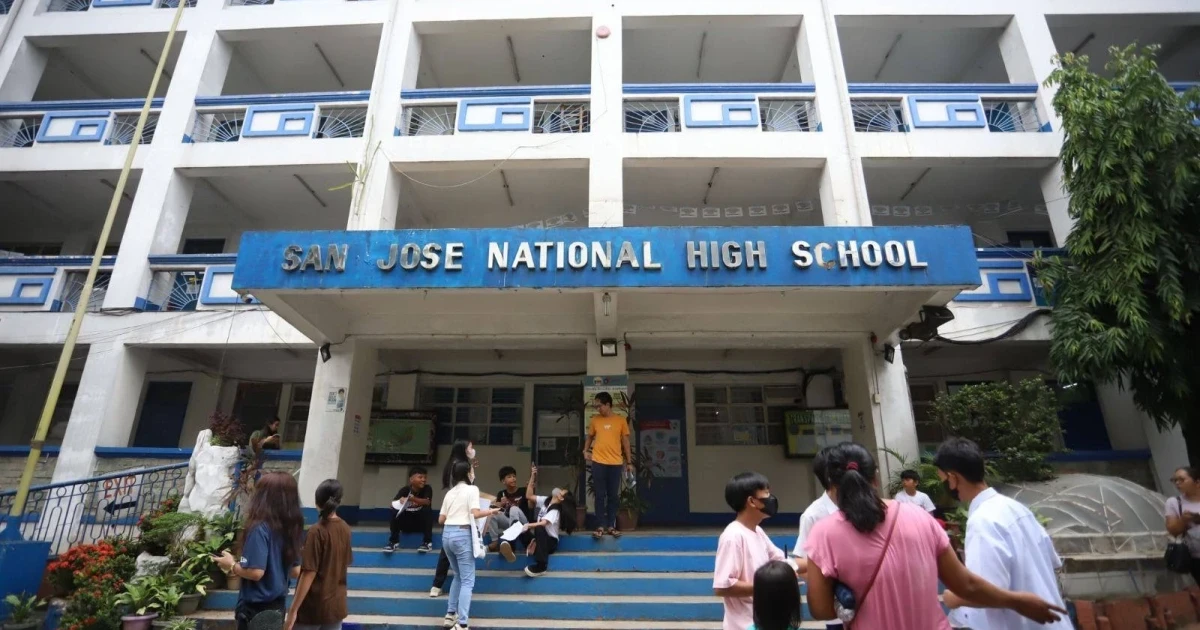
A morning class at San Jose National High School turned deadly when two Grade 9 students opened fire inside two classrooms in Tacloban City, leaving three people dead and seven others wounded. The shooting, at about 9:00 a.m. in Barangay San Jose, has forced a hard look at how two teenagers were able to bring a gun into school, fire in separate rooms, and reach classmates before security or staff could stop them.
Police identified the suspects as 14 and 15 years old and said both were students at the same school. One was immediately taken into custody as a child in conflict with the law, while the second was later arrested after a manhunt. Investigators said most of the victims were also Grade 9 students, underscoring how closely the attack was tied to one cohort inside the school.
Authorities have not yet released the names of the dead and wounded, pending notification of their families. Police said they are still determining the motive and the relationship between the suspects and the victims. Initial interviews suggested the suspects may have been bullied since Grade 7, but that has not been confirmed.
The case is now prompting questions about school safety, student monitoring and warning signs that may have gone unnoticed. The fact that two minors allegedly carried out the shooting in two classrooms has shifted attention to campus safeguards, supervision and whether earlier intervention might have changed the outcome. Police in Eastern Visayas and the Tacloban City Police Office are continuing the investigation.
The Department of Education in Eastern Visayas condemned the attack and said it was working with police and other government agencies to secure the campus, provide medical assistance and deploy psychosocial support for affected learners and personnel. The Tacloban City government also suspended classes at San Jose National High School after the shooting, leaving the campus closed as authorities assess the damage and the next steps for students and staff.
Brig. Gen. Jason Capoy and other officials said the response will have to extend beyond the immediate investigation, with attention now turning to prevention, student welfare and the systems meant to catch conflict before it turns violent.