Sports
Tyler Adams reflects on family, fatherhood and his World Cup journey
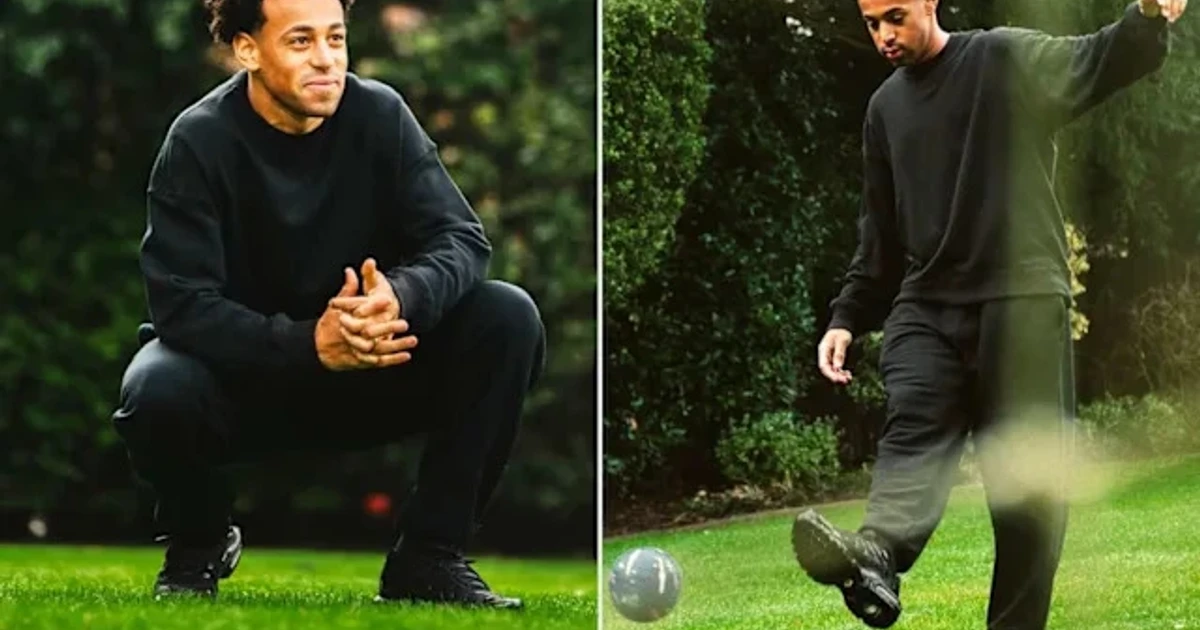
Tyler Adams has gone from the teenager making a 150-mile roundtrip to training in a Honda Accord that once belonged to his mother to the veteran expected to steady the United States in another World Cup. The AFC Bournemouth midfielder now talks about family, fatherhood and trusting each step of the process, a shift that has changed both his home life and the way the USMNT views leadership.
Family built the first version of his game
Adams was born on February 14, 1999, in Wappingers Falls, New York, and the route from that Hudson Valley town to the top of American soccer was never simple. His mother, Melissa Russo, raised him alone for part of his childhood, and the daily training commute to Whippany, New Jersey, became part of the routine that shaped him long before he wore a national-team captain’s armband.
That commute covered 150 miles roundtrip, and the car was a 2013 Honda Accord that had belonged to his mother. The details matter because they show how much of Adams’ rise was built on ordinary labor, long drives and family sacrifice, not glamour. He has also described himself as a competitive child who helped around the house, habits that translated into the work ethic and control that later defined his midfield game.
Fatherhood has changed his frame of reference
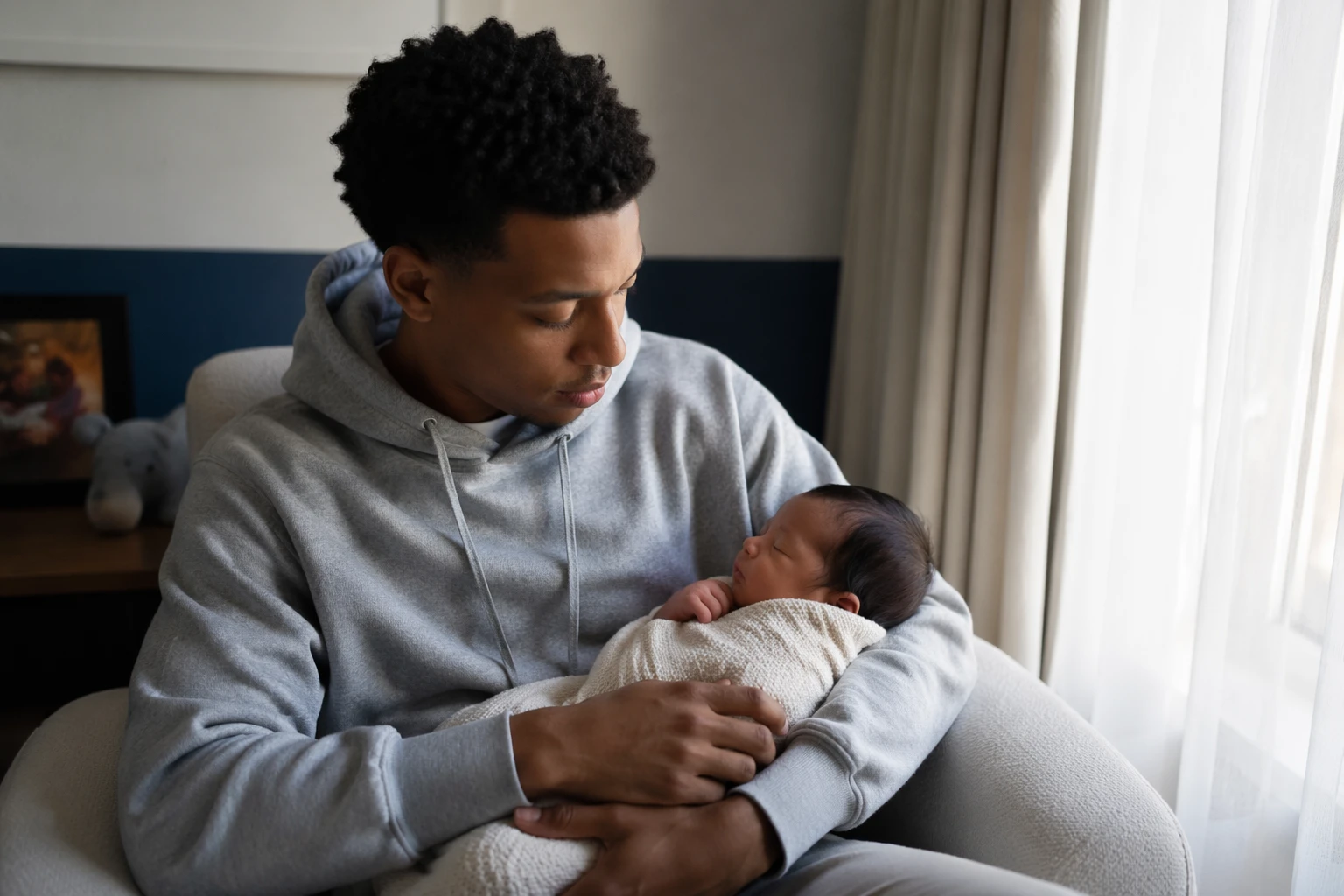
Adams now says he has two sons, and he has made clear that fatherhood has altered how he sees himself. He also enjoys photography, a quieter detail that fits the way his life has broadened beyond the noise of international football. The change is not sentimental. It is practical, because being a father means his time, energy and focus are divided in ways that elite sport rarely accounts for.
He was away from camp because of the birth of his second child and because of injuries just before camp, a reminder that even national-team regulars are shaped by family care and physical wear. In a sport that often rewards the illusion of constant availability, Adams’ recent stretch shows a different reality: top players still move through newborn schedules, recovery time and the emotional recalibration that comes with both. That is part of why his presence now feels more measured than performative.
Qatar made him a leader, not just a prospect
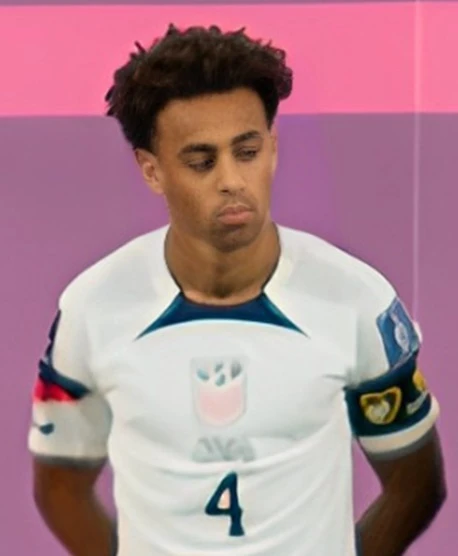
Adams’ World Cup reputation was built in Qatar in 2022, where he played every minute for the United States. He was named captain at 23, making him the youngest captain in that tournament, and Gregg Berhalter pointed to his maturity and humility as central to the team’s leadership. By the end of that run, Adams had already become more than a ball-winner. He was the emotional and tactical reference point for a young squad under pressure.
The recognition followed. He was named U.S. Soccer Male Player of the Year for 2022, a formal marker of how much he carried at the tournament. For American fans, that matters because the standard attached to him has changed. He is no longer being judged only on whether he can press, tackle and cover ground. He is being judged on whether he can absorb the pressure that comes with being the most trusted midfielder on the field.
The 2026 cycle raises the stakes again
The next World Cup brings a different kind of scrutiny, because it is being played in the United States, Canada and Mexico, and Adams is expected to be part of the core that carries the team through it. FIFA identified him in March 2025 as a player looking to lead the United States under Mauricio Pochettino, and in May 2026 FIFA named Adams and Weston McKennie as the most prominent midfield figures for the U.S. heading into the tournament.
That framing is important because it shows how the leadership culture around the USMNT has matured. Adams is no longer a lone young captain asked to prove he belongs. He is part of a broader spine, one that includes McKennie and a coach in Pochettino who will expect the midfield to organize, connect and stay healthy through a demanding build-up. Adams’ injuries have already interrupted that process, which only increases the value of what he brings when he is available.
What fans should expect now is a player whose best qualities come from both ends of his life. The same discipline that once made a long commute feel normal now supports a professional who has already survived one World Cup as an every-minute starter and one captaincy as the youngest in the field. His next chapter is not about becoming someone new. It is about carrying that same toughness, with more maturity and more responsibility, into the tournament that may define his career.
Sources
- [1]telemundo.com
- [2]ussoccer.com
- [3]fifa.com
- [4]mlssoccer.com