World
Typhoon Bavi threatens Japan’s southwest with flooding and landslides
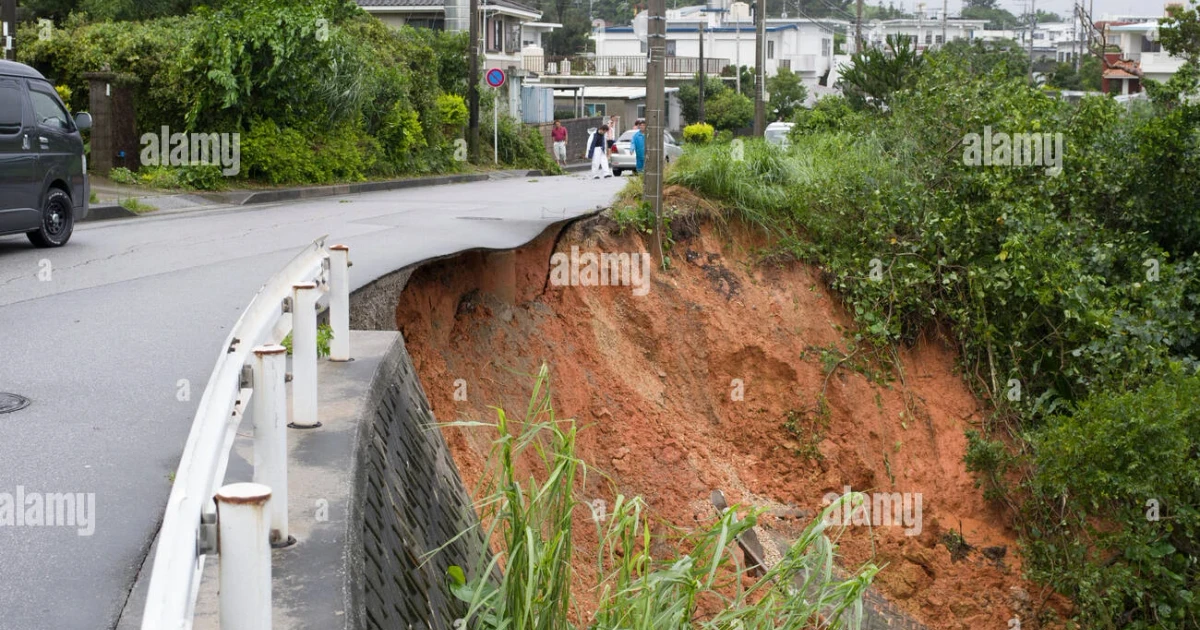
Authorities in Japan’s southwest warned of emergency-level rain, landslide and storm-surge hazards as Typhoon Bavi closed in on the Sakishima Islands, where residents on Ishigaki were stocking supplies and some shops were already closing. The Japan Meteorological Agency’s warning pages showed Level 5 emergency warnings for parts of Okinawa and Daitojima on July 10, a sign that the storm had moved beyond a routine forecast and into a civil-protection emergency. Early Friday, Bavi was packing maximum sustained winds of 162 kph, or 100 mph.
The typhoon was expected to approach the Sakishima Islands of Okinawa Prefecture from Friday to Saturday, putting remote communities in the southwestern island chain on alert for violent wind and flooding. That geography matters. The islands are scattered, transport links can be thin, and once heavy rain starts, steep slopes, narrow roads and limited ferry and air service can slow evacuations and make rescue harder.
On Okinawa, U.S. bases entered Tropical Cyclone Condition of Readiness 1 at 10 a.m. Friday, Japan time, underscoring the level of preparation already underway across the island chain. Bavi had strengthened into a violently strong typhoon and was being tracked as Typhoon No. 9 in Japan, adding to the sense that the storm could become one of the region’s more disruptive weather events in years.
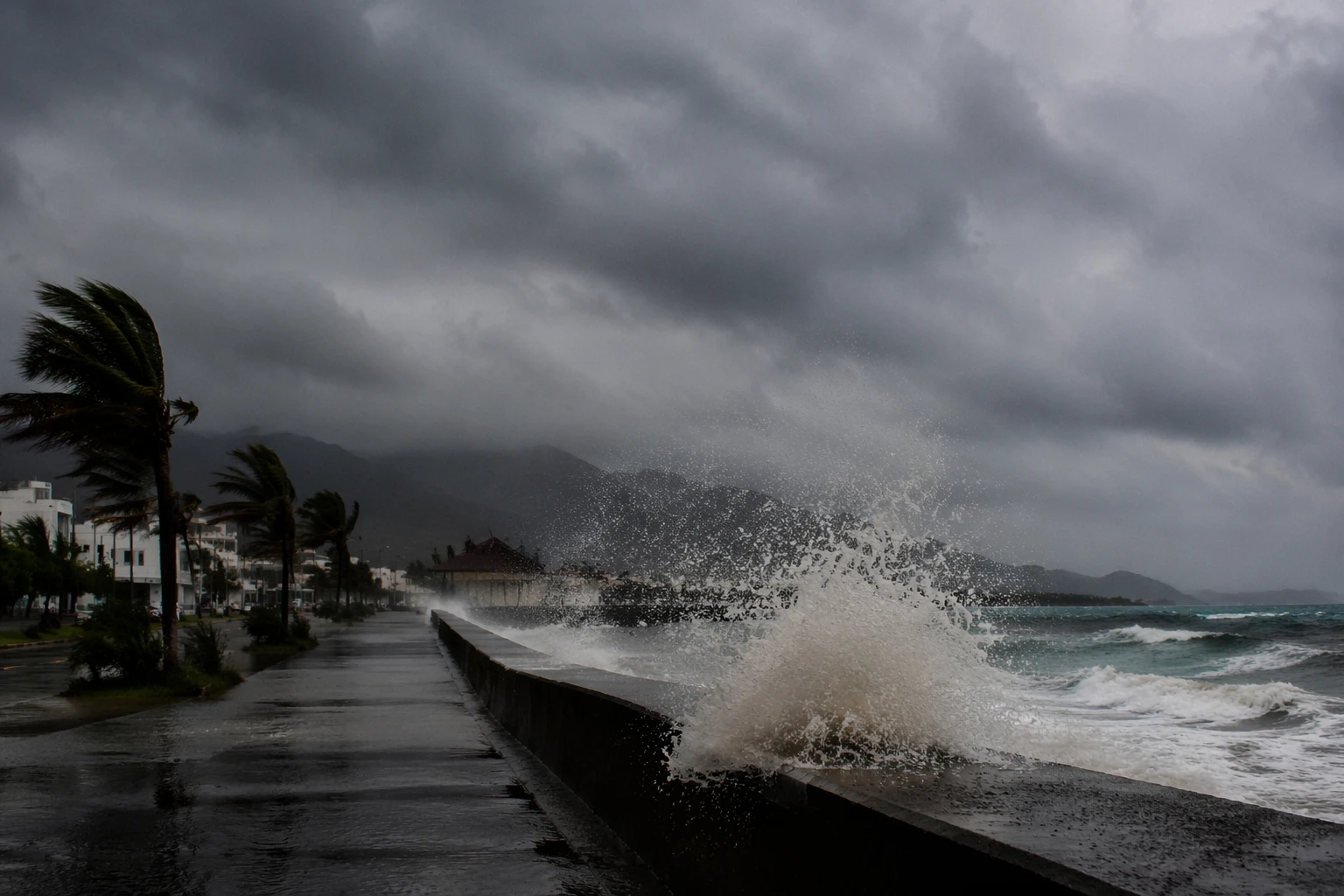
The impact was already visible on the ground in Ishigaki, where residents were securing homes and businesses and supermarket shelves of instant noodles had been stripped bare. Shops and public facilities closed as people braced for high waves, heavy rain and the landslides that often follow when saturated ground gives way on steep island terrain.
Air travel was disrupted before landfall, with airlines canceling dozens of flights in the region, including flights scheduled for Saturday. For island communities that rely on short-haul air links, ferries and imported supplies, those cancellations are more than an inconvenience. They can interrupt food deliveries, medical access and tourism revenue at the same time the weather threatens to isolate the islands.
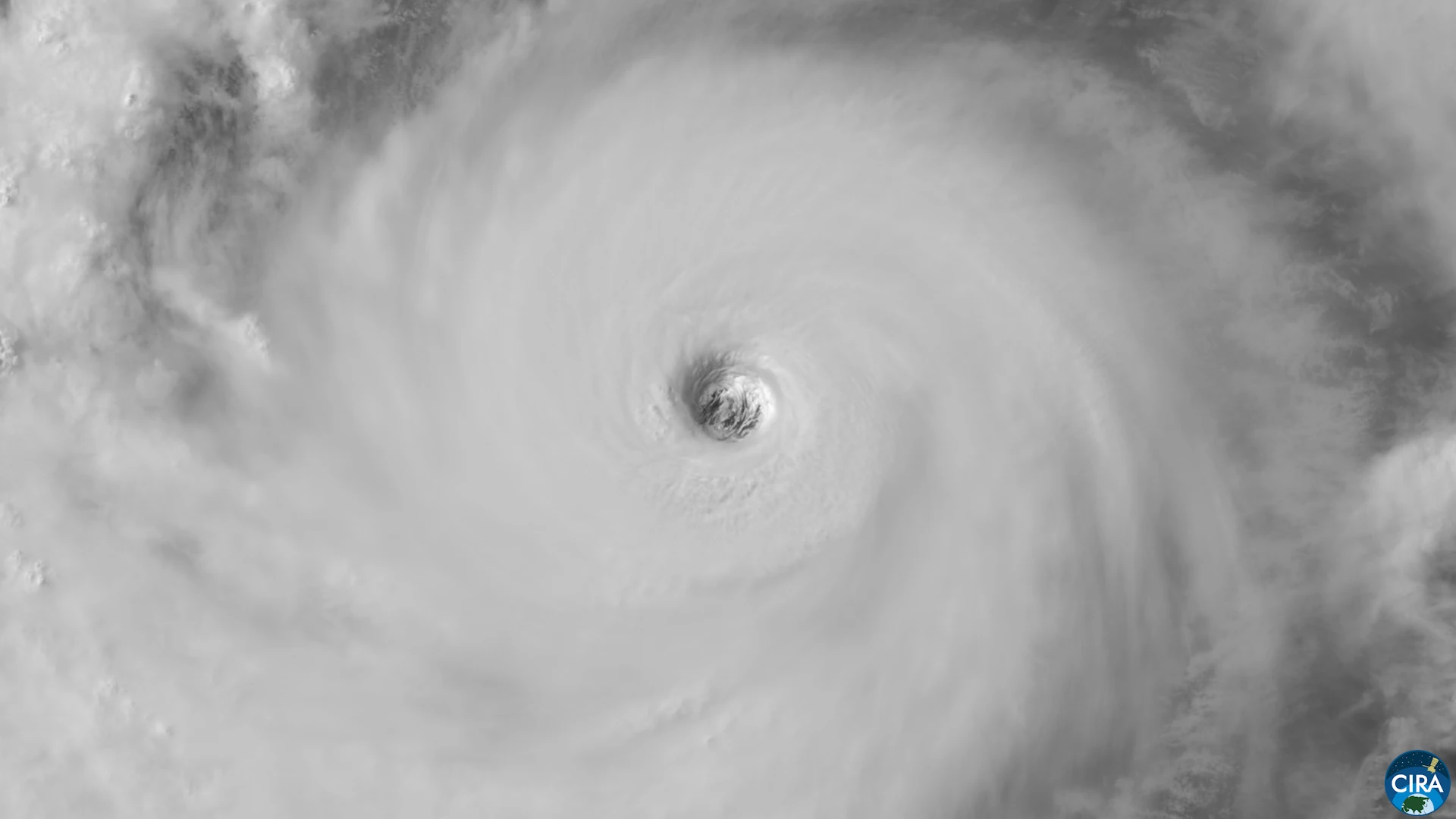
For Japan’s southwestern islands, Bavi was another test of how much protection can be built into places where the coastline is close, the hills are steep and the next harbor or runway may be the only route out. Emergency warnings for Okinawa and Daitojima showed that the hardest part of the storm was already underway before landfall, as residents and officials raced to stay ahead of the wind and water.
Sources
- [1]usnews.com
- [2]data.jma.go.jp
- [3]sp.m.jiji.com
- [4]stripes.com
- [5]yomiuri.co.jp
- [6]yahoo.com