World
Typhoon Bavi weakens, still lashes China after mass evacuations
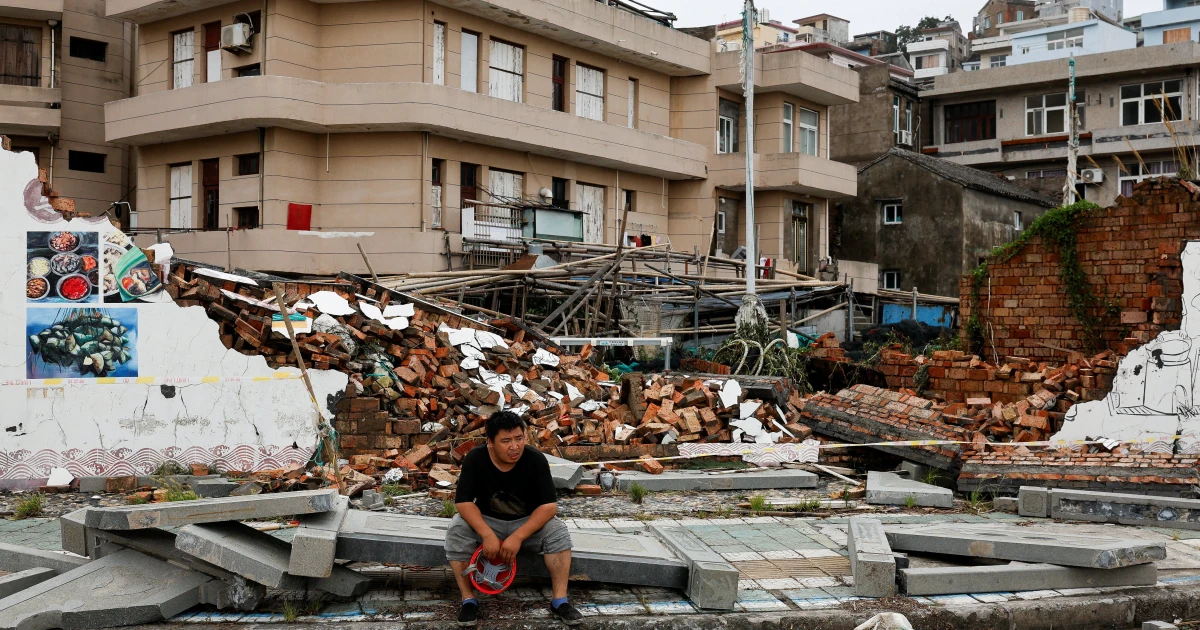
Typhoon Bavi weakened early Sunday to a severe tropical storm with maximum sustained winds of about 101 kph, or 63 mph, after making landfall in Zhejiang province, but it kept lashing eastern China with strong winds and heavy rain.
Authorities in Zhejiang evacuated about 2.2 million residents, Shanghai moved more than 290,000 people out of at-risk areas, and Fujian province evacuated more than 180,000. In Shanghai, Pudong International Airport and Hongqiao International Airport were expected to cancel around 653 inbound and outbound flights, a sign of how quickly a storm on the coast can disrupt one of China’s most important transport hubs.
China’s National Meteorological Center said Bavi would continue northwest across eastern China into Anhui, where heavy to torrential rain was recorded Sunday afternoon. Forecasters warned that strong winds and heavy rain would affect many eastern and northeastern Chinese cities on Sunday and Monday, keeping pressure on roads, airports and the systems that move food, fuel and people through the region.

The damage was already visible in Yueqing, a coastal city in Zhejiang province, where more than 1,300 trees were toppled, including at least 700 uprooted, according to CCTV. The fallen trees pointed to the strain Bavi placed on urban infrastructure even after the storm weakened, especially in cities where power lines, streets and evacuation routes can be blocked within hours.
Across the Taiwan Strait, the storm still had an immediate human cost. Taiwan’s fire department said at least 134 people were injured across the island as of 7 a.m. Sunday, some while riding motorcycles or bicycles in strong winds or on slippery roads. Bavi passed north of Taiwan on Saturday without making a direct landfall, but the injuries showed how far its effects reached beyond mainland China.
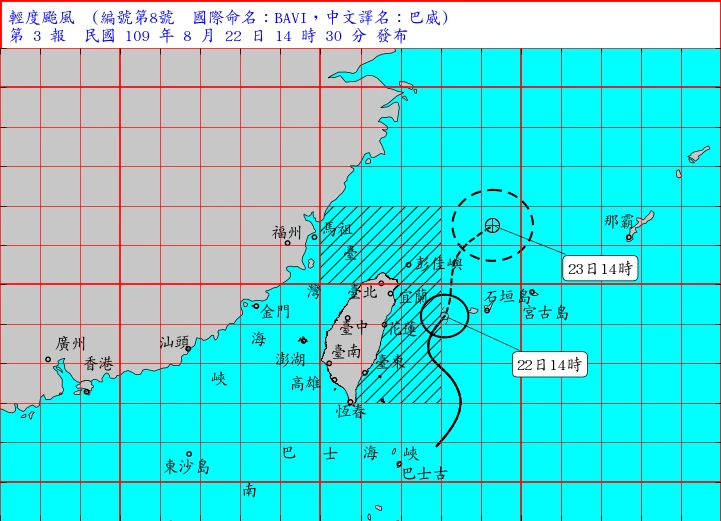
Described as the most powerful storm to strike mainland China this year, Bavi left eastern China facing the harder test after the landfall itself: whether mass evacuations, airport shutdowns and emergency crews could keep pace with the rain still moving inland toward Anhui and beyond.
Sources
- [1]cbsnews.com
- [2]abcnews.com
- [3]wric.com
- [4]cnbc.com