World
Typhoon Dolphin floods eastern China, disrupts Shanghai travel
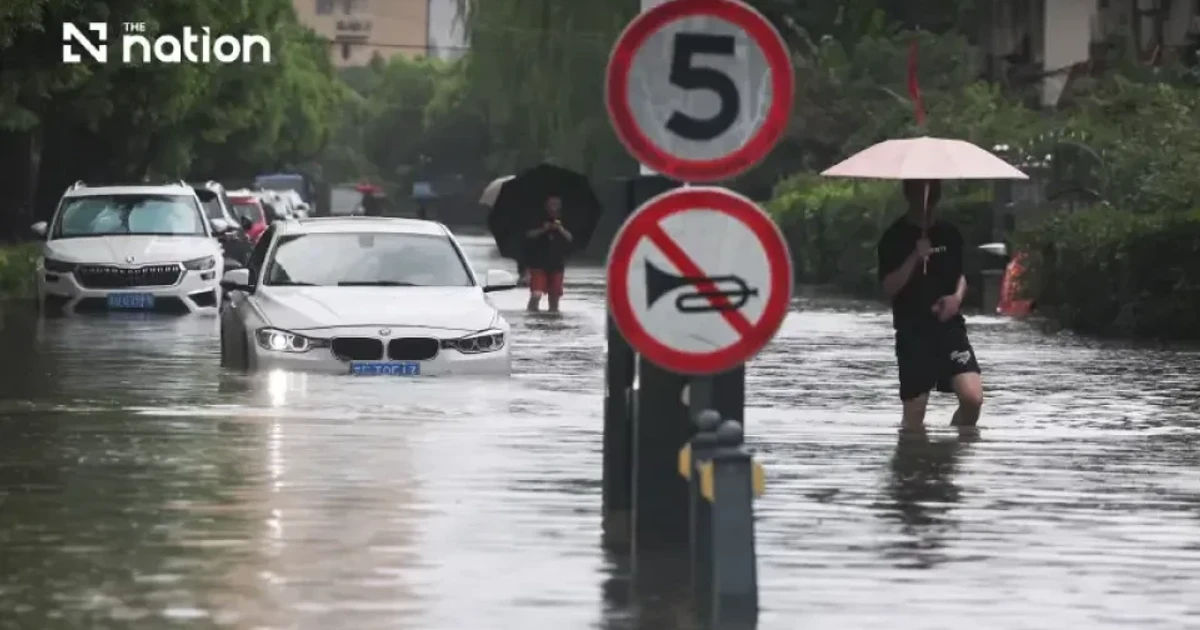
Typhoon Dolphin slammed China’s east coast and left Shanghai’s travel network scrambling as floodwater spread through streets, compounds and transport hubs. Reuters said the storm was the strongest to hit China in 2026, underscoring how a system that made landfall on Sunday evening could still drive serious disruption on Monday through rain and inland flooding.
The heaviest damage came from water, not wind. Reports from Shanghai described flooded streets and inundated compounds after a night of torrential rain, while AP imagery from Wenzhou in Zhejiang province showed damaged cars after a fallen wall in the storm’s aftermath. Shanghai was among the hardest-hit urban areas, with floodwater reaching parts of the city’s main commercial districts and forcing travel delays across the metro area.
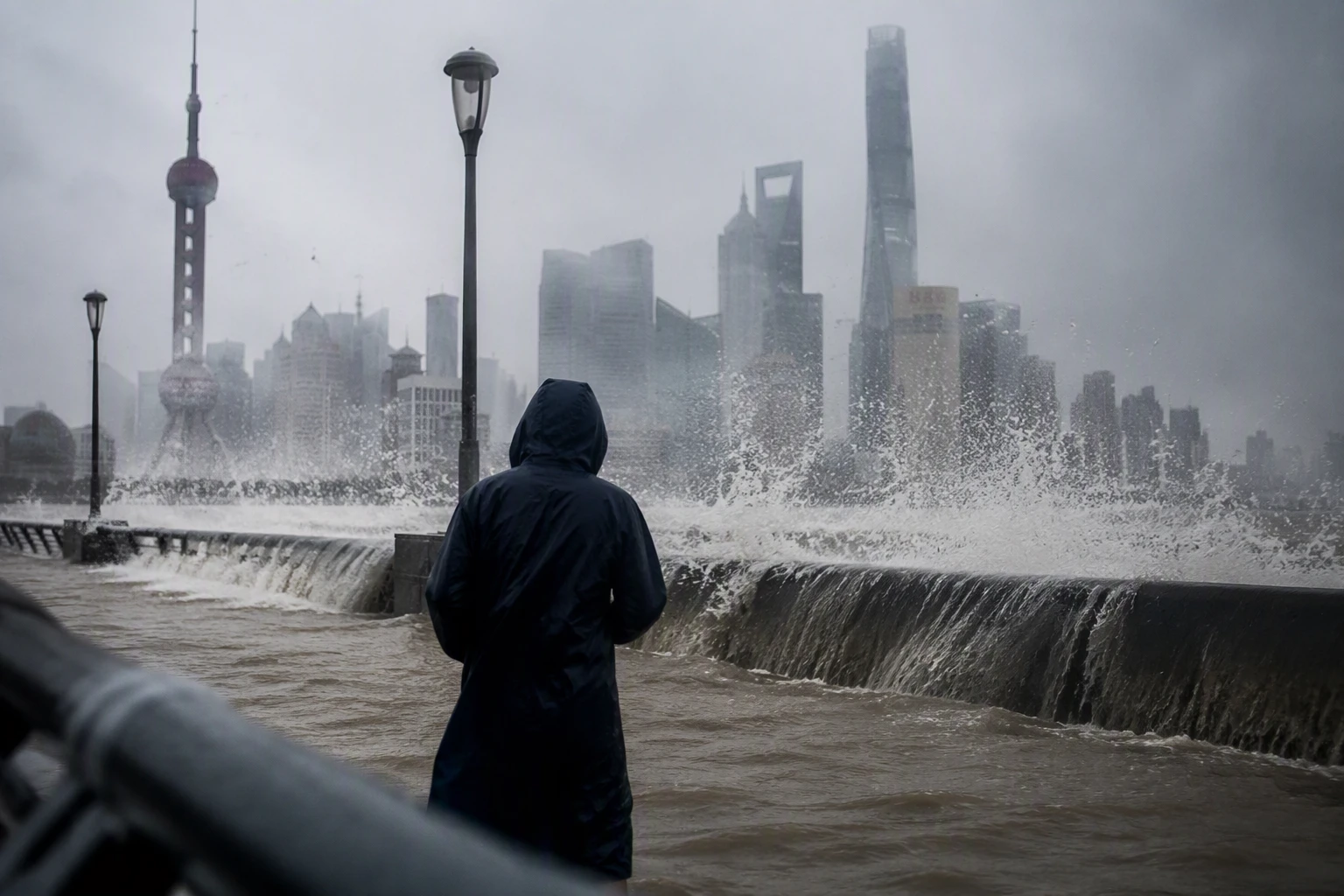
Air travel took an immediate hit. Al Jazeera said more than 1,600 flights were canceled as Dolphin approached China’s eastern coast, and Reuters-linked coverage said Shanghai airports grounded roughly 950 to 1,300 flights. Some reports put evacuations at more than 1 million people from threatened areas, reflecting the scale of the precautionary moves as the storm bore down on densely populated coastal provinces.
Authorities warned of severe flooding and landslides in several areas, and the China Meteorological Administration issued flood warnings as the storm approached. Some coverage said Dolphin was forecast to move farther inland toward Hubei and Henan, extending the threat beyond Zhejiang province and the Shanghai region. That inland track matters because the risk does not end when the winds weaken; saturated ground, swollen rivers and overwhelmed drainage systems can keep producing damage long after landfall.
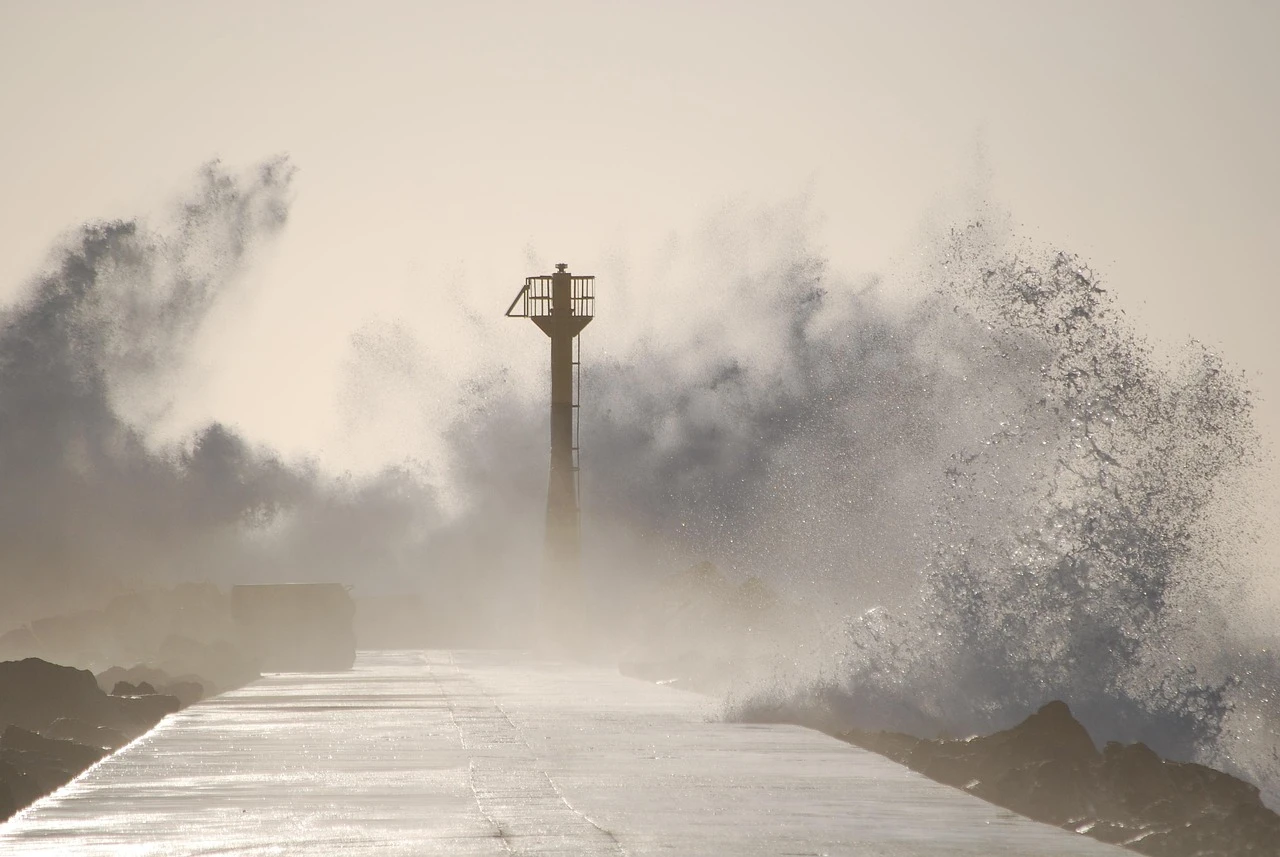
Eastern China is especially exposed because it combines dense cities, manufacturing centers and major shipping corridors with low-lying land and a long coastline facing the western Pacific. When storms shut roads, delay cargo and ground flights, the cost is not limited to one city. Ports slow down, factories miss deliveries, and rescue crews are forced to juggle flooded streets, drainage failures and waterlogged neighborhoods at the same time.
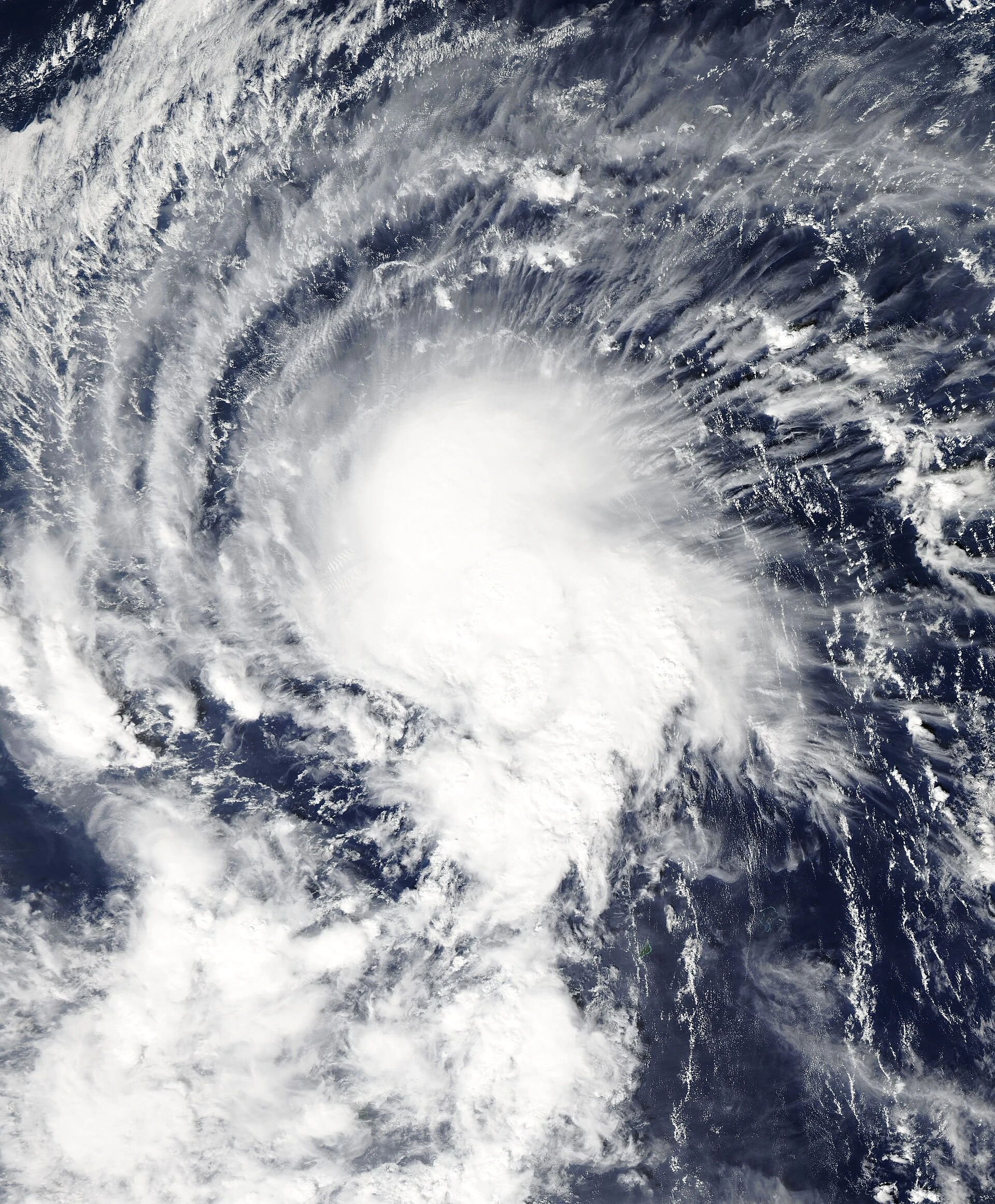
The pattern was not new. On July 28, 2025, Al Jazeera reported that heavy rains killed four people in China and flood warnings were issued in 11 provinces. Dolphin added another round of pressure to a region already used to repeated weather emergencies, showing how quickly seasonal rain and tropical systems can turn routine infrastructure stress into a broader disruption.
Sources
- [1]apnews.com
- [2]thehill.com
- [3]aljazeera.com
- [4]reuters.com
- [5]cnbc.com
- [6]whec.com