World
UAE agrees to unlock billions for Iran after attacks, Reuters says
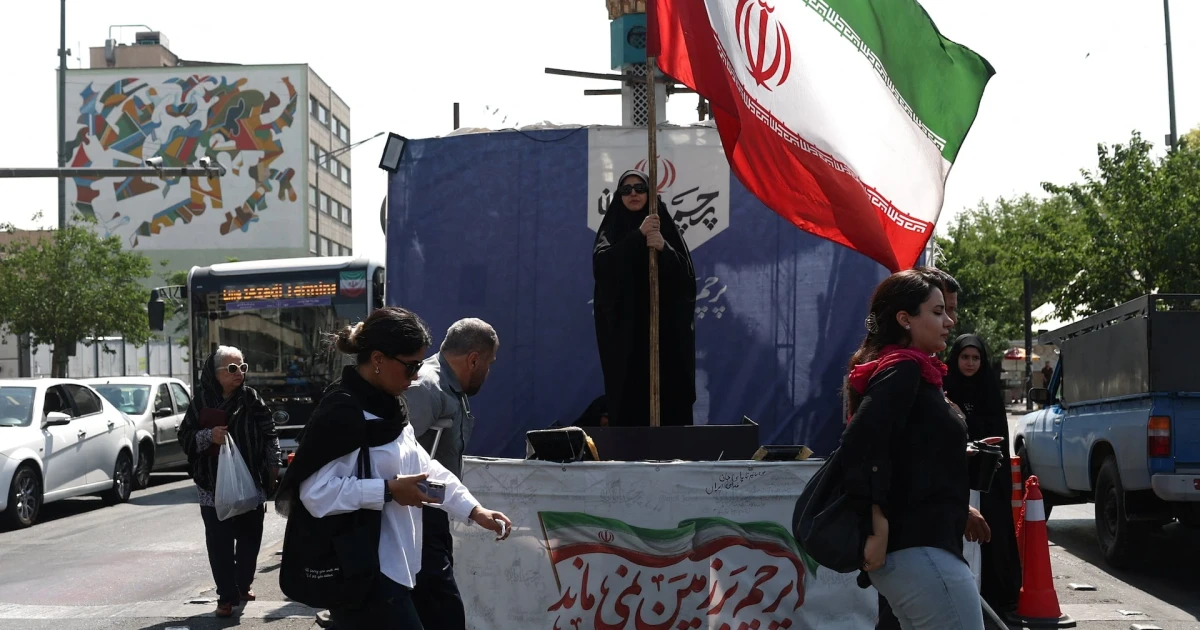
The United Arab Emirates has agreed to unlock billions of dollars for Iran after weeks of Iranian attacks on the Gulf state, a move that underscores how far the region has drifted from the old pressure-first campaign against Tehran. The arrangement, if it holds, would signal that Gulf governments are increasingly prioritizing de-escalation and self-protection over strict alignment with Washington’s sanctions line.
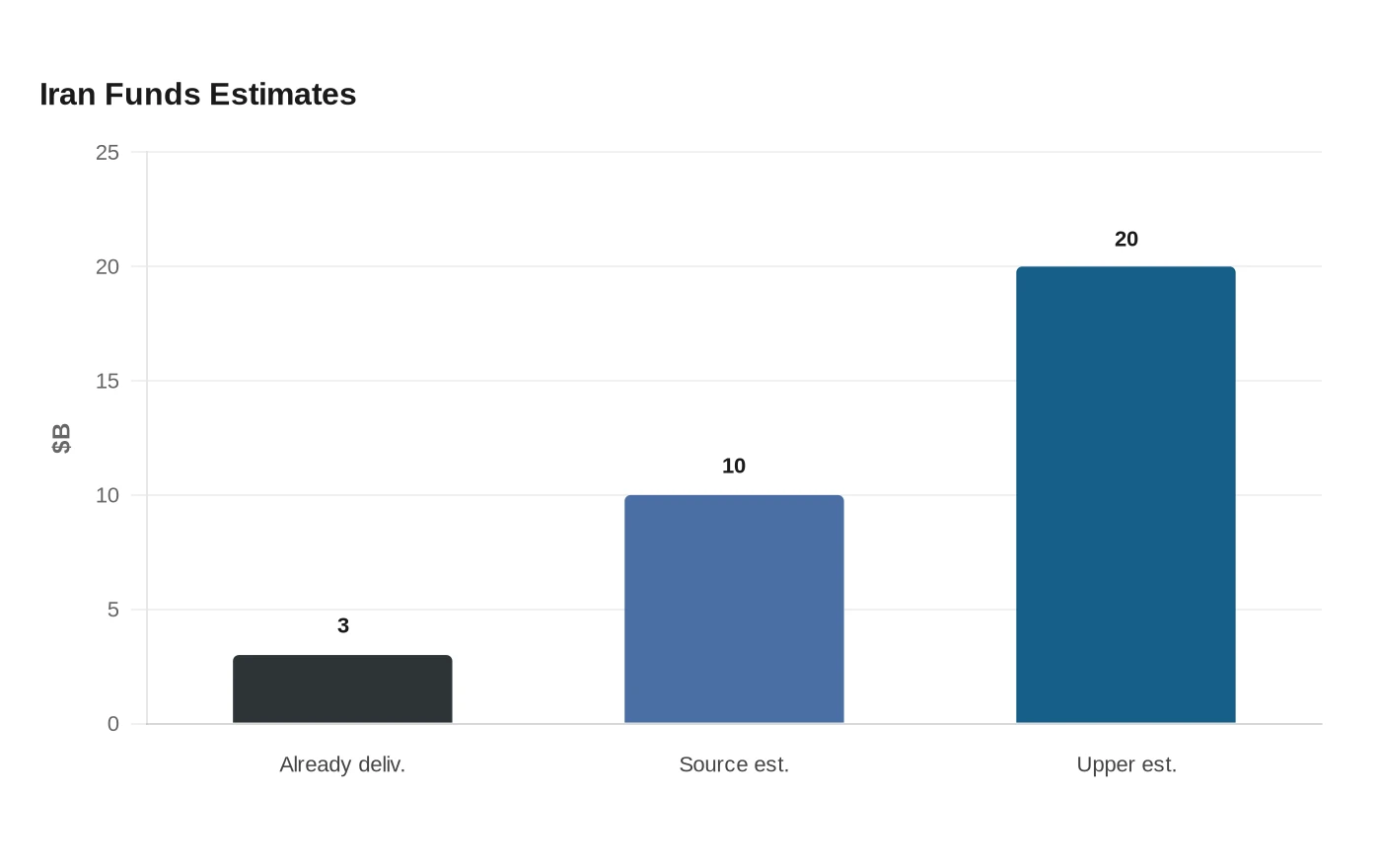
Two regional sources put the amount at $10 billion, with more than $3 billion already delivered, while two others said the total could reach $20 billion. The uncertainty over whether the money belongs to the UAE itself or to long-frozen Iranian funds held in the UAE banking system or elsewhere matters because it points to more than a simple transfer. It suggests a blend of security bargaining, sanctions relief and political signaling at a moment when Tehran and Washington have been inching toward broader talks on ending the war.
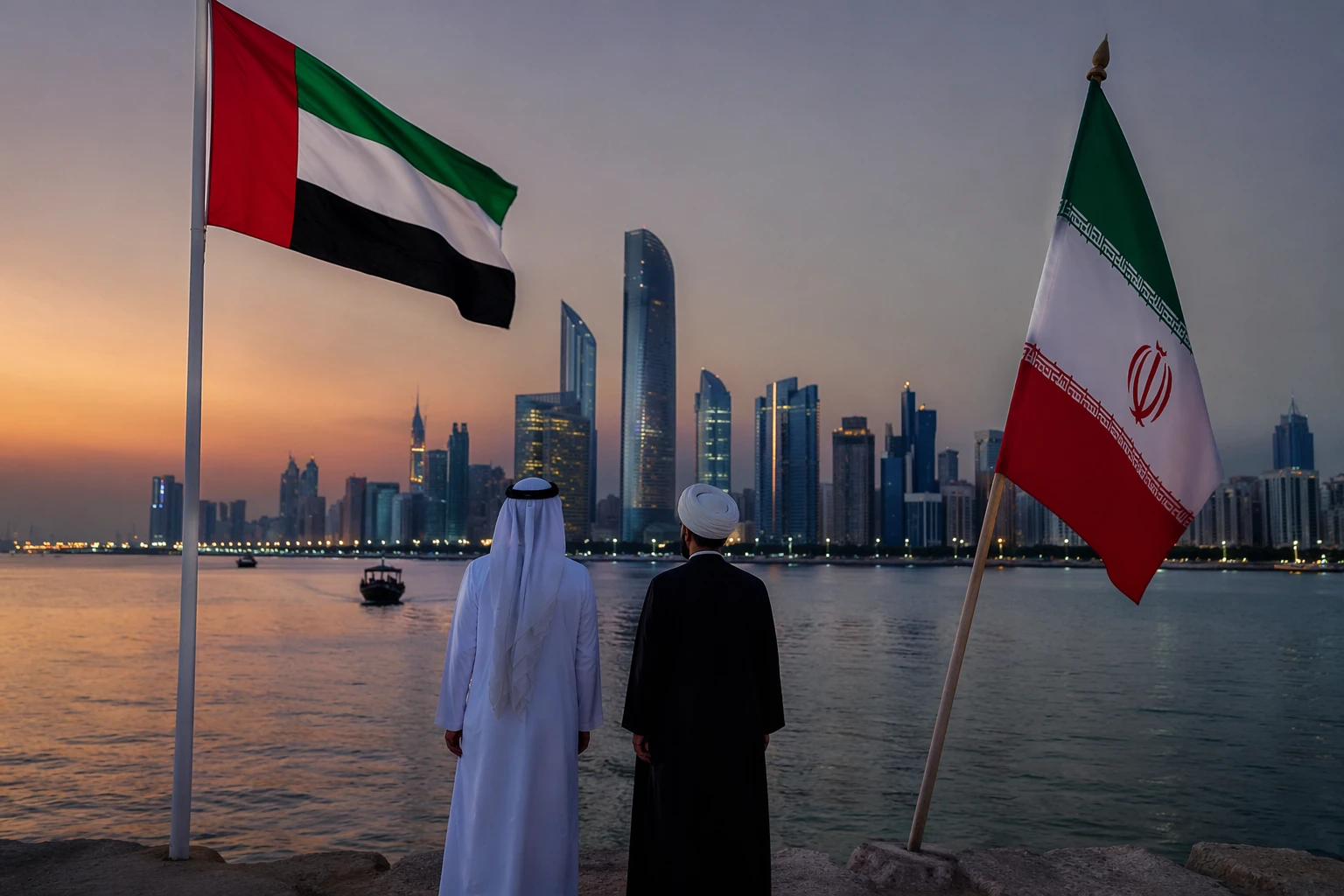
For the United States, any such release would carry immediate leverage questions. If billions in blocked Iranian revenue can be mobilized through Gulf channels, pressure built through financial isolation becomes harder to sustain. The UAE has long been a critical node in enforcement efforts. The Financial Crimes Enforcement Network said in 2024 that Iranian shadow-banking networks are connected across continents, most prominently through the UAE, Hong Kong and Singapore. In October 2024, the Treasury Department designated 10 entities and identified 17 vessels, including UAE- and Hong Kong-based entities, for transporting Iranian petroleum and petrochemical products.

The diplomatic backdrop is already brittle. Iran’s last direct attack on the UAE came on May 4. Before that, the UAE summoned Iran’s ambassador on March 2 and delivered a formal protest over Iranian attacks. Abu Dhabi later announced the closure of its embassy in Tehran and the withdrawal of its ambassador and mission staff after Iranian missile strikes targeted the UAE. Those steps showed how quickly the relationship had deteriorated, even as both sides left room for a tactical reset.
The UAE Foreign Ministry denied on June 13 that any frozen Iranian funds had been released, transferred or facilitated through the country. It said its foreign policy remains focused on de-escalation, reducing tensions and supporting stability and U.S.-backed efforts to protect civilians from the consequences of conflict. That denial does not erase the strategic signal: Gulf states are hedging, not waiting, and the anti-Iran pressure campaign that once defined the region is giving way to a far more transactional order.
Sources
- [1]yahoo.com
- [2]usnews.com
- [3]mofa.gov.ae
- [4]wam.ae
- [5]fincen.gov
- [6]home.treasury.gov
- [7]state.gov