World
UAE Conducted Covert Strikes on Iran Amid Rising Tensions
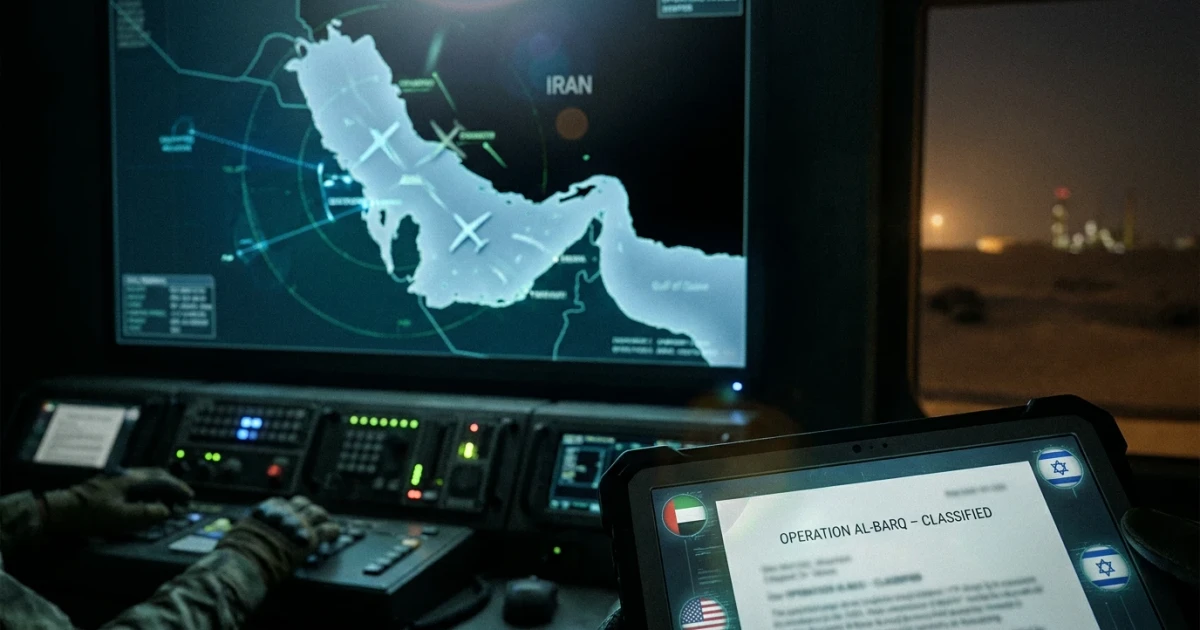
The United Arab Emirates (UAE) has emerged as a key, though previously undisclosed, player in the ongoing military tensions with Iran, conducting dozens of covert airstrikes on Iranian targets. According to a recent report by The Wall Street Journal, these operations were carried out with support from both the United States and Israel, reflecting a significant shift in the regional security landscape.
Covert Operations: UAE's Expanding Military Role
The UAE Air Force is known for its advanced aircraft and operational capabilities, but its involvement in direct action against Iran marks an escalation beyond its traditional defense posture. WSJ reported that the UAE executed dozens of airstrikes against Iranian targets, a move that was coordinated with US and Israeli intelligence and logistical support. The strikes targeted military infrastructure and assets, aiming to constrain Iran’s ability to project power in the Gulf.
- UAE airstrikes were conducted covertly, avoiding public disclosure until recently.
- Operations were supported by US and Israeli military resources, including intelligence sharing and refueling assets.
- The strikes focused on Iranian military sites believed to contribute to regional instability.
Regional Context: Tensions and Alliances
These airstrikes took place amid mounting tensions between Iran and its Gulf neighbors, particularly following a surge in Iran's missile program and provocative military maneuvers in the Strait of Hormuz. While Israel’s involvement in such operations has long been acknowledged, the revelation of UAE’s direct role indicates a deepening collaboration among US-aligned states in the region.
The UAE’s actions were reportedly motivated by growing concerns over Iranian missile capabilities, which have expanded in range and sophistication in recent years. According to defense analysts, this coordinated approach represents both a deterrence measure and a response to perceived threats against UAE and allied interests.
International Implications and Legal Dimensions
US support for the UAE strikes, as indicated by defense officials, included intelligence, aerial refueling, and logistical assistance. Official records from the U.S. Department of Defense highlight ongoing military contracts and cooperation with the UAE, underpinning a robust alliance. This partnership has been instrumental in enabling the UAE’s operational reach.
However, the covert nature of these operations raises questions about compliance with international law and United Nations Security Council resolutions, including those outlined in UNSC 2231 regarding Iran sanctions. Diplomatic observers note that while the strikes were justified by the UAE as defensive, their secret execution could complicate efforts to maintain transparency and accountability in regional security affairs.
Strategic Analysis: Shifting Balance of Power
The newly revealed UAE strikes underscore a broader shift in Gulf military dynamics. According to data from the IISS Military Balance, the UAE has invested heavily in advanced air platforms and precision munitions, positioning itself as one of the most capable forces in the region. Combined with the technological and intelligence assets of the US and Israel, this trilateral cooperation is likely to influence future deterrence strategies.
Defense analysts suggest that the UAE’s willingness to conduct direct operations against Iran signals a new assertiveness, potentially reshaping the calculus for both Iranian and US-aligned actors in the Gulf. While the full scope of damage and Iranian response remains unclear, the revelation of UAE involvement is expected to reverberate through diplomatic and military channels.
Looking Forward
As tensions persist, the UAE’s secret strikes on Iran may prompt further scrutiny of Gulf security partnerships and the evolving methods of regional conflict. The exposure of these operations points to a need for greater transparency and dialogue among all involved parties. Military observers will be watching closely to see how Iran responds and whether this marks the beginning of more overt UAE participation in future security challenges.