Business
UAE Exits OPEC Amid Regional Turmoil and Oil Market Uncertainty
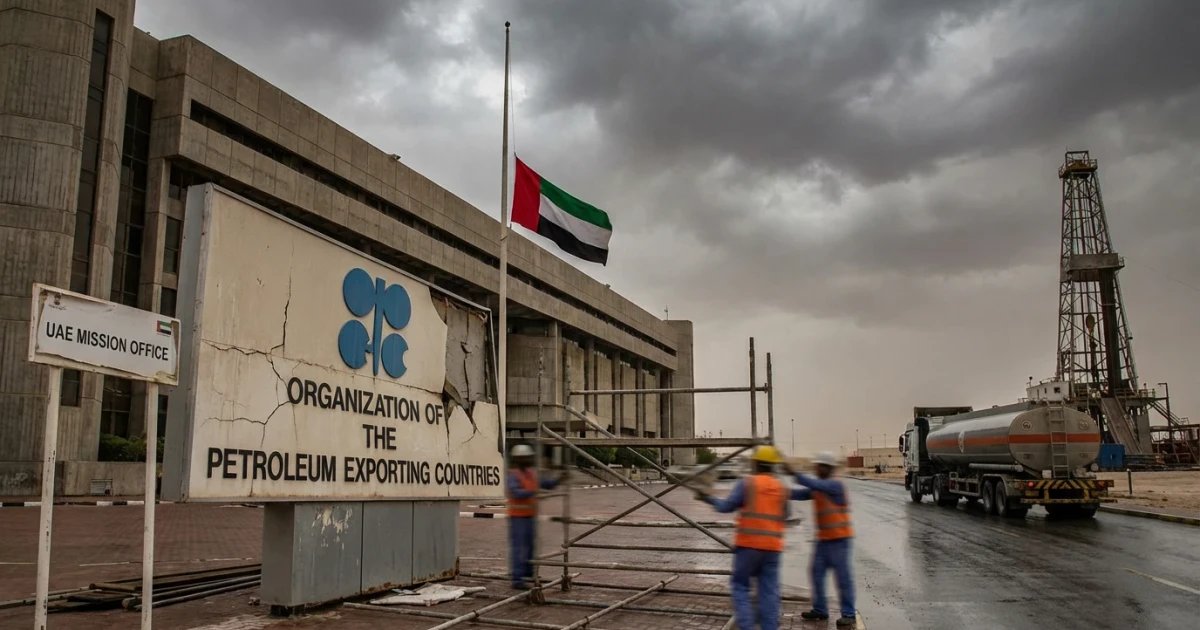
The United Arab Emirates (UAE) has announced its departure from the Organization of the Petroleum Exporting Countries (OPEC), a move that reverberates across international energy markets already rattled by the ongoing war in Iran and heightened regional tensions.
UAE's Strategic Shift
The UAE’s exit marks a pivotal shift for both the country and OPEC, the influential oil cartel that has steered global crude supplies for over six decades. CNN reported that the decision comes amidst rising instability across the Middle East, with the Iran conflict amplifying concerns over energy security and supply disruptions.
The UAE is one of the world’s top oil producers, with oil exports and revenues playing a central role in its economy. According to the OPEC Monthly Oil Market Report, the UAE produced approximately 3.3 million barrels per day in recent years, accounting for a significant share of OPEC’s total output. Its departure reduces the group’s collective market power and signals a major reshuffling within the organization.
Impact on Global Oil Markets
The timing of the UAE’s withdrawal coincides with the Iran war, which has already disrupted supply routes and increased volatility in oil prices. Market analysts note that OPEC’s ability to coordinate output and stabilize prices depends heavily on unity among its members. The loss of the UAE—a major producer with spare capacity—challenges OPEC’s cohesion and could lead to greater price swings.
- The BP Statistical Review of World Energy highlights the UAE’s role as the world’s seventh-largest crude oil exporter, with a well-established infrastructure for global shipments.
- The U.S. Energy Information Administration underscores that oil and gas revenue accounts for about 30% of the UAE’s GDP, underscoring the economic stakes involved in this decision.
With the Iran war causing further disruptions to production and export routes, the UAE’s decision adds another layer of uncertainty. The International Energy Agency’s latest Oil Market Report points to rising risks for global supply, especially as Middle Eastern conflicts escalate.
Factors Behind the UAE's Decision
CNN notes that the UAE’s move to leave OPEC comes after months of internal disagreements over production quotas and the country’s desire for greater flexibility in managing its energy policy. Tensions with neighboring OPEC members have grown, particularly as the UAE seeks to expand its market share and invest in alternative energy sources.
The IMF’s 2023 Article IV Consultation Report highlighted the UAE’s efforts to diversify its economy, invest in renewable energy, and reduce its dependence on oil revenues. By stepping away from OPEC’s strict production limits, the UAE can respond more nimbly to market conditions and pursue its national interests.
OPEC’s Changing Landscape
The UAE’s exit raises questions about OPEC’s long-term viability and effectiveness. According to analysis from the Oxford Institute for Energy Studies, the group has struggled in recent years to maintain discipline among members and adapt to changing market dynamics. The loss of a key player like the UAE could encourage other members to reassess their commitments, further weakening the cartel’s influence.
For now, OPEC faces the dual challenge of navigating internal fractures and responding to external shocks, including the fallout from the Iran war and shifting global demand patterns.
Looking Ahead
As the UAE charts an independent course, global energy markets will be watching closely for signs of shifting alliances, new supply agreements, and changes in pricing power. The country’s robust infrastructure and financial reserves may help cushion the transition, but the broader implications for OPEC and the stability of oil markets remain uncertain.
The decision underscores the complex interplay between geopolitics, energy policy, and economic strategy in one of the world’s most critical regions for oil supply. With Middle Eastern tensions still high and energy markets on edge, the full impact of the UAE’s departure from OPEC will unfold in the months ahead.