Business
UAW reaches deal with Dauch Corp. after 10-day strike
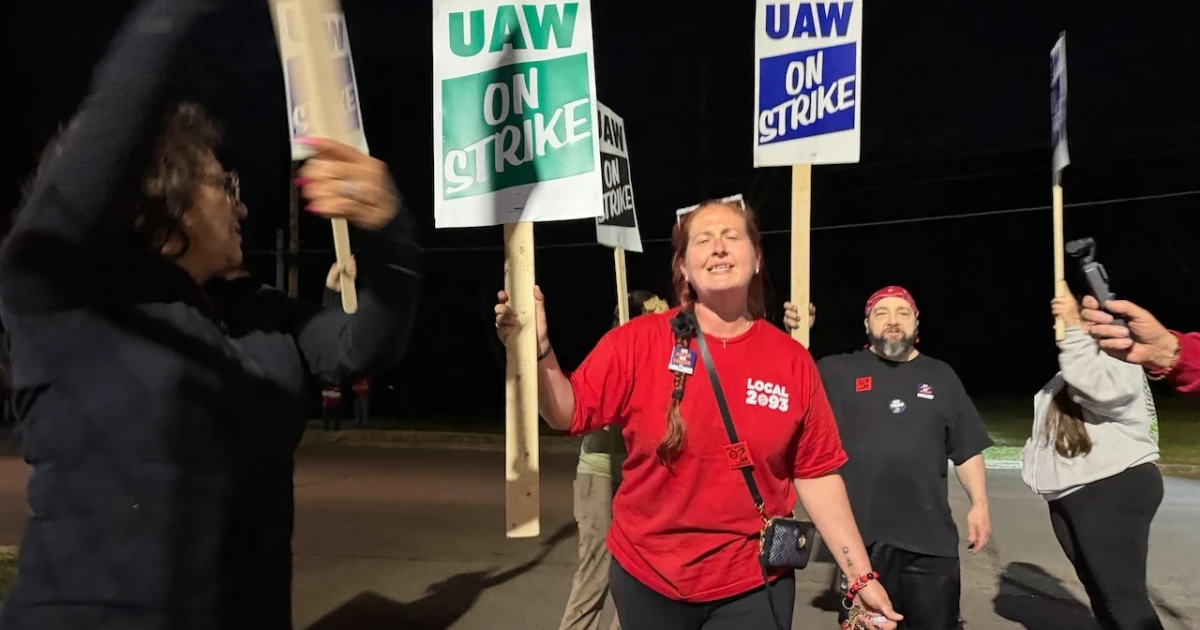
A relatively small axle plant in Three Rivers, Michigan, briefly put General Motors truck production at risk, showing how leverage in auto labor fights has shifted to critical suppliers far from the biggest assembly lines. The United Auto Workers said it reached a tentative deal with Dauch Corp. after a 10-day strike that ended a stoppage involving roughly 1,000 represented workers.
UAW President Shawn Fain announced the agreement on Wednesday, but the deal still must be ratified by workers before it becomes final. The walkout began at 12:01 a.m. on Monday, June 1, after Local 2093 members launched what the union described as an unfair labor practice strike when the company failed to offer a new contract before the deadline. Because the plant supplies axles for GM’s full-size and midsize trucks, the strike drew attention well beyond the factory gate in southern Michigan.
The tentative four-year agreement appears to deliver the core union demands that animated the dispute. It raises top pay to $30 an hour by 2030 from about $22 an hour now, a gain of roughly 36%. It also adds improved vacation and holiday benefits while keeping healthcare premium costs flat. Nearly 1,000 workers are expected to vote on the pact in the coming days, keeping the outcome dependent on rank-and-file approval.
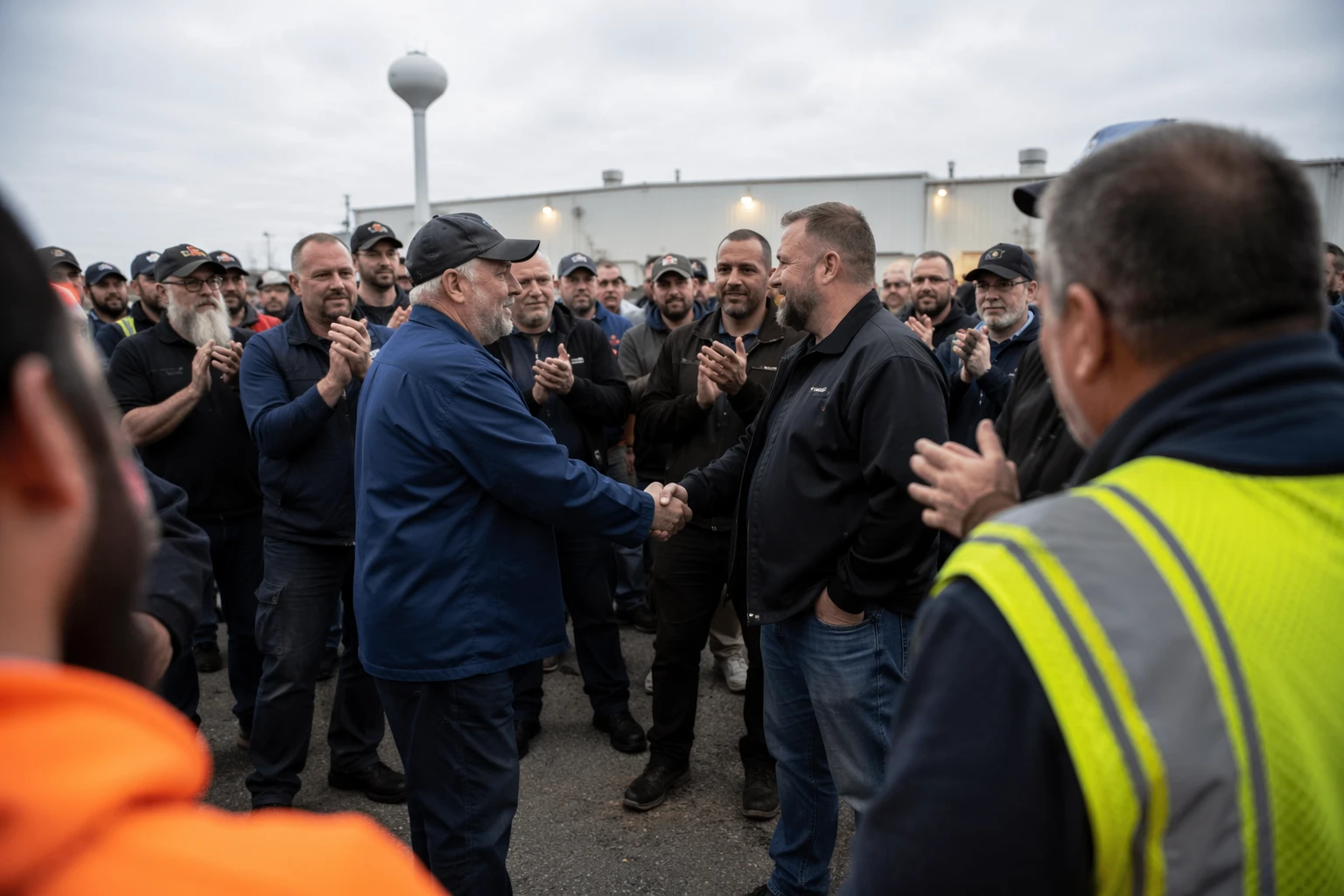
The settlement matters because it came before GM’s axle inventory buffer was fully exhausted, limiting the chance of immediate disruption to pickup assembly. That makes the strike a case study in the UAW’s post-2023 strategy under Fain: instead of only confronting the largest automakers head-on, the union has shown it can squeeze pressure points deeper in the supply chain, where a few hundred or a thousand workers can still affect high-margin vehicle programs.
The company itself has also been in transition. American Axle & Manufacturing Holdings changed its name to Dauch Corporation effective January 26, 2026, and began trading on the New York Stock Exchange under the ticker DCH on February 5. The name change did not alter existing contracts with customers or suppliers, which helps explain why the Three Rivers dispute continued to reverberate through the GM supply chain even after the rebrand.
Dauch said it appreciated the efforts of both negotiating teams to find common ground. For the UAW, the tentative deal offers a modest but meaningful win at a smaller plant whose output carries outsized importance in Michigan’s auto economy and beyond.
Sources
- [1]money.usnews.com
- [2]aam.com
- [3]sec.gov
- [4]yahoo.com
- [5]automotiveworld.com
- [6]msn.com
- [7]whbl.com
- [8]crainsdetroit.com