Business
Uber expands into travel and AV Labs to support robotaxi push
Uber is widening its app beyond rides and delivery, adding hotel bookings through Expedia, a “shop for me” concierge feature and boat rentals in parts of Europe as it pushes deeper into travel without trying to become a catchall super-app. Chief Product Officer Sachin Kansal said the company wants to stay selective even as it builds around transportation, food, shopping and lodging that already overlap in the same user journey.
The travel push is now central enough that Uber treats it as the third major pillar of the business alongside rides and delivery. Kansal said Uber has built around a huge volume of travel activity, including 1.5 billion trips a year that happen outside a user’s home city, a number that helps explain why the company thinks hotel stays, ground transport and trip planning belong inside the same app. The logic is straightforward: if users are already turning to Uber when they leave home, the company can try to capture more of the spending that follows them.
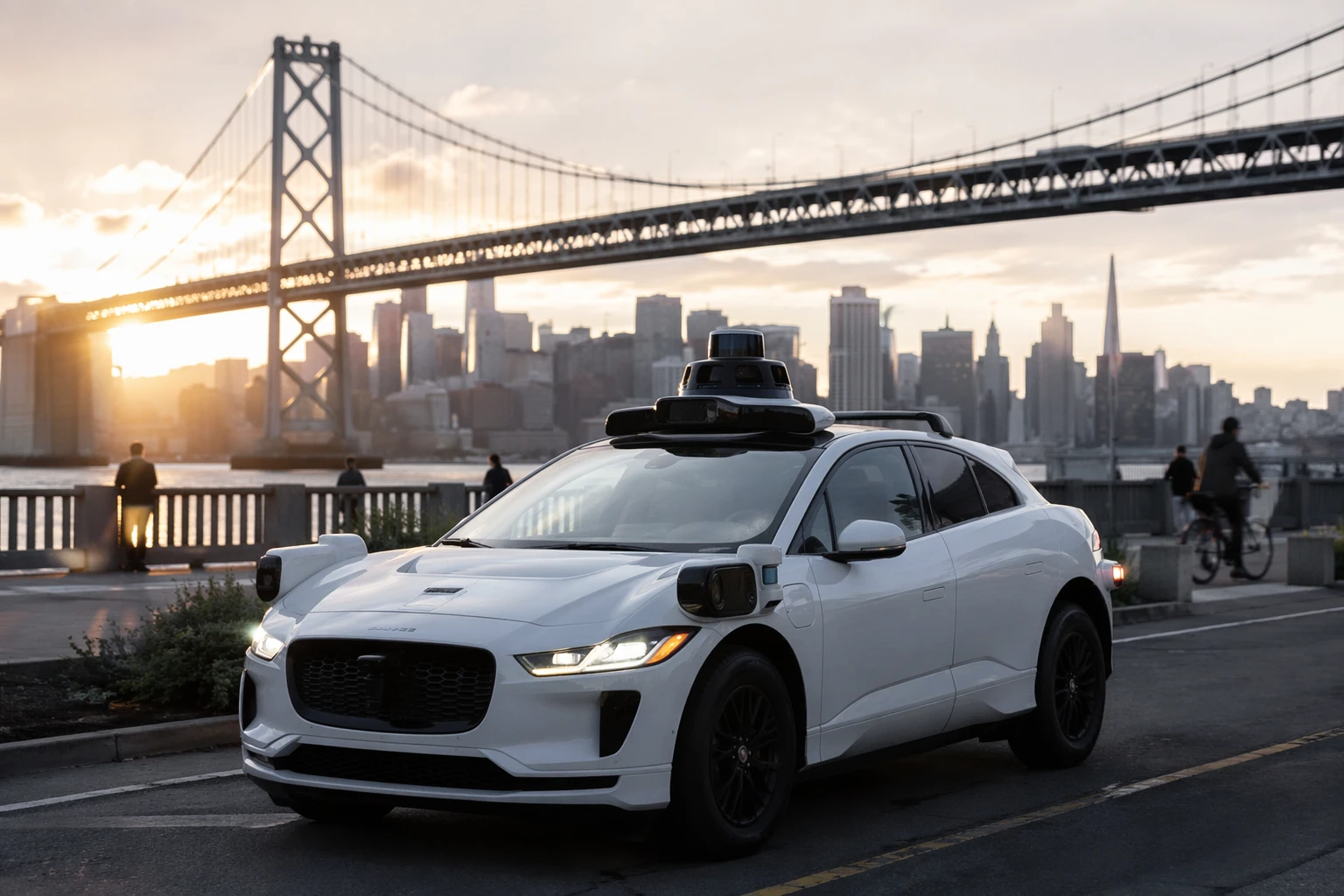
Uber is also building a less visible piece of its future in AV Labs, a unit that is about six months old and focused on autonomous-vehicle infrastructure. The group is assembling a fleet of sensor-equipped vehicles that sits outside Uber’s regular driver network and is designed to collect richer driving data. That data could give Uber more leverage as it works with robotaxi partners, especially in a market where Uber has equity stakes in some autonomous-vehicle companies while competing directly with others, including Waymo.
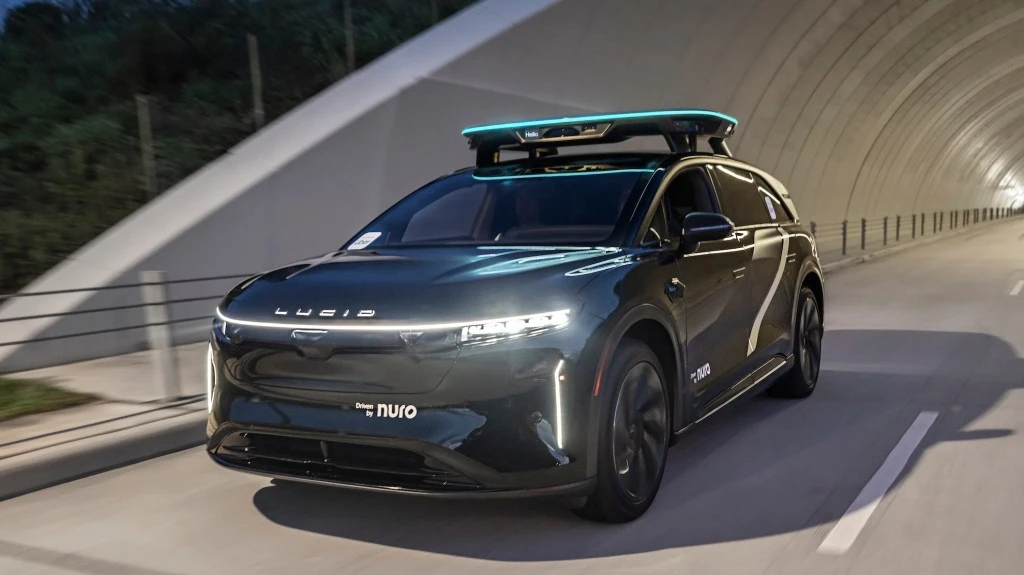
That balancing act matters because Uber is trying to be both a distribution platform and an infrastructure layer in the AV economy. The company’s role is not limited to connecting riders with cars anymore; it is also trying to shape the data, tools and operating environment that autonomous fleets will need. Owning more of that layer could strengthen Uber’s hand as robotaxis move closer to commercial scale.
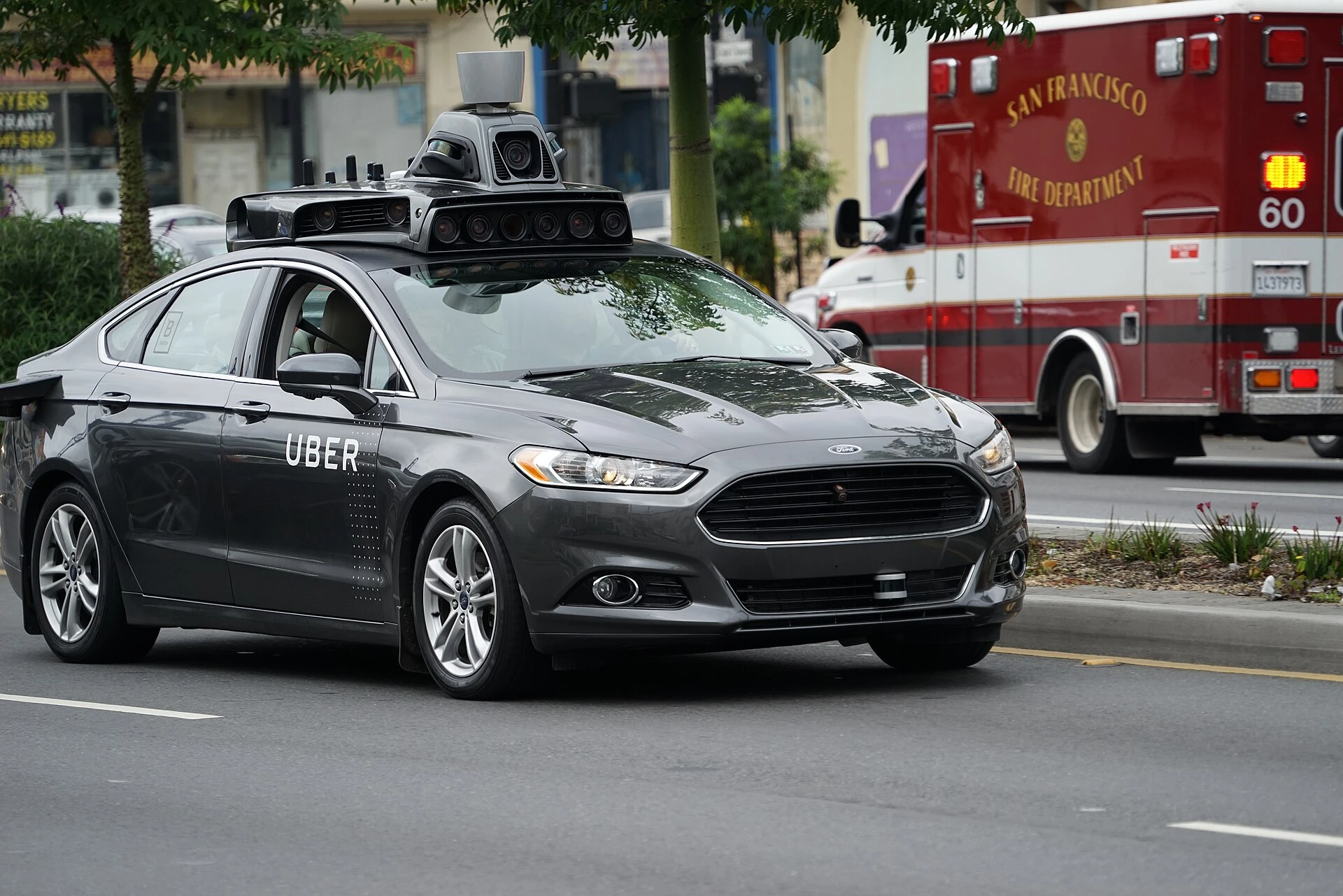
Artificial intelligence is expected to support both sides of the strategy, from consumer-facing features to the operational systems that help drivers and partners. The result is a broader product map that still has to look like Uber, not a sprawling marketplace built to be “everything for everyone.” The company’s next phase depends on whether it can add services that feel connected to the ride-hailing core while keeping the app coherent enough for millions of users to trust as a travel utility.