US News
Uber sues New York City over driver deactivation law
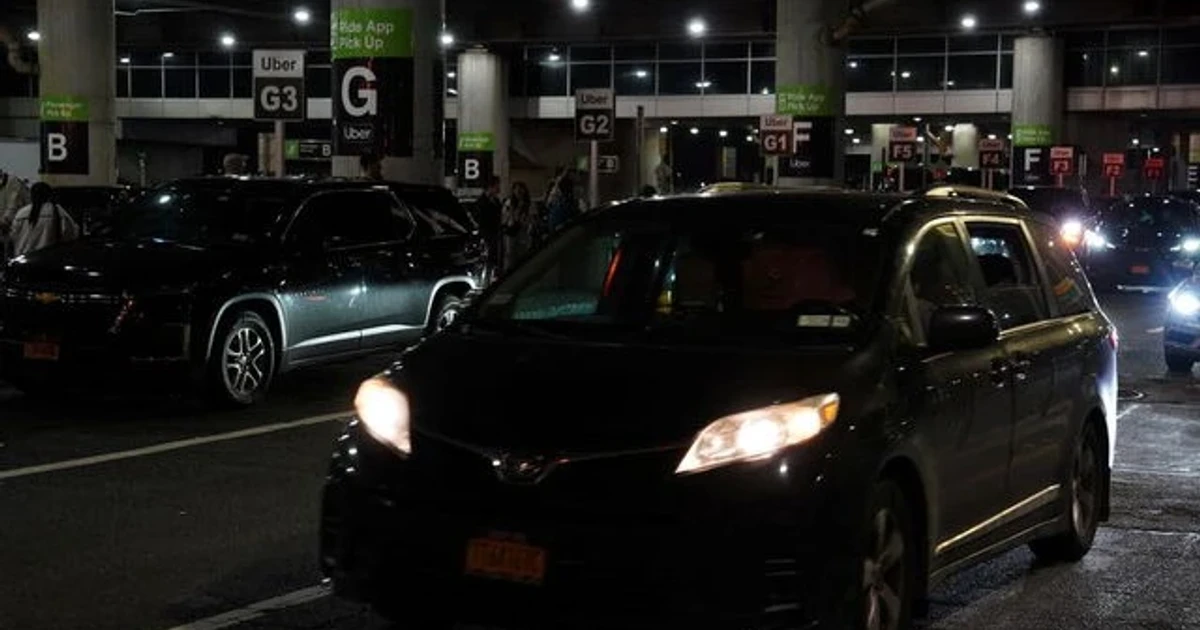
Uber’s lawsuit against New York City turned a local deactivation rule into a national test of whether gig workers can get due-process protections before losing access to their livelihoods. Filed in Manhattan federal court on June 10, the complaint seeks a permanent injunction, costs and an order blocking Local Law 52 of 2026 before it takes effect on July 28.
The city rule, approved by the City Council in a 46-5 vote in January, would generally require large ride-sharing companies such as Uber and Lyft to show a bona fide economic reason or just cause before dismissing drivers. The law includes exceptions for account sharing, fraud and egregious misconduct, including violence, sexual harassment, assault and discrimination. Supporters say the measure is designed to stop wrongful deactivations and protect drivers from being cut off without a fair explanation.
Uber says the law goes too far. In its complaint, the company argues the measure would violate federal and state constitutional protections, including free speech and due process, by forcing it to keep drivers it does not want on the platform. Uber also says the city would be intruding on its ability to protect riders and manage its network, turning discipline and removal decisions into a legal contest instead of a business judgment.
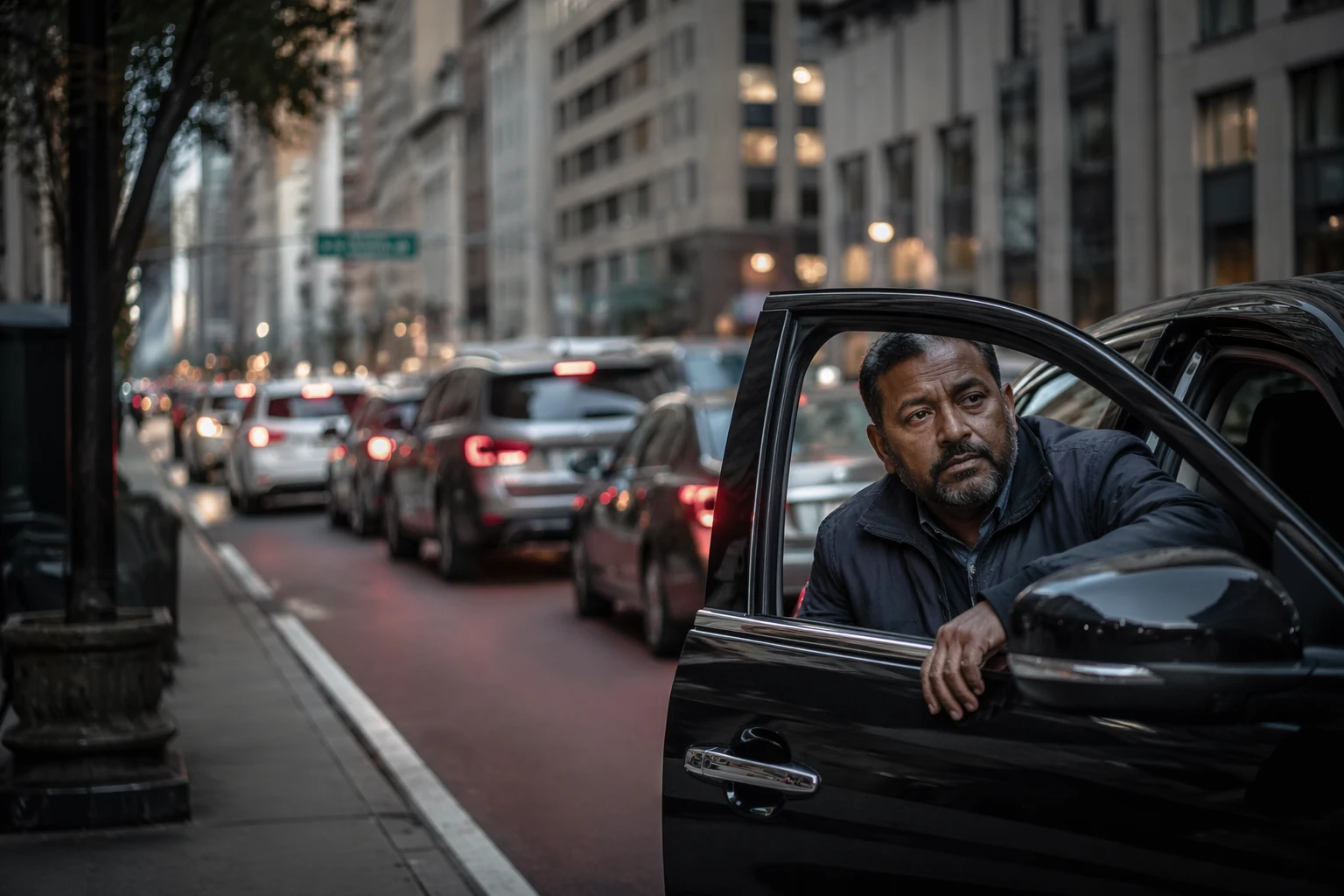
The company objected to the law’s 14-day notice requirement, saying it could give drivers time to retaliate. Uber also challenged provisions that would require records to be disclosed to accused drivers, warning that the disclosure could compromise passenger privacy. The city law department said it was reviewing the complaint.
The dispute lands in the middle of a broader fight over who controls the modern gig economy, the platform or the worker. For driver advocates, the law is a guardrail against arbitrary removals that can destroy income overnight. For Uber, it is a safety and fraud-enforcement problem, because the company says it must be able to move quickly when it believes a driver poses a threat or has engaged in abuse.
The stakes are sharpened by the backdrop of sexual-misconduct litigation involving Uber drivers, which had reached 3,571 lawsuits nationwide as of June 1. With that context, the New York case is likely to be watched far beyond the city limits, because it could help define how much process a platform must give before it cuts off a worker’s account and the pay that goes with it.
Sources
- [1]usnews.com