Politics
Uber, Waymo clash over Washington D.C. robotaxi bill
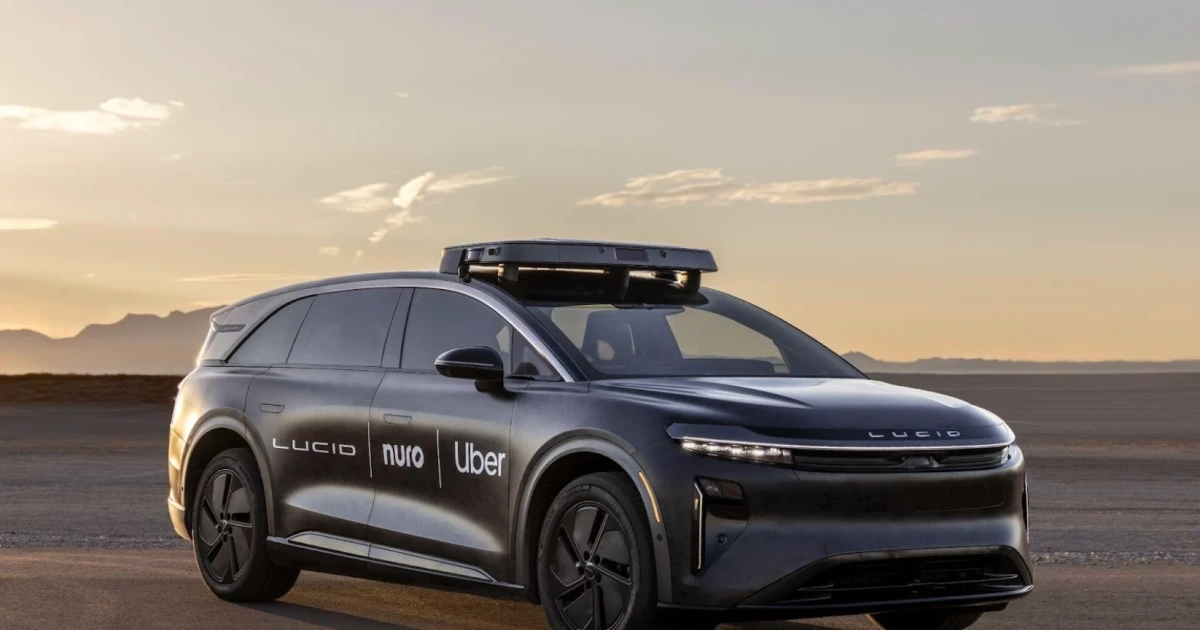
The D.C. Council will hear Bill 26-684 on July 13, 2026, as Uber and Waymo press competing visions for who should control the rollout of robotaxis in the capital. The Autonomous Vehicle Deployment Authorization Amendment Act of 2026 would create a Commercial Autonomous Vehicles Program inside the District Department of Transportation and open the door for certain autonomous vehicles to carry passengers and goods in the city.
Introduced on May 1 by Councilmember Charles Allen with Councilmembers Brooke Pinto and Matthew Frumin, the bill would require permits, data reporting, penalties for noncompliance and a vehicle-miles-traveled tax. The proposal is meant to create a path for autonomous rideshare service while dealing with safety, congestion, liability, workforce displacement, equity, transit connections and first-responder readiness.
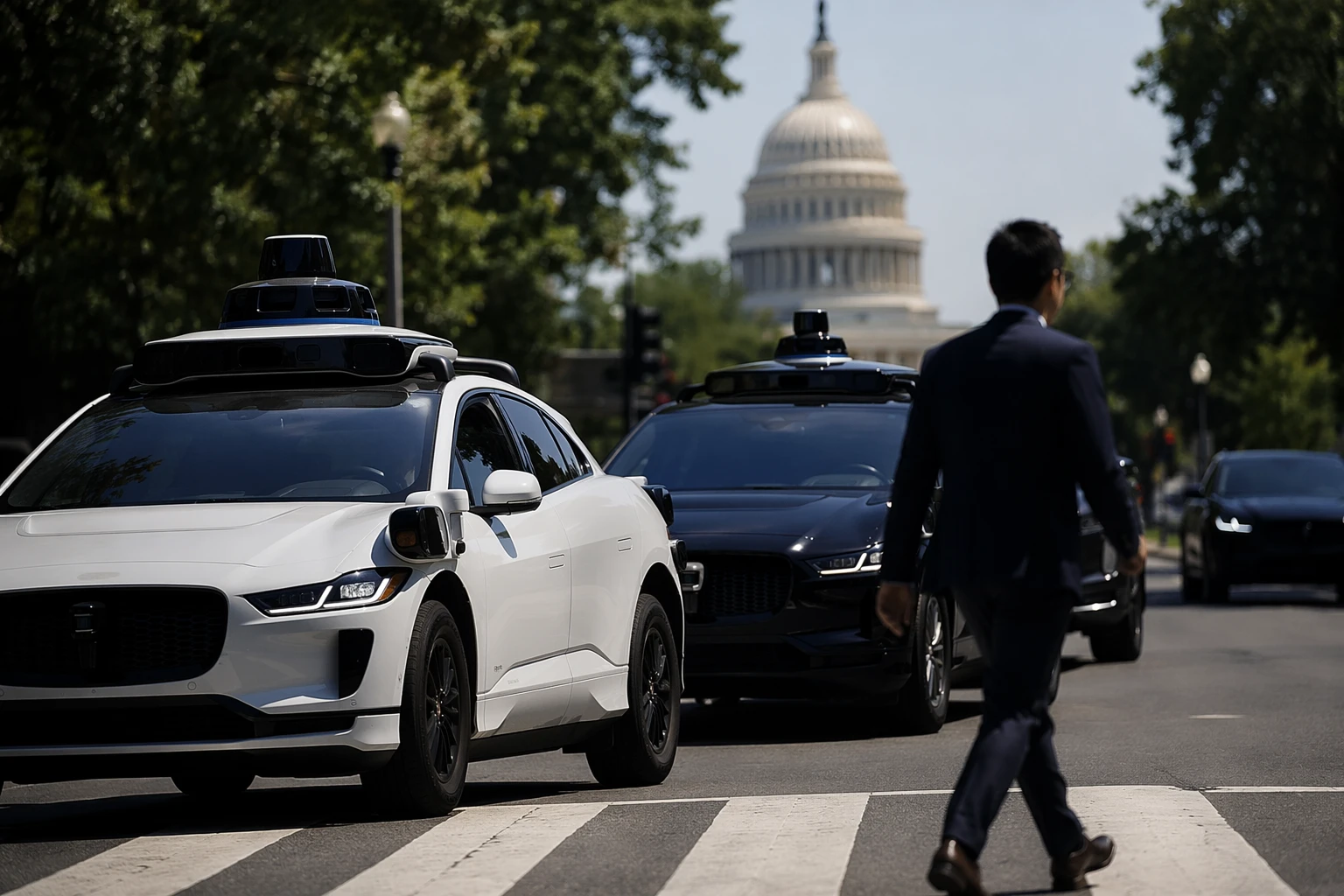
Months of delay preceded the hearing. In October 2025, Allen would not move forward until DDOT finished a safety study, but congressional budget cuts eliminated the study’s funding. The District later restored the money, though the timing of the work remained unclear. Waymo and Zoox have been allowed to test in Washington only with a human safety operator in the vehicle.
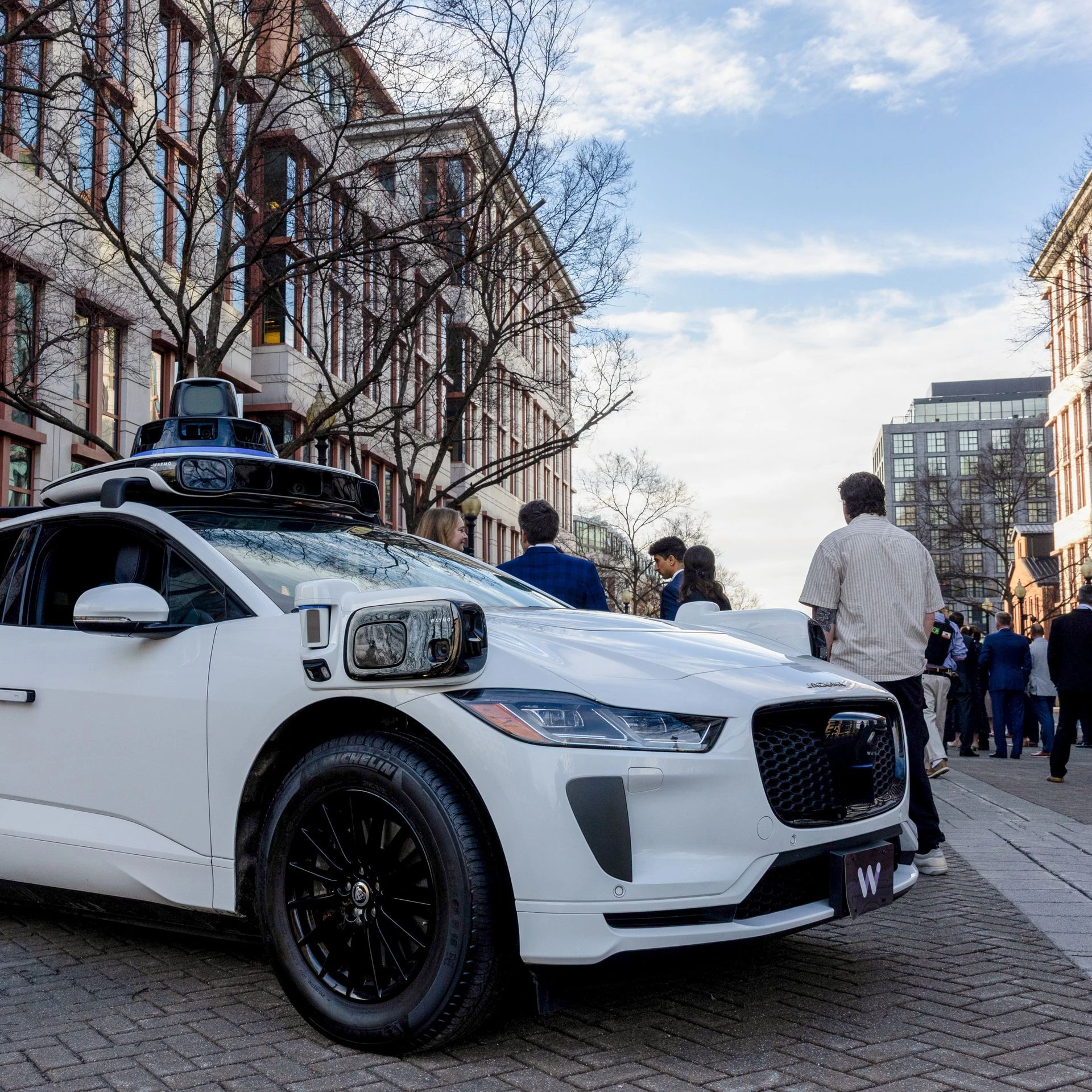
Uber is pushing back hard. The company argues the bill would displace for-hire human drivers and hand Waymo a de facto monopoly. It has instead called for a hybrid framework that would require robotaxis to operate on a network that also includes human drivers. Uber policy chief Javi Correoso warned at a D.C. Council roundtable in May that a “flawed, first-party only regulatory approach” could disrupt a city. He also warned that robotaxis can add congestion when they idle or cruise empty and may not be able to provide the physical assistance some older or disabled riders need.
Waymo backed the bill and argued it would allow safe deployment while supporting public transit, equitable access and workers without limiting companies such as Uber. The Alphabet-owned company has been testing vehicles on D.C. streets since 2024 and had planned a 2026 launch, but the city had not made enough progress on new rules. Waymo is also building two D.C. service centers and would hire hundreds of workers if the District approves robotaxis.
Sources
- [1]techcrunch.com
- [2]finance.yahoo.com
- [3]legiscan.com
- [4]charlesallenward6.com
- [5]wusa9.com
- [6]axios.com