Health
UC San Diego tests humanoid robots for future surgeries
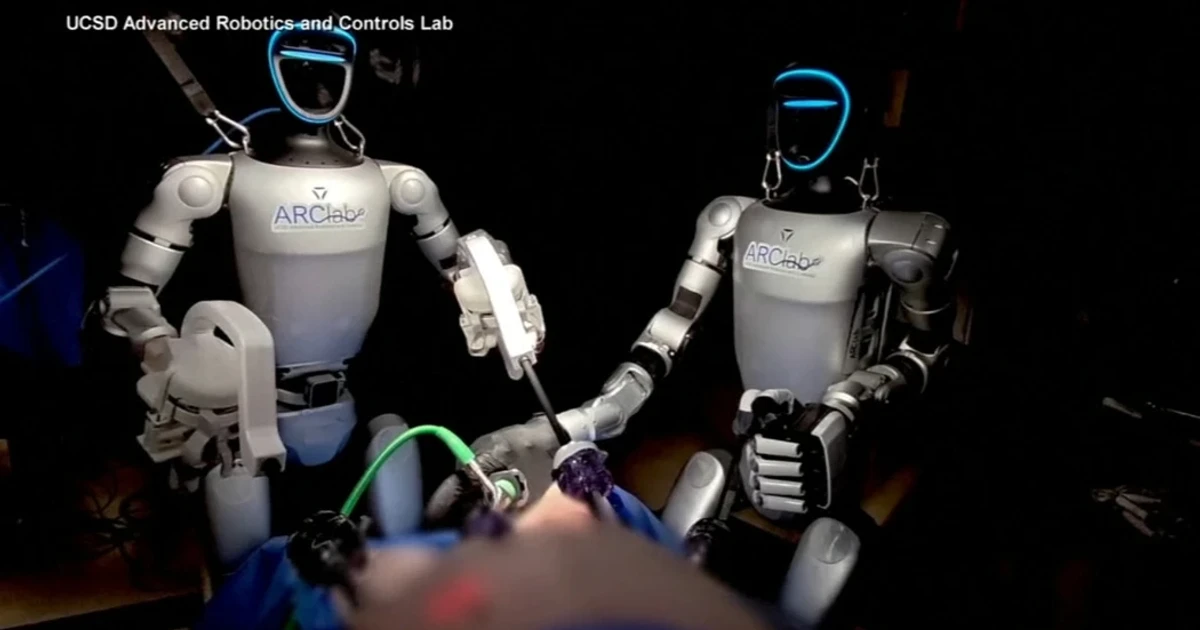
Two teleoperated humanoid robots completed two surgeries in a UC San Diego preclinical trial, including a gallbladder removal with a human surgeon assisting and a second operation carried out by two robots working side by side. The work, published July 8, 2026 in Nature, pushed humanoid systems out of the demo lane and into a controlled surgical test, though only in large non-primate mammals.
The experiment was designed as a reality check on what humanoid surgical robots can do today. UC San Diego researchers said the robots are being explored first as assistants in the operating room and later as teleoperated surgical systems, a longer path than the polished clips often used to sell robotic medicine. The Nature paper described the systems as capable of laparoscopic tasks through teleoperation, while also noting the technical challenges that still stand in the way.
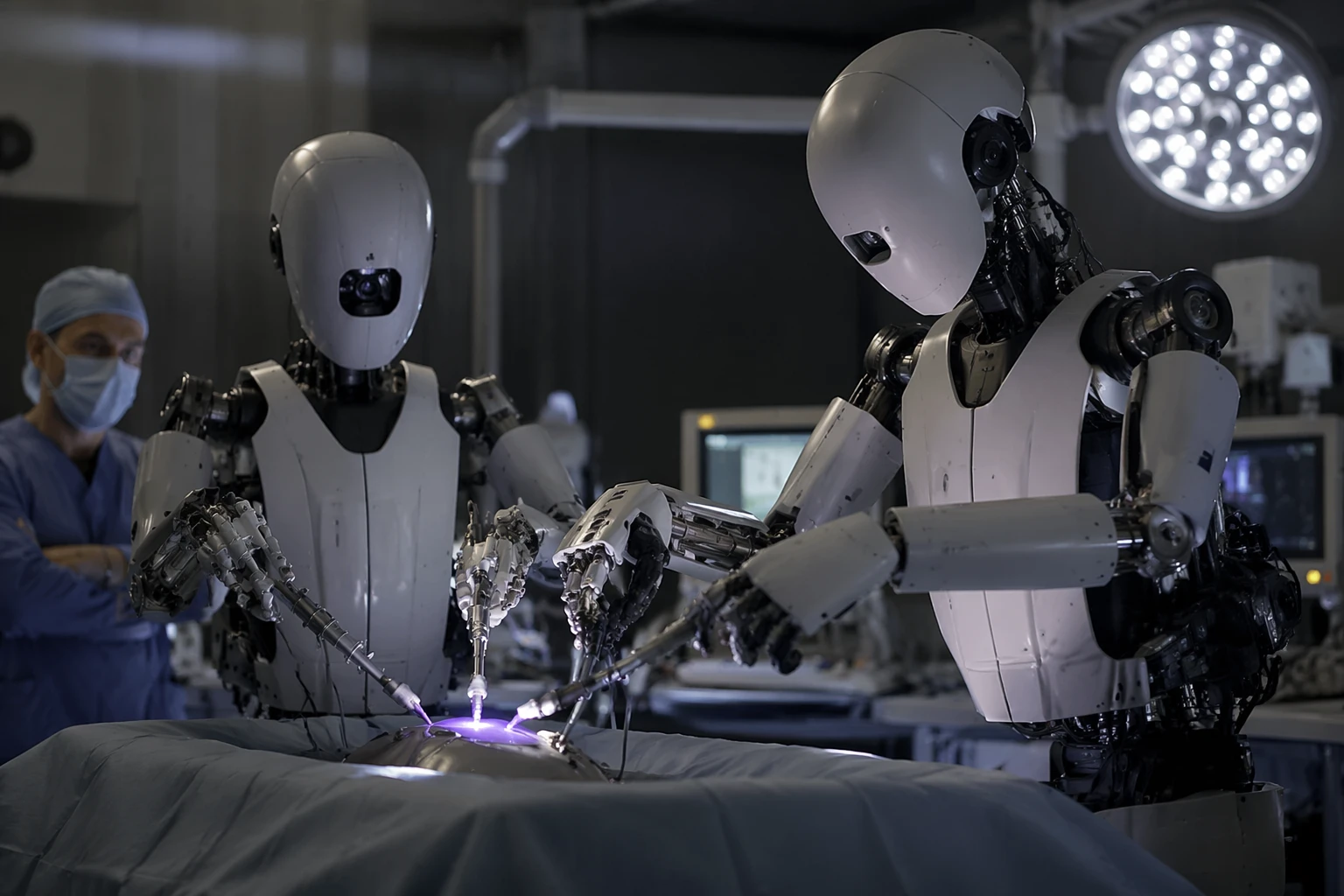
Michael Yip, a UC San Diego faculty member in electrical and computer engineering and a senior author on the study, said the technology could help ease surgeon shortages, long waits, canceled surgeries and gaps in access to care. He also pointed to communities far from major hospitals and austere settings such as search-and-rescue environments, where a more flexible robot might be easier to deploy than today’s specialized surgical platforms.
That comparison matters because UC San Diego said current surgical robots are typically large, expensive systems with multiple arms, proprietary software and major space requirements. The university said some weigh about 1,800 pounds and can require substantial operating-room retrofitting before they can be used. Humanoid robots, by contrast, are being pitched as more versatile and easier to move into different settings, but that promise still has to clear the hard questions of cost, training and responsibility when something goes wrong.

For now, the strongest evidence is still preclinical. The robots operated on animal models, not people, and the study showed feasibility rather than better outcomes, lower costs or shorter recoveries. Those are the measures hospitals, payers and patients will care about, and they are the ones that will determine whether humanoid surgery becomes a practical tool or remains a compelling preview of what robotics may someday deliver.
Sources
- [1]abcnews.com
- [2]today.ucsd.edu
- [3]abcnews.go.com
- [4]nature.com