Sports
UFC's White House event faces costs, logistics and legal challenge
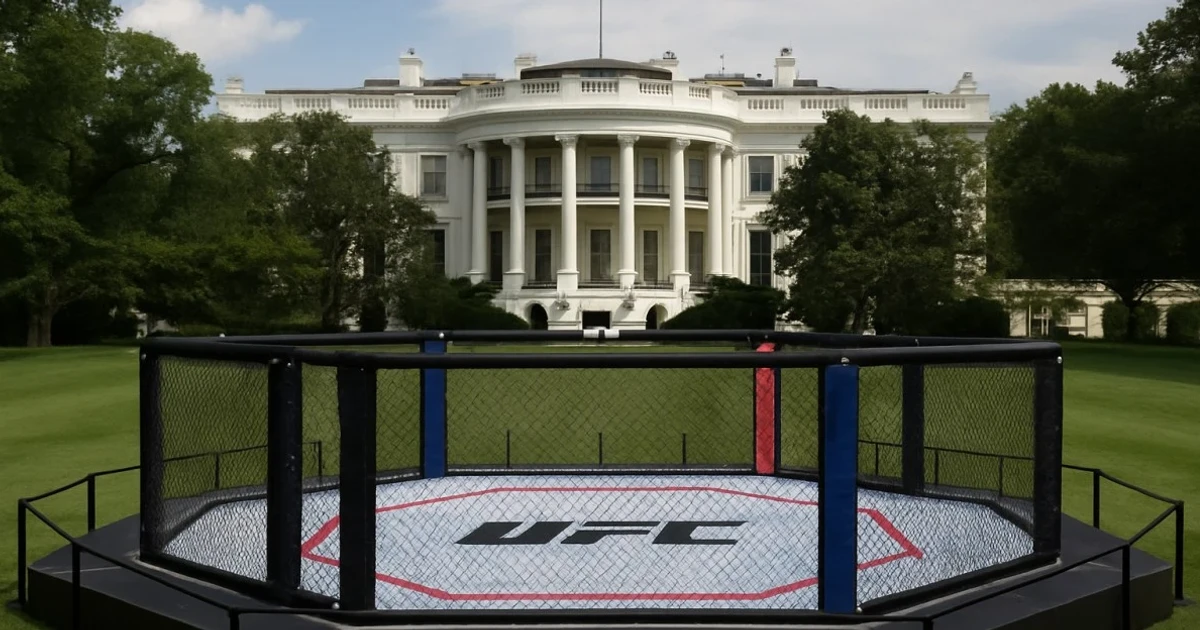
The White House fight night was never just a fight card. Outdoor weather, federal security screening and the awkward task of building a cage on the South Lawn turned UFC Freedom 250 into a test of how far a sports brand could be stretched before reality took over. The event was scheduled for June 14, 2026, with 85,000 free tickets planned for an outdoor viewing area at the Ellipse, and it was tied to President Donald Trump’s 80th birthday and the nation’s 250th anniversary.
UFC chief content officer Craig Borsari had to plan for hundreds of truckloads of equipment, temporary bathroom facilities and tight federal screening for workers and guests. The promotion also had to fit about 4,300 spectators on the White House South Lawn without digging into the ground, a constraint that shaped every part of the build. To make it possible, Stageco assembled a 600-ton, 154-foot-wide, four-pronged outdoor arena nicknamed the claw, beginning construction on May 25.
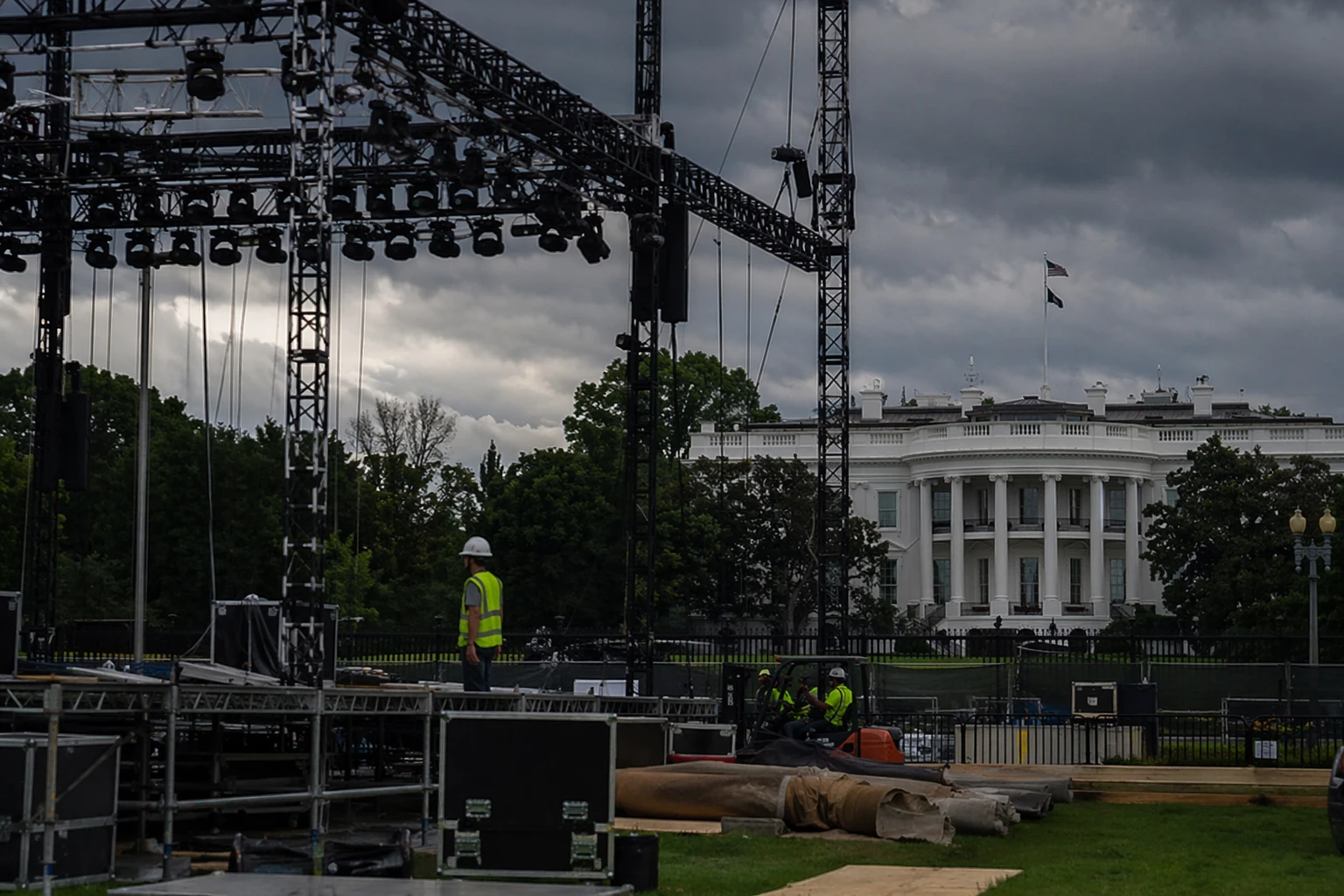
Dana White has long said outdoor UFC events are difficult to stage, and this one showed why. He said the company was handling the entire bill and put the project on a $60 million budget. White also estimated that replacing the South Lawn grass alone would cost between $700,000 and $1 million, a reminder that the expense did not end when the final bell rang. The setup extended beyond the White House grounds, with a news conference in front of the Lincoln Memorial and weigh-ins at the Ellipse, spreading the event across some of the most heavily watched public land in Washington.
The spectacle also drew a legal challenge in D.C. federal court from the Public Integrity Project. The group argued that the Department of the Interior and the National Park Service violated federal law, lacked congressional authorization for structures on federal land and failed to complete environmental review. The government responded that it had already spent well over $60 million and tens of thousands of labor hours preparing the event, and said the lawsuit came too late.

What UFC Freedom 250 exposed was not just the cost of staging a one-off fight at a federal landmark, but the friction between political branding and the ordinary rules that govern public land, security and restoration. The White House card was pitched as a historic show, but the practical demands of weather, logistics and law made clear that even the biggest spectacle still had to answer to the ground beneath it.