Health
Uganda nuns who cared for others face hardship in old age
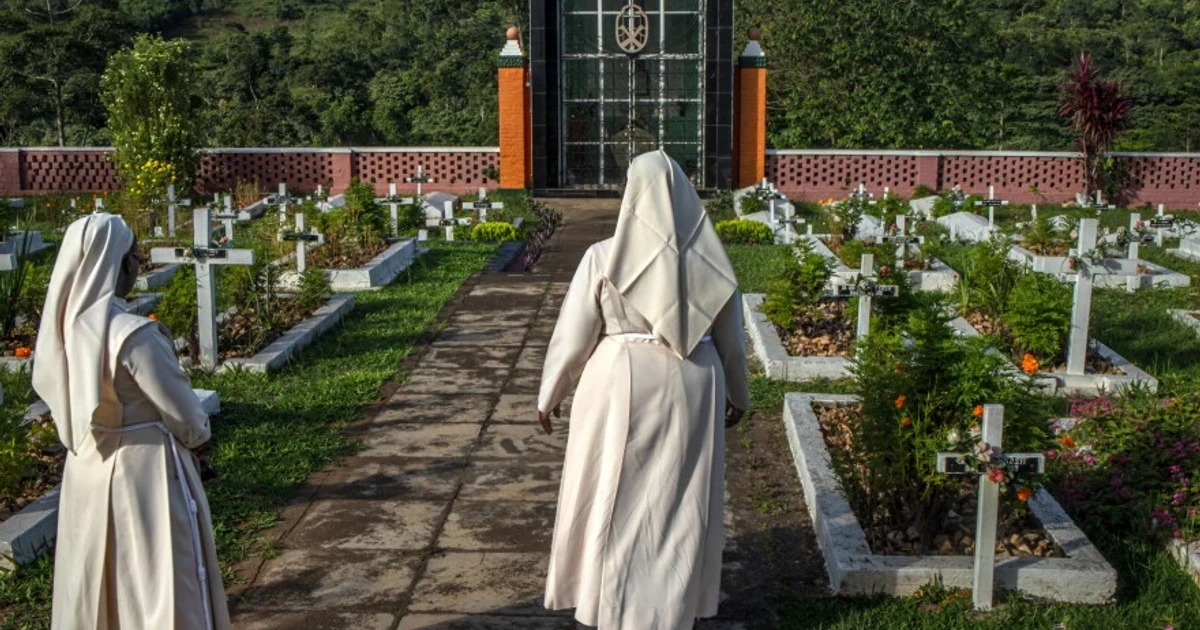
At the convent cemetery in Nkokonjeru, the women buried there once spent their lives as nurses, teachers, social workers and doctors. Now, inside the same motherhouse where younger women train, take vows and eventually are laid to rest, Sister Jane Frances Nakafeero is confronting a harsher question: who will care for the sisters who cared for everyone else?
Nakafeero, the superior general of the Little Sisters of St. Francis, says the order’s cycle of service runs from beginning to end on the same grounds. “The motherhouse … is where we begin and where we end,” she said. But the older sisters living there are increasingly fragile, and the basics that make old age bearable are often missing. Younger sisters help retired women get out of bed and eat, yet the convent still lacks adult diapers, wheelchairs, hearing aids and even warm blankets for some of its elderly residents.
The gap is especially stark because palliative care, the medical and emotional support meant for the end of life, is still a relatively new concept, dating to the 1960s. Nakafeero raised the issue at a 2023 meeting of the African Palliative Care Association, drawing the attention of Jean Callahan, a former chair of the Irish Hospice Foundation and an advisory board member of the association. Callahan said she was struck that women who could have been her grandmother’s colleagues were going without basic supports, and she later helped push for a partnership between the Little Sisters of St. Francis and the association to strengthen end-of-life care.
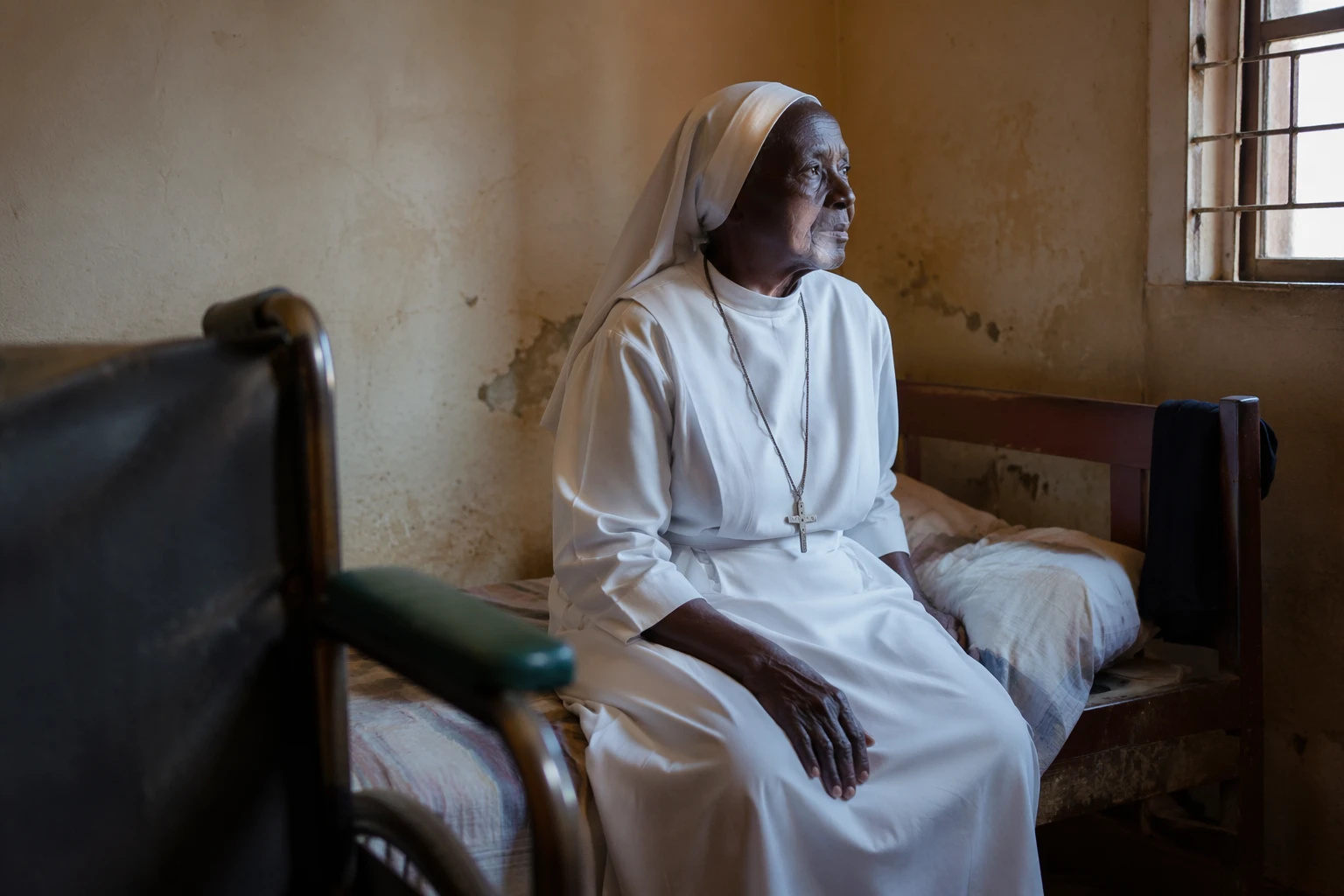
The order itself has deep roots. Founded in Uganda on May 1, 1923, by Mother Mary Kevin Kearney, the Little Sisters of St. Francis now serve in education, healthcare, pastoral care and social work across Uganda, Kenya and other regions. Yet like many religious communities, especially in Africa, they face retirement needs with far fewer resources than congregations in richer countries. A 2023 CARA report found about 36,000 vowed women religious in the United States in 2021, down 51% from 20 years earlier, while a separate 2023 National Religious Retirement Office report said only about 6% of 476 responding congregations were adequately funded for retirement.
Uganda’s Association of Religious says its Sister-Led Elderly Care Network began in May 2023 after a baseline survey of 70 religious institutes found an urgent need for elder care. The pilot initially aimed to serve 500 elderly and infirm sisters across 20 institutes, but it ultimately reached 814 sisters across 18 institutes, and Hilton Foundation support was extended through 2027. The network has trained caregivers, improved diets with orchards and vegetable gardens, and plans to build 20 sister-led elderly care facilities. A separate international push also widened in March 2026, when The Anna Trust Foundation announced inaugural grants of up to $40,000 each for seven projects supporting aging sisters in places including West Africa, Peru, Côte d’Ivoire, Texas, Chad, Rwanda, Chile and Burundi.