Health
Uganda rejects air-travel bans over Ebola spillover from Congo
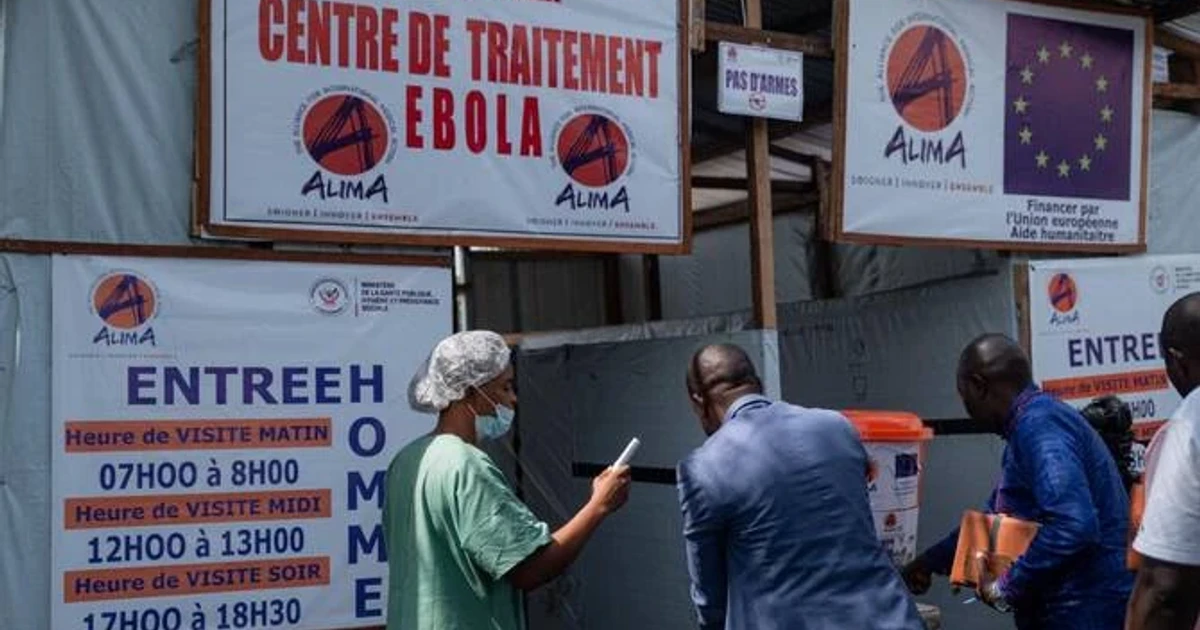
Uganda has pushed back against air-travel restrictions imposed by the United States, Canada, the United Arab Emirates and other countries, arguing that the measures overreact to a limited spillover from the Democratic Republic of Congo and risk punishing a country that is reporting cases openly. The clash goes to the center of outbreak policy: how to protect public health without turning border controls into blunt instruments that stigmatize countries trying to contain disease.
The latest Ebola outbreak was first detected in Mongbwalu Health Zone in Ituri Province, where the World Health Organization was alerted on May 5, 2026 to a high-mortality cluster of unexplained illness. Laboratory confirmation of Bundibugyo virus disease followed on May 15, the same day the DRC and Uganda jointly declared an Ebola outbreak. Two days later, WHO declared the event a Public Health Emergency of International Concern.
As of June 6, WHO reported 515 confirmed cases and 91 deaths in the Democratic Republic of Congo, along with 19 confirmed cases in Uganda, two deaths and one probable death. Ugandan officials said nearly all of the country’s cases involved Congolese nationals who crossed from the DRC, underscoring the cross-border nature of the spillover. WHO has said Uganda’s cases were linked to transmission originating in Congo, including imported infections and secondary spread among contacts and health workers.
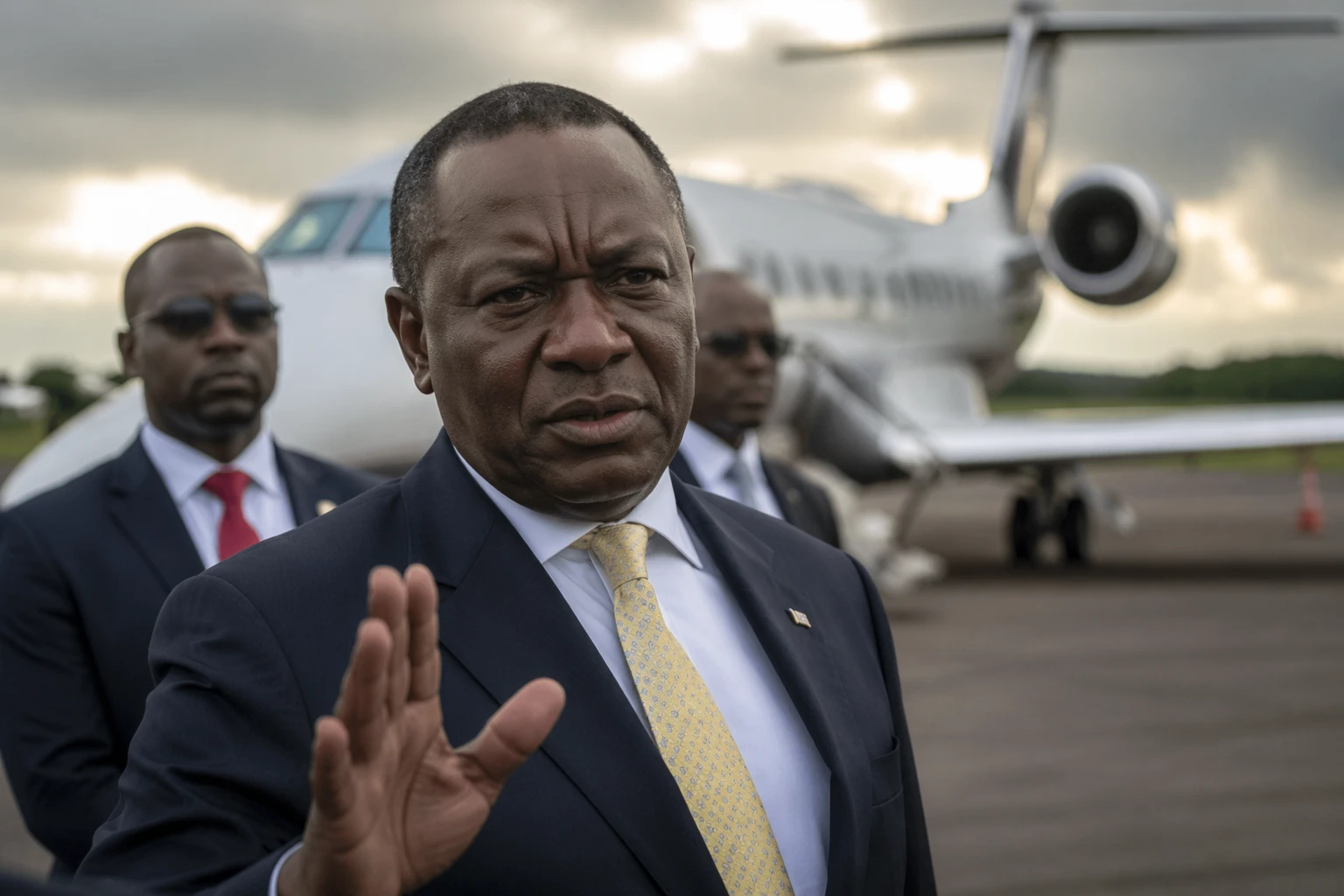
Uganda’s health ministry said the country’s response has been strong, transparent and praised by public-health experts. Diana Atwine, the ministry’s permanent secretary, said Uganda had discussed the restrictions with ambassadors and airline operators and warned that blanket bans can undermine confidence in countries that report outbreaks openly. Tedros Adhanom Ghebreyesus has praised Uganda’s strategy while warning that the outbreak is spreading into new areas in neighboring Congo.
The scientific case for caution remains substantial. WHO says there is no licensed vaccine or specific treatment for Bundibugyo virus disease, a strain first identified in Uganda in 2007 that has historically carried fatality rates of roughly 25% to 50%. WHO has also described the outbreak as unfolding in a difficult setting marked by insecurity, remote terrain, humanitarian crisis and heavy population movement, conditions that make tracing and containment harder.
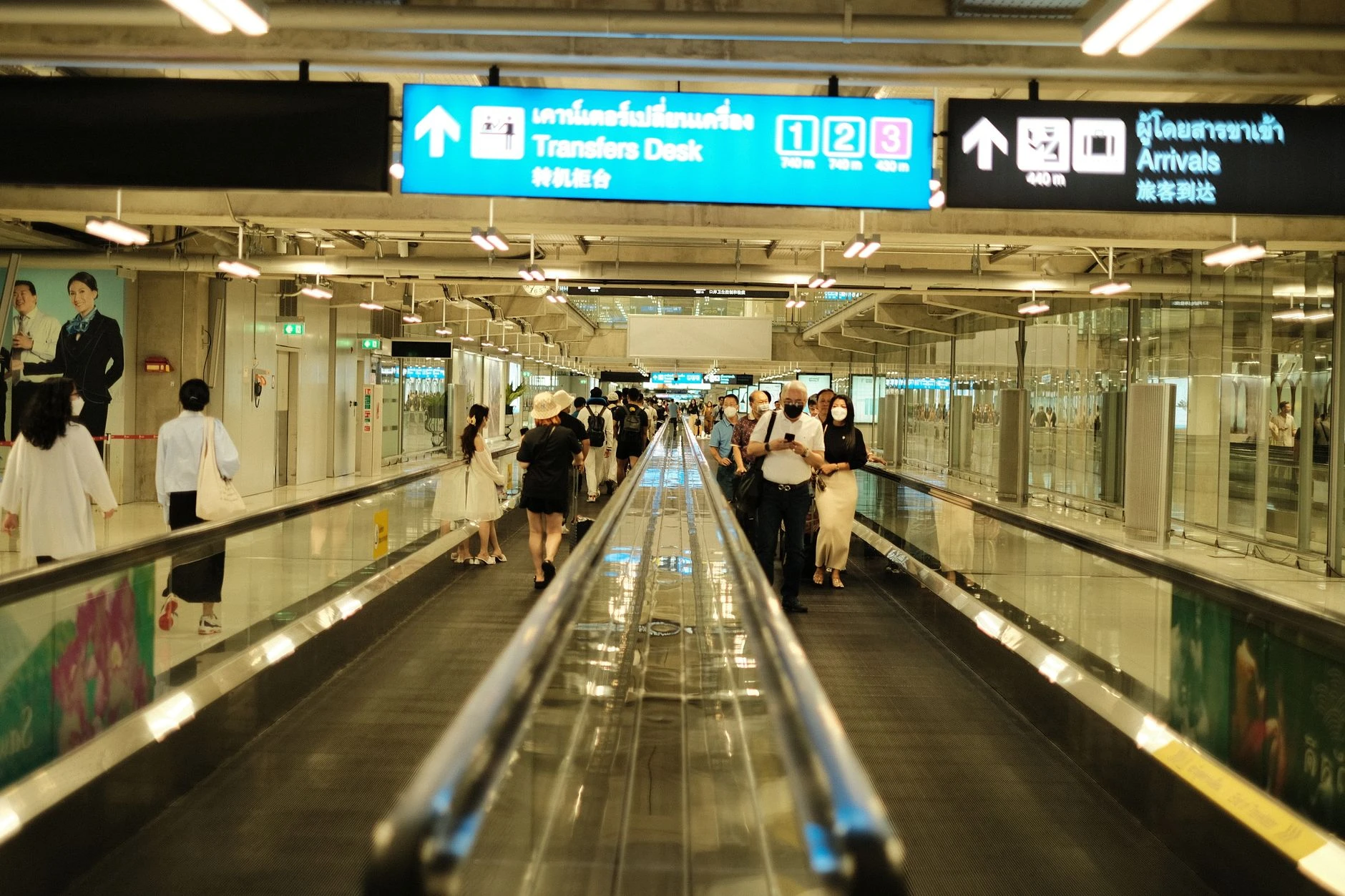
The Centers for Disease Control and Prevention announced enhanced travel screening and entry restrictions on May 18, then amended its entry order on May 22. As of that date, U.S. citizens and nationals from affected areas could still enter the country, but they faced enhanced public-health screening, and affected air passengers from the DRC, South Sudan and Uganda were being rerouted to specific U.S. airports for inspection. WHO and Africa CDC have since launched a six-month response plan seeking $518 million to support surveillance, contact tracing, preparedness and community engagement across affected and neighboring countries.
The question now is whether the restrictions will help stop spread or chill the transparency that public-health officials say is essential when Ebola crosses borders.
Sources
- [1]arabnews.com
- [2]who.int
- [3]cdc.gov