Lifestyle
Ugandan farmer leads Slow Food, aims to globalize its mission
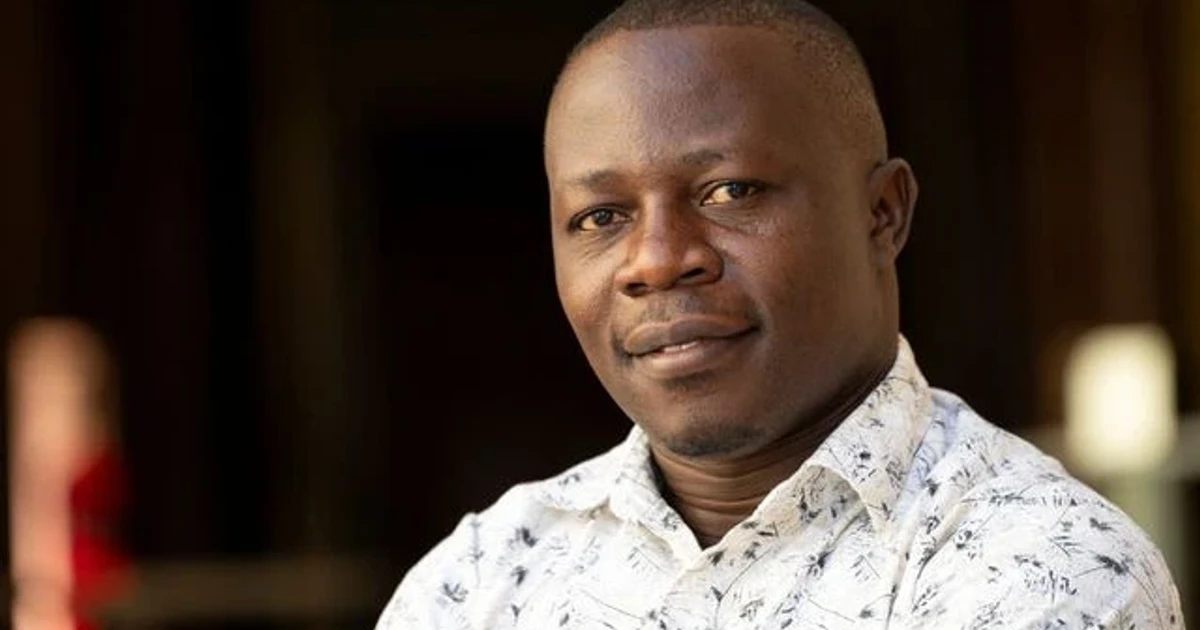
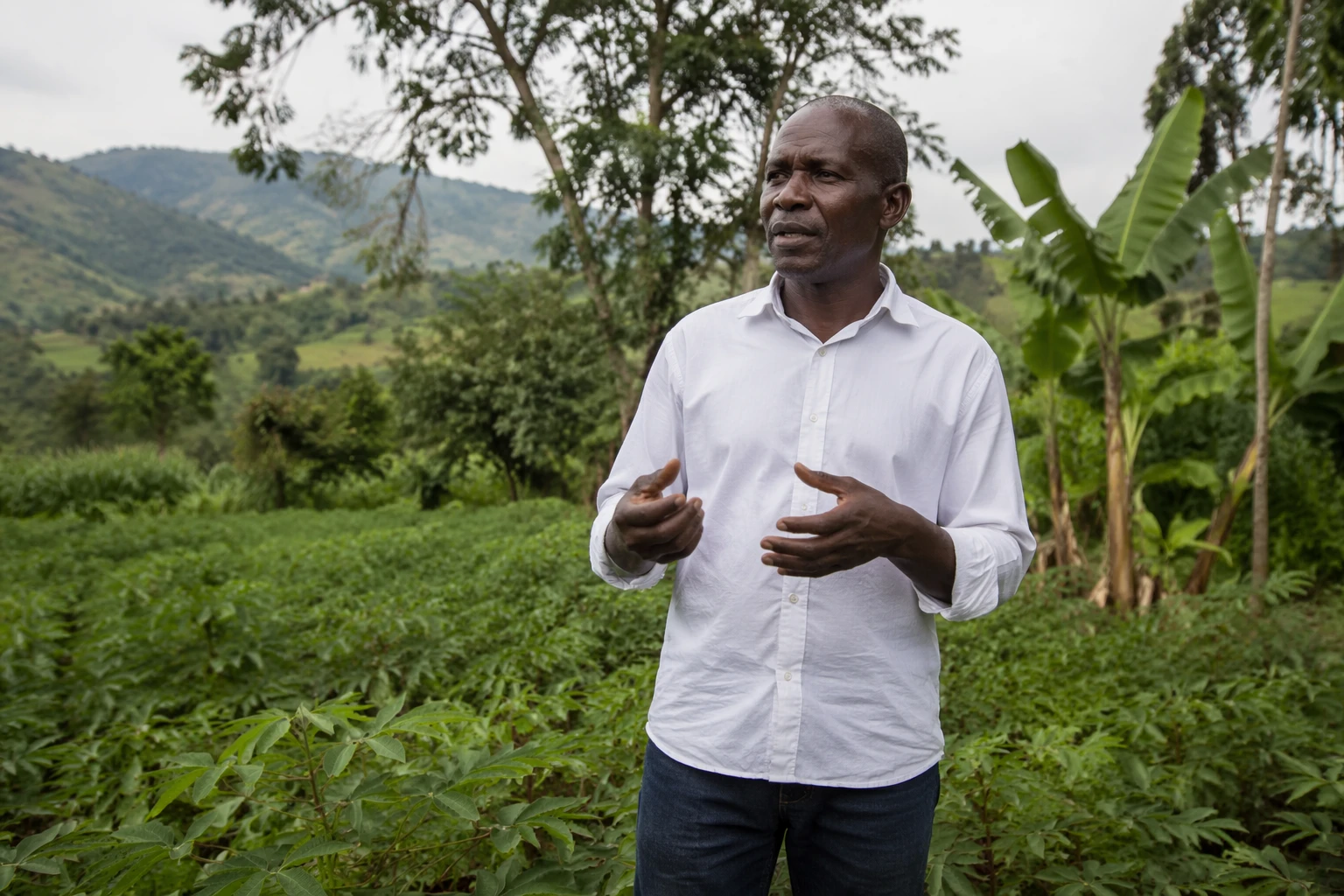
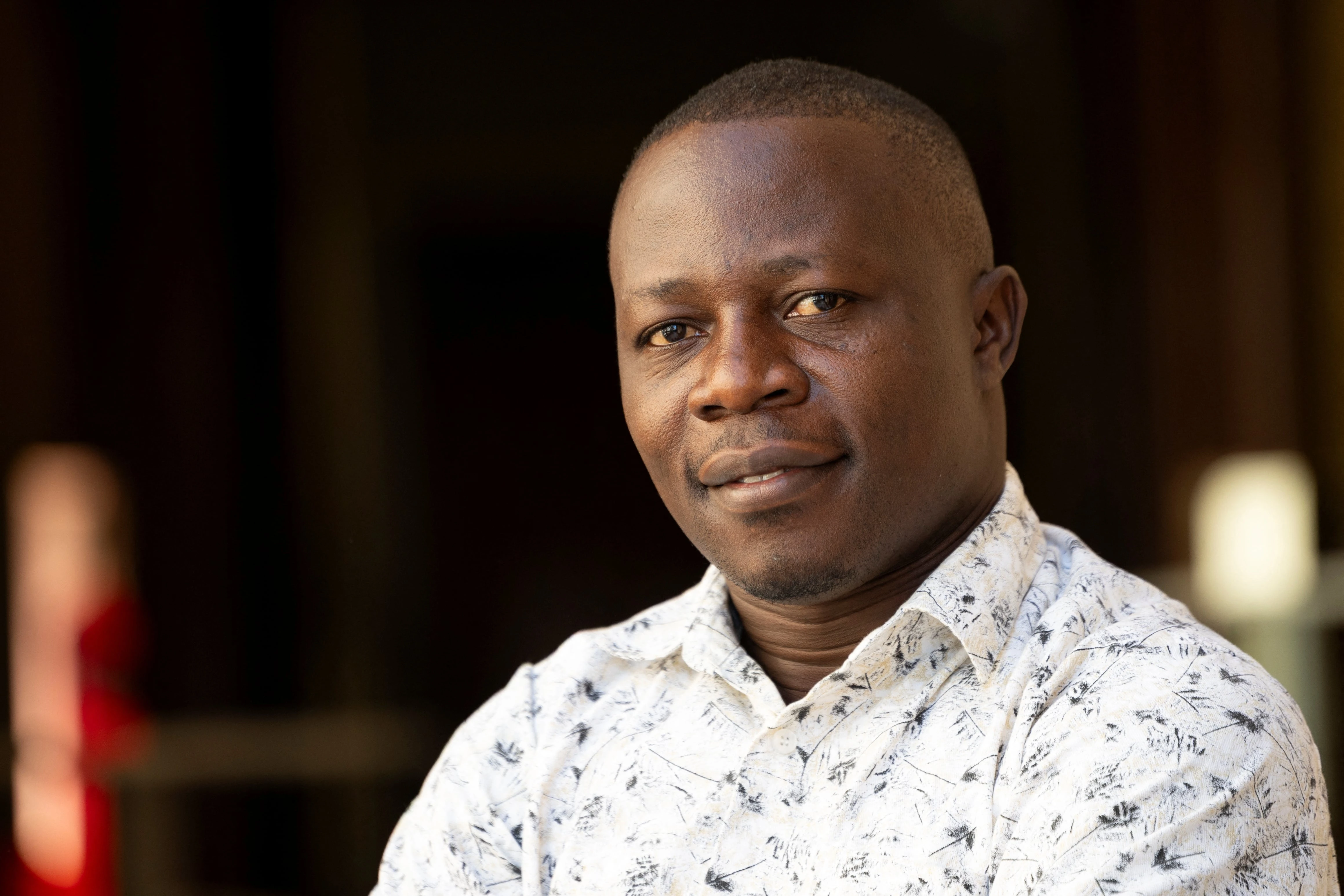
Edward Mukiibi is trying to turn Slow Food from an Italian-born food rebellion into a movement that speaks as clearly to Ugandan smallholders as to European diners. The 39-year-old Ugandan farmer and agronomist now leads the global network and runs a family farm near Lake Victoria that grows coffee and bananas.
Slow Food traces its origins to Rome in March 1986, when the opening of a fast-food restaurant near the Spanish Steps sparked national protest. The movement became international three years later, when delegations from 14 other countries signed the Slow Food Manifesto in Paris. Today, the organization says it is active in more than 160 countries, and earlier materials described a network of more than 100,000 members and over 1,300 local chapters. Mukiibi, who studied at Makerere University and the University of Gastronomic Sciences in Italy, was born in 1986, the same year the movement began.
Carlo Petrini, the founder who built Slow Food into a global campaign for what it calls good, clean and fair food, died on May 21, 2026, in Bra, Italy, at age 76 after having disclosed prostate cancer. His death leaves Mukiibi with the task of preserving the movement’s identity while shifting its center of gravity toward the farmers who produce much of the world’s food but have often sat outside elite food politics.
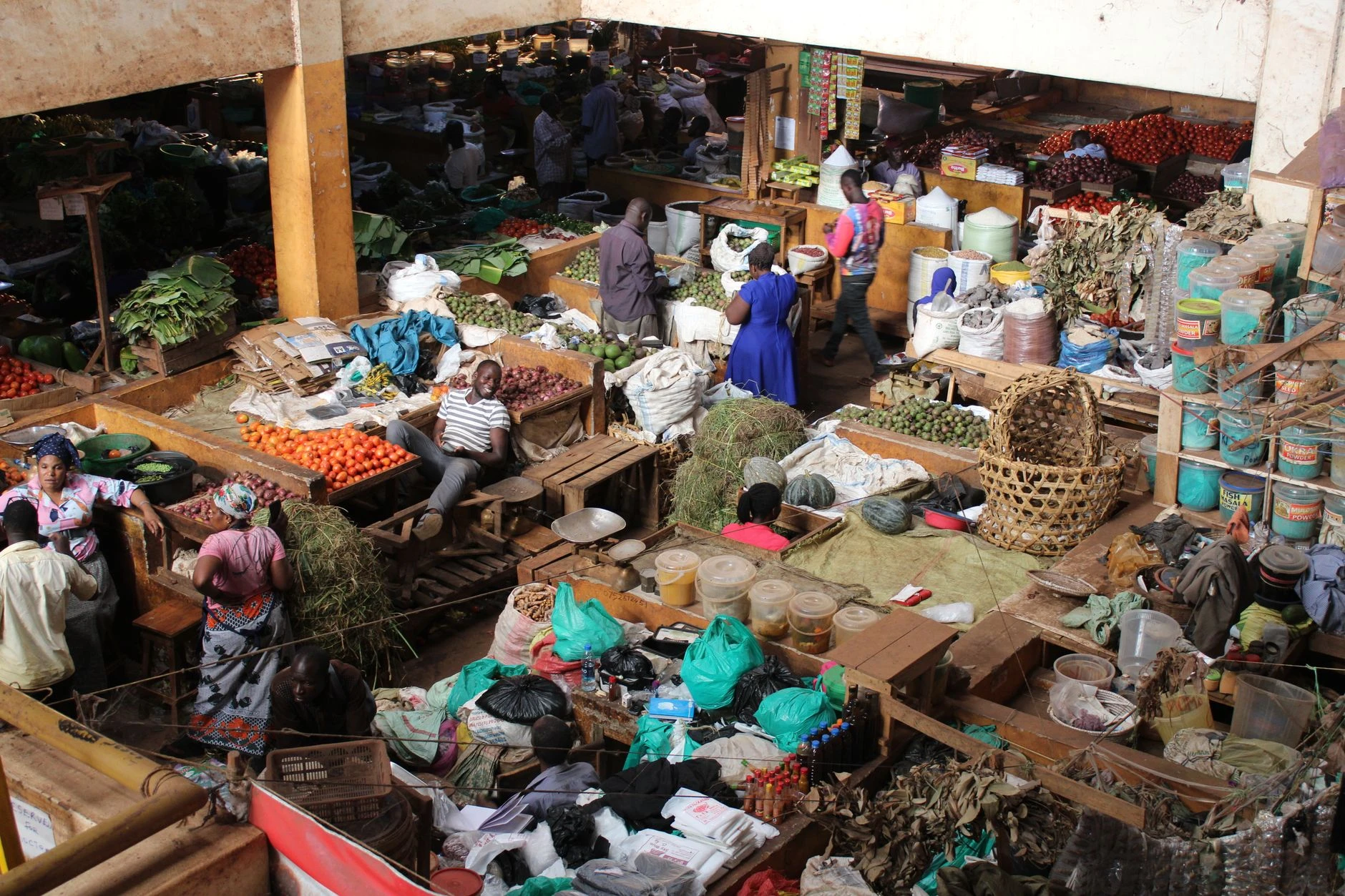
That shift is already visible in Slow Food’s Africa-focused work. The Gardens in Africa initiative supports small-scale agriculture, biodiversity, traditional knowledge, and school and community gardens across the continent. Mukiibi has said his own connection to the movement deepened after he attended Terra Madre in 2008 as an African delegate, a moment that helped turn the project into a lasting commitment.
Slow Food has long framed itself as more than a culinary brand. Its first global Terra Madre gathering, held in Turin in 2004, brought together more than 5,000 farmers, fishers and producers from 130 countries. Petrini also gave the movement unusual cultural reach through his conversations with King Charles on agriculture, food artisans, globalization and young people returning to the land, and through public exchanges with Pope Francis on ecology and food.
Mukiibi’s rise gives the organization a new geographic and symbolic center. The question now is whether a movement born in Europe can keep its roots while making its priorities, leadership and voice fully international.
Sources
- [1]usnews.com
- [2]slowfood.com