Health
UK addiction centres see surge in phone dependency cases

Addiction treatment centres are seeing more people enter care with compulsive phone use alongside other dependencies, and one UK provider says the problem has spread sharply through its caseload. UK Addiction Treatment Centres, which supports about 3,500 people a year, says one in three of its clients treated for drug dependency last year also had a secondary phone dependency, compared with one in 10 in 2019.
The rise comes as online time in Britain keeps climbing. Ofcom said UK adults spent an average of 4 hours 20 minutes a day online in May 2024, rising to 4 hours 30 minutes in May 2025 across smartphones, tablets and computers. The regulator says young adults spend the most time online, most internet use now happens on smartphones, and adults use an average of 41 apps a month.
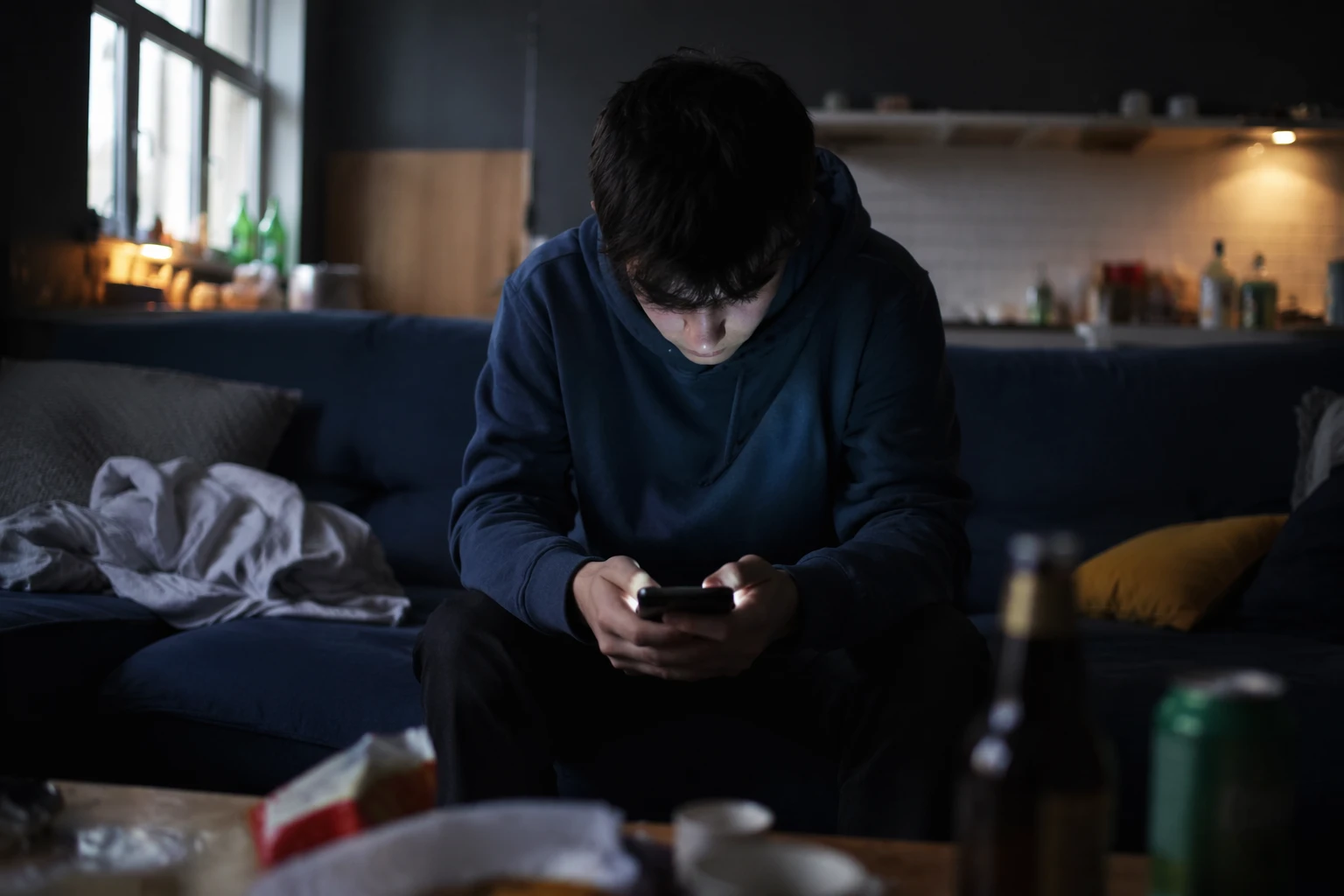
Clinicians generally draw a line between heavy use and addiction by looking at impairment, not just hours on a screen. Within the NHS system, addiction is treated as a condition that can be addressed through a GP or specialist service, while private clinics describe technology addiction as over-reliance on phones, computers, games and social media that can damage physical and psychological health. The World Health Organization has gone further in one area of digital behaviour, classifying gaming disorder in ICD-11 and saying treatment programmes already exist in many parts of the world.

Research is also tying compulsive phone use to broader mental-health pressures. A 2025 University of Portsmouth study said loneliness and anxiety were the main mediating factors in problematic smartphone and social media use among young adults, pointing to phone use as a coping strategy for some people rather than a simple habit. At the treatment stage, UKAT says some clients walk away from help for a primary addiction when they are asked to hand over their phones on entry, a sign that the device itself can become part of the dependency. For clinicians, that refusal is one of the clearest markers that everyday screen time has started to interfere with recovery, not just routine life.
Sources
- [1]bbc.co.uk
- [2]ofcom.org.uk
- [3]aol.com
- [4]nhs.uk
- [5]who.int
- [6]port.ac.uk