Health
UK beach safety experts warn swimmers to avoid inflatables and riptides

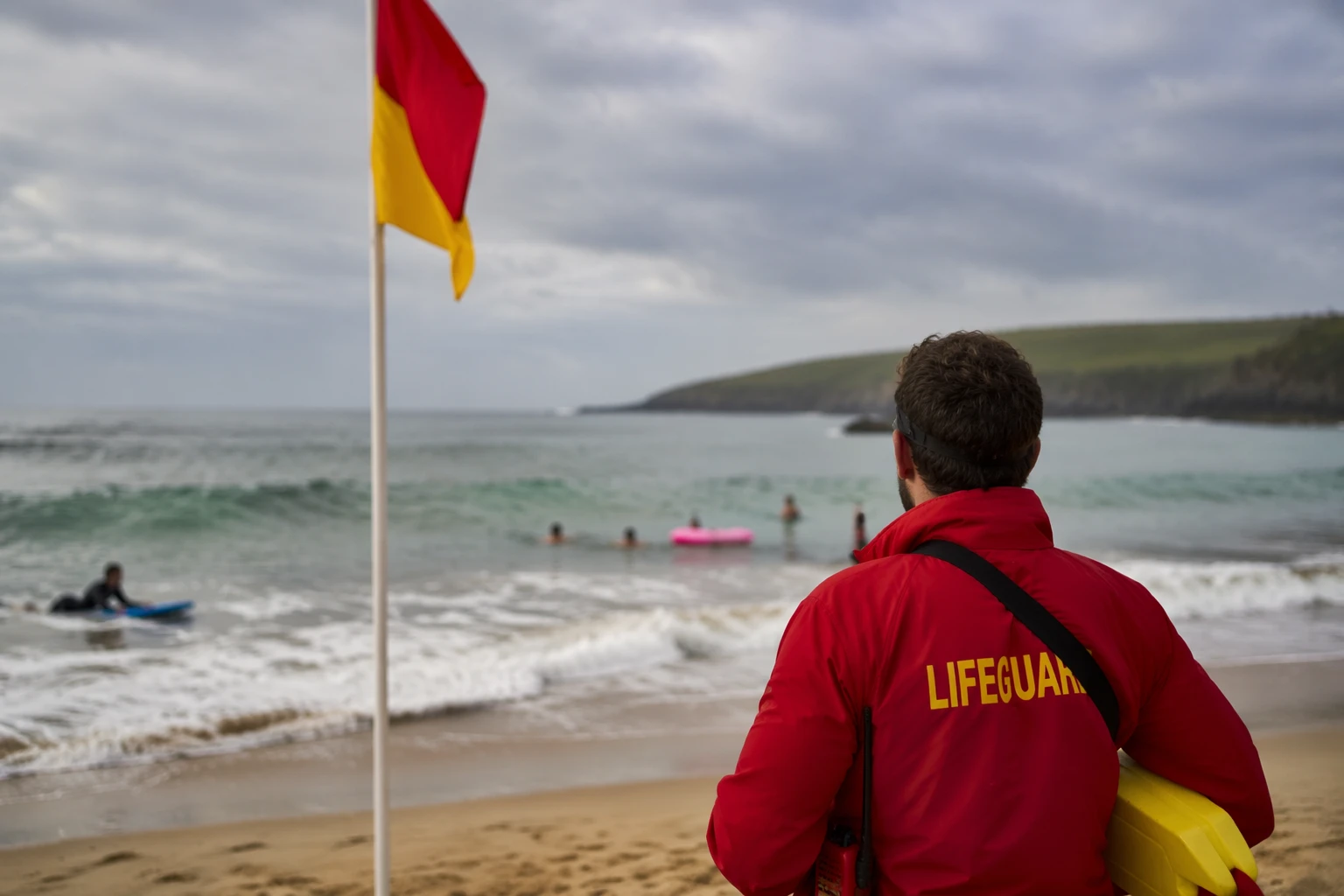
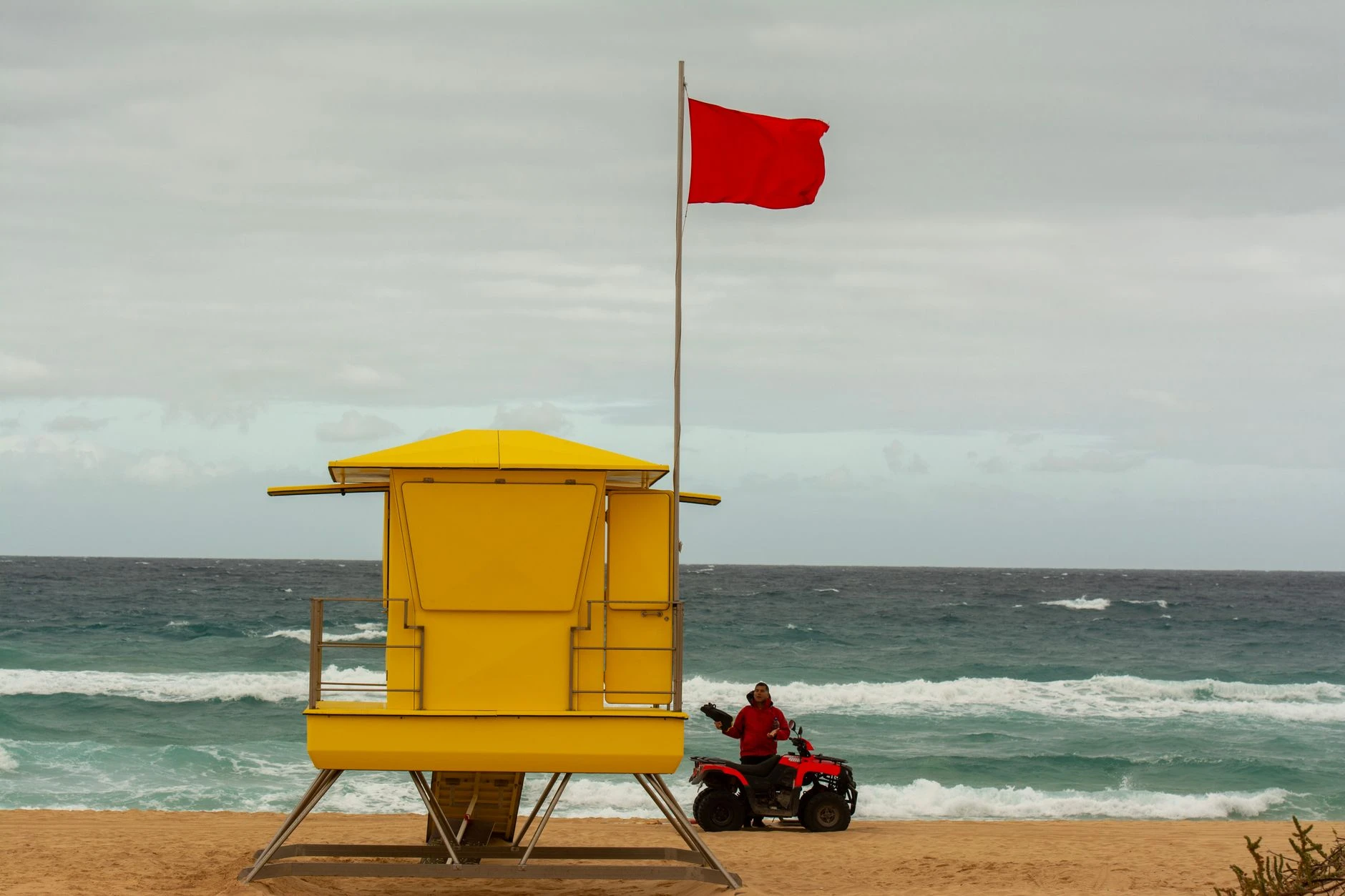
Beach safety starts with a simple choice: pick a lifeguarded beach and swim only between the red-and-yellow flags. HM Coastguard and the RNLI say offshore winds can make it difficult to return to shore, while rip currents can quickly drag swimmers out to sea. Black-and-white chequered flags are for surfboards, stand-up paddleboards, kayaks and other non-powered craft, not for swimmers.
The most common mistake is treating the shoreline like a place to improvise. The RNLI and Coastguard both advise checking the weather forecast, tide times and beach safety signs before entering the water, not after arriving with a towel and a plan. That matters because conditions can change fast, and a calm-looking beach can still hide currents strong enough to carry people away from land.
Inflatables are another trap. The RNLI says lilos, inflatable animals and similar items should be used only in pools, not at the coast, because they can be punctured or swept away by tides and wind. For families, that means keeping children close, swimming only within each person’s ability and treating the sea, rivers and lakes as high-risk environments rather than casual playgrounds.
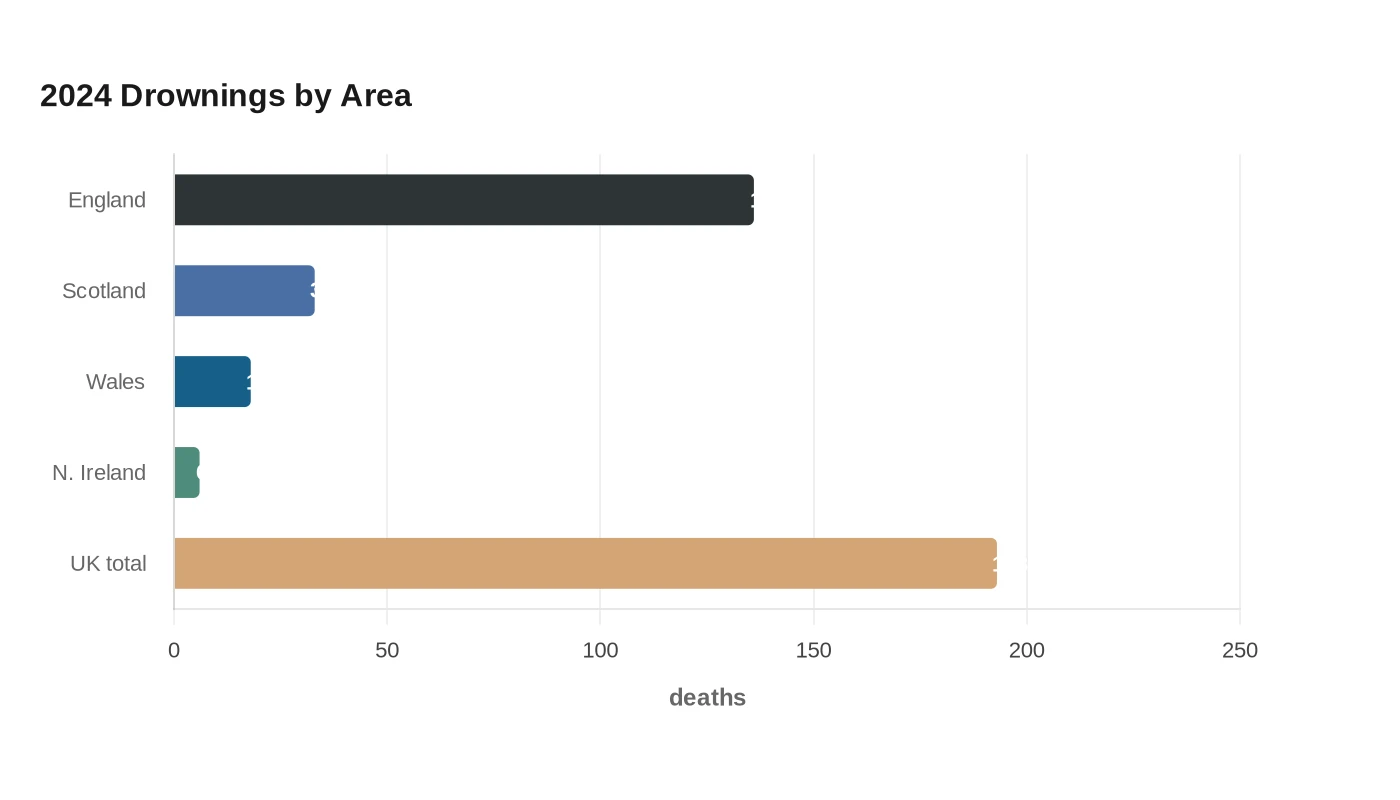
If trouble starts, the advice is equally blunt: float to live and call 999 or 112 for the Coastguard. That response is built around the reality that drowning remains a major preventable public-health risk. RLSS UK says an average of 328 UK and Irish citizens die from accidental drowning every year, and National Water Safety Forum data for 2024 recorded 193 accidental drowning deaths in the UK, including 136 in England, 33 in Scotland, 18 in Wales and 6 in Northern Ireland.

The pattern is seasonal and predictable. The 2024 data showed 84% of accidental drowning deaths were among males, with the highest monthly totals in warmer weather, including 28 in May, 25 in August and 21 in July. RLSS UK says 47% of UK accidental drownings happen between May and August, which is why World Drowning Prevention Day, observed each year on 25 July, carries such force. The World Health Organization says drowning is among the ten leading causes of death for children aged 5-14 globally, a reminder that one wrong decision at the water’s edge can turn a family day out into an emergency.
Sources
- [1]bbc.com
- [2]rnli.org
- [3]hmcoastguard.uk
- [4]rlss.org.uk
- [5]rospa.com
- [6]un.org
- [7]who.int