World
UK braces for 30C heat as Europe heat dome intensifies

Britain’s transport network, schools and hospitals are facing another test from a continental heat dome as temperatures climb towards 30C in parts of England, even while Europe moves into far more dangerous territory. The Met Office says the UK will sit on the boundary between very warm air over the continent and cooler, more unsettled conditions to the northwest, a pattern that could leave the south baking while the north and west stay cloudier and wetter. With a Yellow Heat-Health Alert already in force across the East Midlands, East of England, London and the southeast, the question is no longer whether Britain will feel the heat, but whether it is ready for it.
Across Spain, France and Italy, the Met Office expects temperatures to rise into the high 30s, with some locations likely to exceed 40C. It says the surge is being driven by strong high pressure, which suppresses cloud formation and allows prolonged sunshine and compressional heating, pushing temperatures across much of central and western Europe to around 10C above average for mid-June. In Britain, that same setup is more complex: low pressure to the northwest is still feeding in cloud, rain and fresher air, especially in northern and western areas, while warmer air tries to push north.
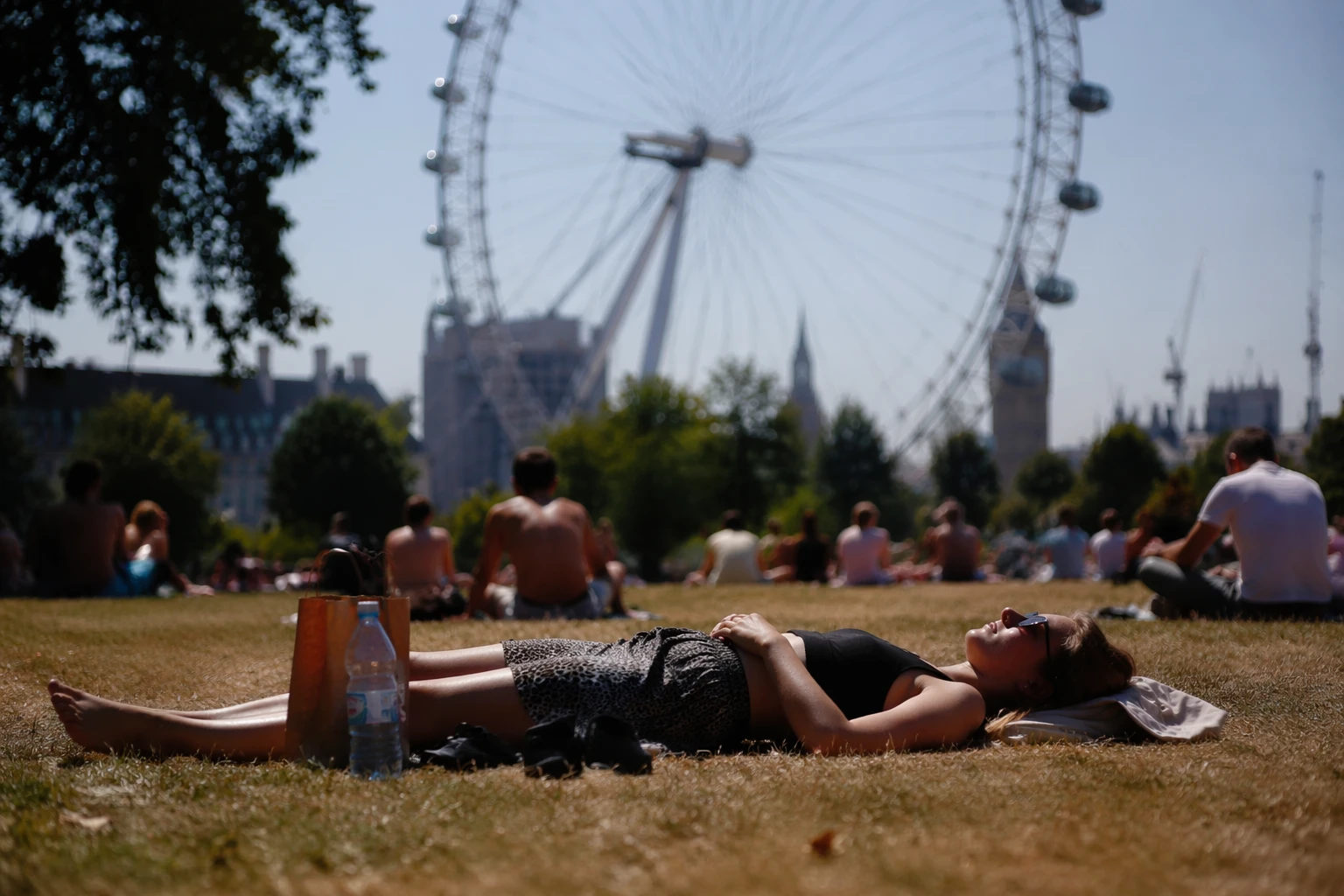
For England, the forecast has sharpened over the past few days. On 15 June, the Met Office said parts of England could reach the high twenties by Thursday and approach 30C in the southeast on Friday. Its latest forecast on 17 June raised the stakes further, saying temperatures could reach 32C in the south of England on Sunday and potentially 33C in the south and southeast on Monday. The risk is not just discomfort. High temperatures can slow rail services, strain roads and power systems, and make hospital wards, care homes and classrooms harder to keep safe.
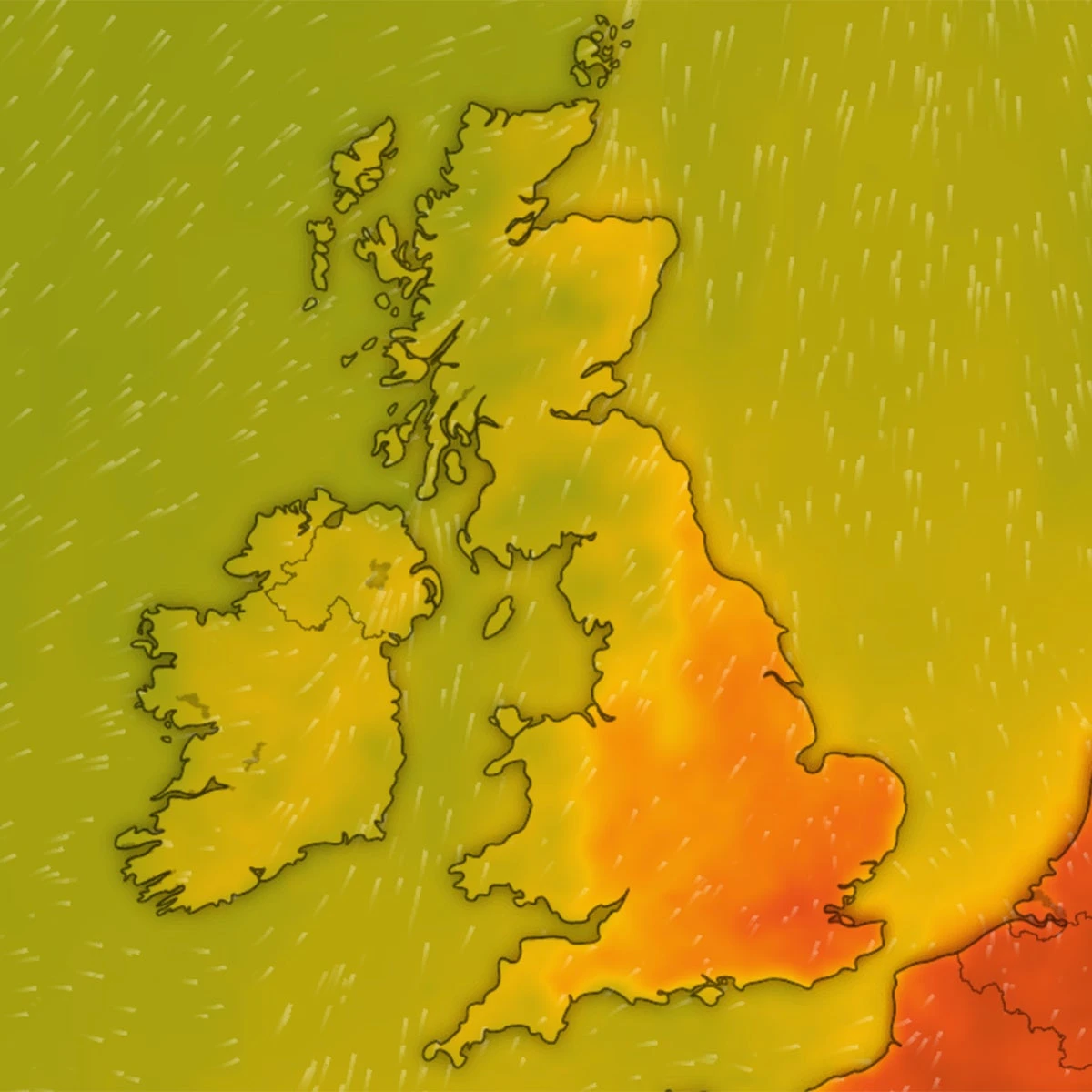
The Yellow Heat-Health Alert, which runs from 3pm on 17 June until 8pm on 22 June, covers the East Midlands, East of England, London and the southeast of England. UKHSA’s heat-health alerting system runs from 1 June to 30 September each year and is designed to help health and social care services prepare for hot weather impacts. Earlier this year, UKHSA issued its first amber heat-health alert of 2026 on 22 May, a reminder that this season is starting earlier and arriving more often.
UKHSA says amber alerts signal increased use of health care services by vulnerable populations and higher risk for people aged over 65 or those with pre-existing respiratory or cardiovascular conditions. Dr Anya Gopfert has warned that even moderate heat can cause serious health problems and urged people to check on friends, family and neighbours who may be more vulnerable. The Met Office defines a UK heatwave as three consecutive days above county-specific threshold temperatures, and it has said the summer of 1976 brought more than a fortnight above 28C in southeast England. Against that backdrop, 30C now looks less exceptional than before, and much more like a planning problem Britain can no longer afford to treat as seasonal surprise.