World
UK could face 40C summers regularly within decades, Met Office warns
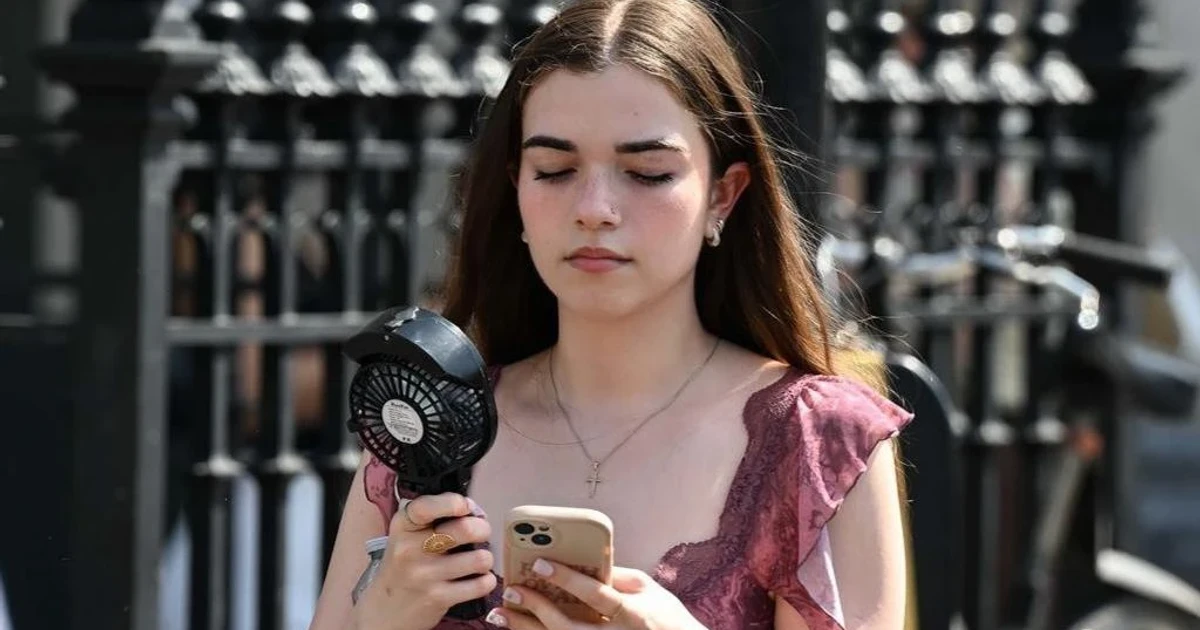
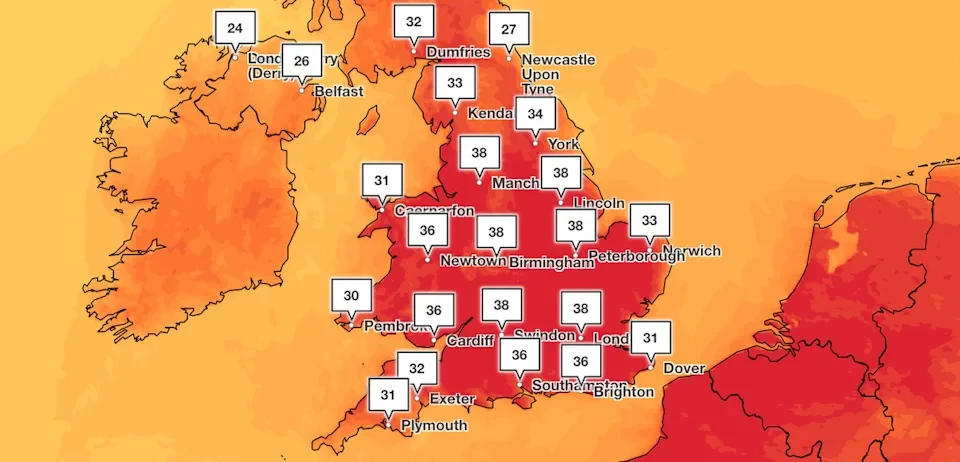
Parts of the UK could see 40C summers regularly within a couple of decades, the Met Office warned. Met Office data show that between 2015 and 2024, the number of UK days above 30C more than trebled compared with the 1961 to 1990 average, and six of the past ten years have gone above 35C.
On 19 July 2022, Coningsby in Lincolnshire reached 40.3C, the highest temperature ever recorded in the UK and 1.5C above the previous national record of 38.7C set in Cambridge in 2019. Seven stations recorded 40C or higher that day, and the summer of 2022 became the fourth hottest on record for UK daily average temperature, behind only 2018, 2006 and 2003.
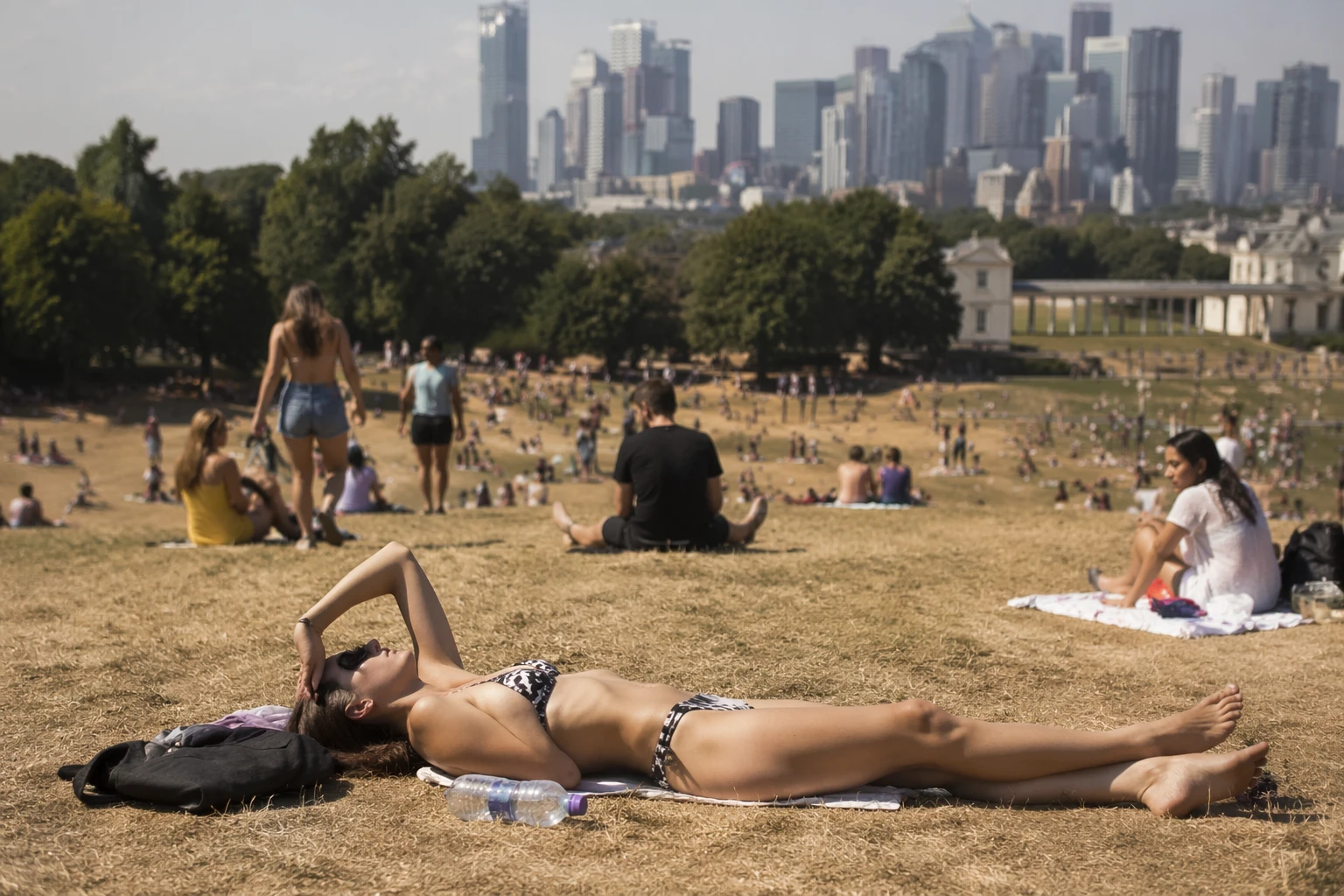
In England, the Heat-Health Alert service runs from 1 June to 30 September and is designed to warn health and social care services, the voluntary sector and government when temperatures may harm health. NHS England links resilience across the health system to the full engagement of the workforce.
The Climate Change Committee’s 2025 progress report judged the UK’s preparations for climate change inadequate and called for action now to address rising risks cost-effectively and in time. The government said significant steps had been taken, but more action was still needed. In 2025, the government published the Local Authority Risk and Adaptation Toolkit: Heat Edition to help councils assess heat-related health risks and plan protective actions.
1976 remains the benchmark for extreme heat in the UK. The Met Office analysis shows UK summers are on a long-term warming trend, with warm summers becoming more common and new heat records arriving more often. A more recent Met Office analysis found a summer as hot as 2025 had become around 70 times more likely because of human-induced climate change.
Sources
- [1]bbc.co.uk
- [2]metoffice.gov.uk
- [3]gov.uk
- [4]ukhsa-dashboard.data.gov.uk
- [5]theccc.org.uk
- [6]nhsengland.nhs.uk