Politics
UK court rules asylum seekers were wrongly denied trafficking appeals

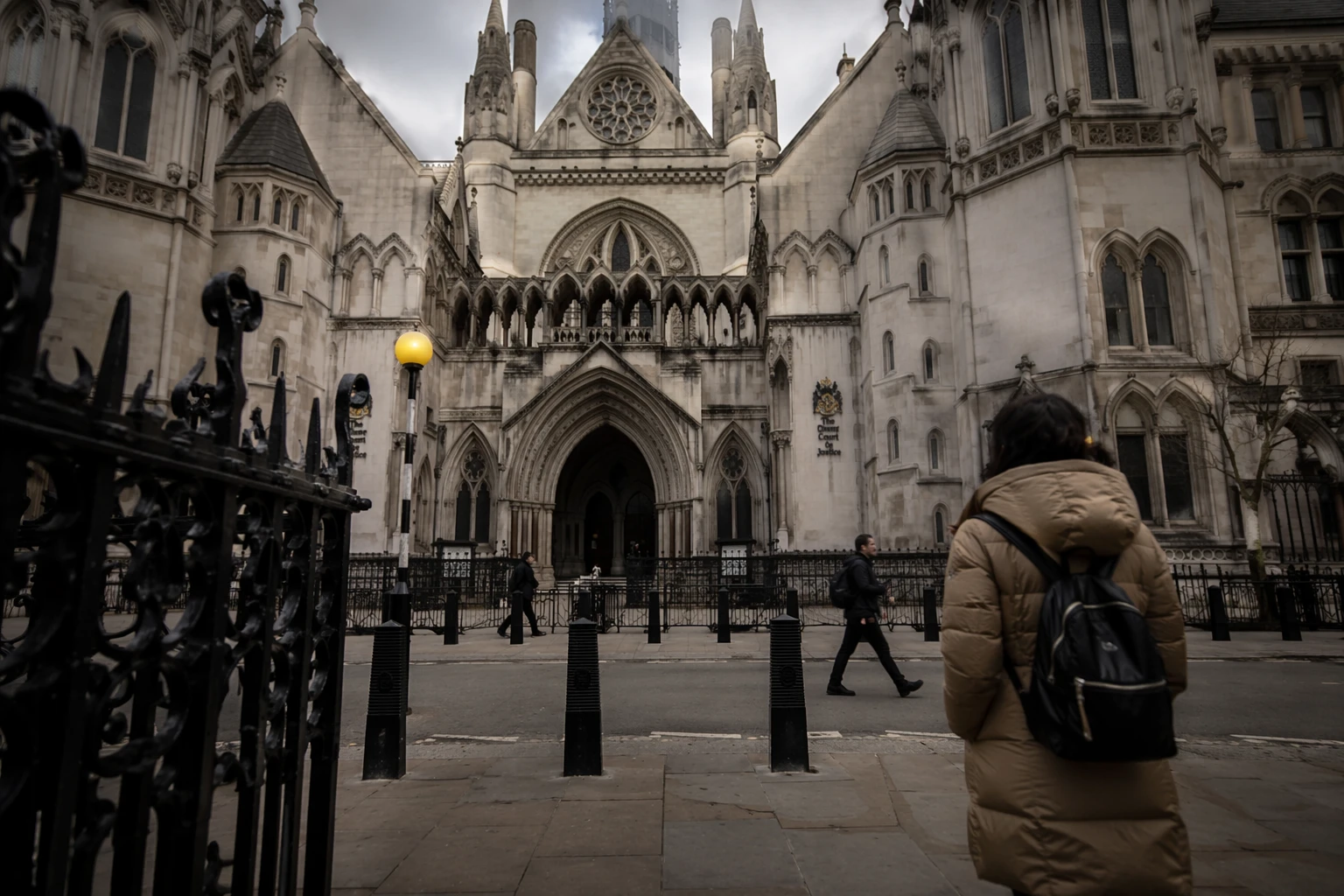
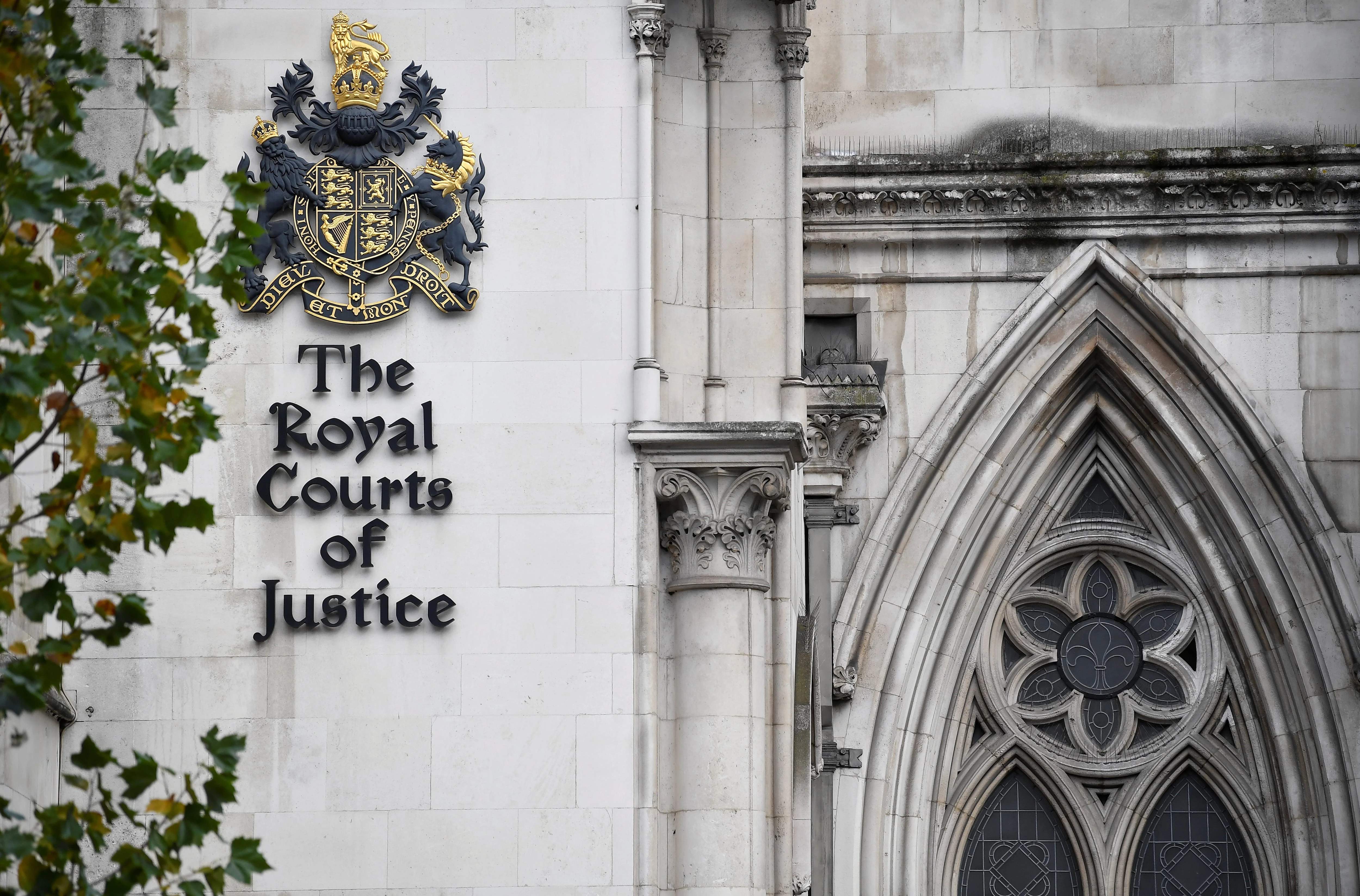
Britain’s fast-track removals system faced a legal setback on Friday after the High Court ruled that asylum seekers facing removal to France were unlawfully stripped of the right to challenge decisions that they were not trafficking victims. Judge Clive Sheldon said the change reduced the effectiveness of the trafficking identification regime and denied decision-makers access to potentially decisive evidence.
The challenge was brought by five asylum seekers under Operation Hillmore. It centered on a September 2025 Home Office change that removed the reconsideration process for people due to be sent to countries that are signatories to the Council of Europe Convention on Action Against Trafficking in Human Beings and the European Convention on Human Rights. The court found the policy unlawful.
The UK-France Returns Agreement came into immediate effect on 5 August 2025, after the treaty was signed by the UK and French interior ministers, and the Home Office expected returns to France later that month. The scheme is meant to return small-boat arrivals from the UK to France while allowing an equal number of people to come to Britain through a new legal route. The first detentions took place the next day.
In 2025, 79% of people initially deemed not to be trafficking victims received a positive decision when their cases were reconsidered.
The Home Office planned to appeal. A spokesperson: “last-minute modern slavery claims must not be used to frustrate the removal of illegal migrants.” Lawyers for some of the asylum seekers welcomed the ruling. Many people had already been unlawfully removed to France.
In November 2025, the government said the system was under severe strain because people were crossing through multiple safe countries before reaching the English Channel. By February 2026, UK Visas and Immigration guidance described France as a safe third country, citing its Refugee Convention and ECHR commitments, legal aid on appeal, accommodation support and an allowance, while also acknowledging pressure on accommodation and two European Court of Human Rights findings on accommodation since 2020.