Business
UK debt collectors face tighter FCA rules on vulnerable customers
The FCA’s CONC 7 chapter is the core rulebook on arrears, default and recovery, including repossessions, for consumer credit lending and related activities in the UK. Separate protections for vulnerable customers give consumers more leverage than many realise, especially when a collector is chasing payment without proper information or ignoring hardship.
The FCA rules that set the baseline
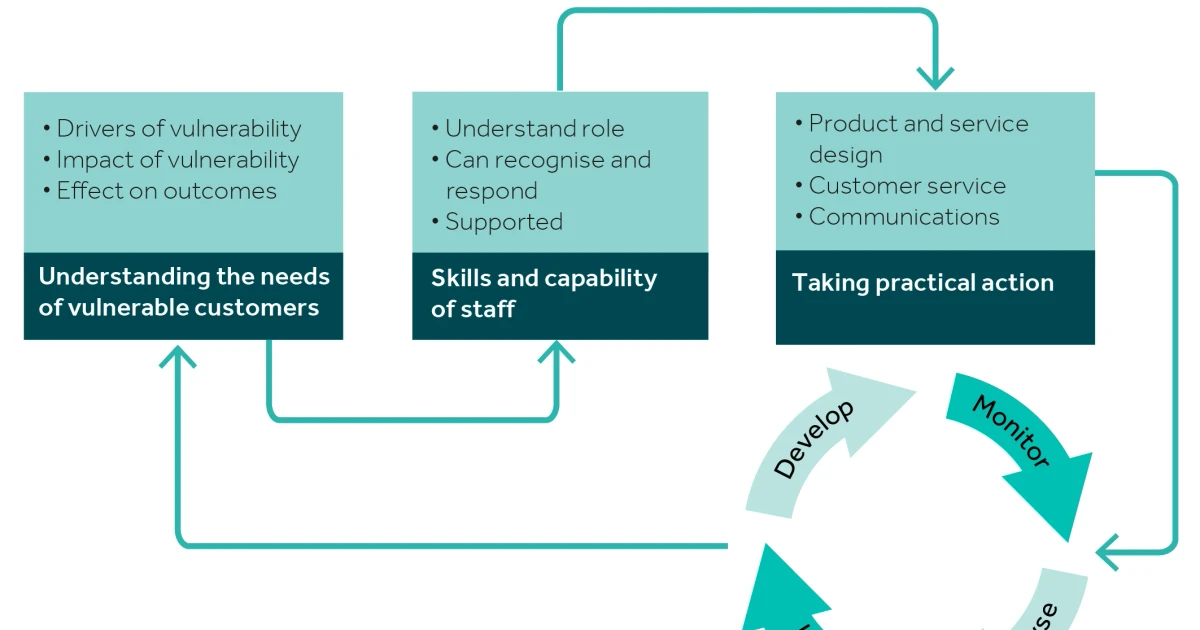
The FCA sharpened that message in February 2021 with finalised guidance FG21/1 on the fair treatment of vulnerable customers, saying firms should understand vulnerable consumers’ needs, make sure staff have the skills to respond appropriately and take practical action to support them.
The regulator then pushed further in April 2024 with PS24/2, Strengthening protections for borrowers in financial difficulty: Consumer credit and mortgages. In a news story updated on 18 March 2024, the FCA said it had joined other regulators to warn firms on debt collection.
The Consumer Duty raised the bar again for debt purchasing, debt collecting and debt administration services. In its 21 February 2023 portfolio letter to firms in that sector, the FCA said the duty was a significant shift in expectations, moving the industry toward an outcomes-focused approach and higher standards of care for customers. For borrowers, collectors are expected to look beyond the balance on a screen and consider whether the contact, pressure and next steps are fair.
What pressure can look like in practice
The pressure tactics that matter most are usually not dramatic. They tend to be repetitive contact, demands made before the debt is properly explained, and efforts to keep pushing when a borrower has already said they are vulnerable or believes the debt is wrong. National Debtline has guidance on harassment by creditors or debt collectors and on disputing debts you do not owe.
A collector can ask for payment, but it cannot simply ignore a dispute or keep pressing as if the borrower’s position does not matter. National Debtline’s sample letters include a creditor harassment warning letter and a letter for complaining to a debt collection agency that says you do not owe the debt, which gives borrowers a formal way to put the firm on notice rather than relying on phone calls alone.
The rights that many borrowers miss
One of the most useful protections comes before court action. The Pre-Action Protocol for Debt Claims applies to any business, including sole traders and public bodies, that is claiming payment of a debt from an individual. It requires initial information to be provided before proceedings are started, which limits the common collector tactic of using the threat of litigation as a substitute for explaining what is actually owed.
Another layer is the Debt Respite Scheme, also known as Breathing Space. Its creditor guidance sets out protections for eligible people in debt, giving breathing room where immediate collection pressure would make recovery harder, not easier. It pauses the race to enforce payment and creates space to deal with the underlying problem.

These protections sit inside a wider UK framework, not just a consumer-credit one. Official guidance on late commercial payments and debt recovery sits alongside the government’s debt-management vulnerability toolkit, covering consumer credit, business debt, vulnerability and recovery standards. The same logic applies in energy markets, where Ofgem said in its December 2024 debt strategy that energy debt was at levels it had never seen before and that debt and arrears had risen sharply after the energy crisis.
What to do when the pressure starts
If contact from a collector starts to feel unfair, the first move is to force the process back onto paper. Written information makes it easier to check whether the firm is actually dealing with the right debt, the right amount and the right legal route.
• Ask for written details of the debt and keep every letter, text and email.
• If contact feels harassing, use National Debtline’s creditor harassment warning letter.
• If the debt is not yours, use the debt-collector complaint letter and state that clearly.
• If you are eligible, check whether Breathing Space applies before agreeing to a payment plan.
Under FCA expectations, vulnerability is not something the borrower has to prove in a perfect form at the first call. Firms are supposed to identify it, respond properly and take practical action. A collector that keeps pushing in the face of obvious hardship may be the one failing the rules.
What carries across and what does not
The broad lesson transfers widely: keep records, challenge unsupported claims, and do not assume a collector’s urgency is the same as a legal deadline. But the legal protections themselves are UK-specific. FCA rules apply to FCA-regulated firms, the Pre-Action Protocol for Debt Claims applies in England and Wales, and Breathing Space is a UK debt-respite scheme, so none of those automatically map onto another country’s debt system.
Sources
- [1]cbsnews.com
- [2]fca.org.uk
- [3]handbook.fca.org.uk
- [4]nationaldebtline.org
- [5]justice.gov.uk
- [6]gov.uk
- [7]ofgem.gov.uk