World
UK defence minister quits over Starmer's military spending plans
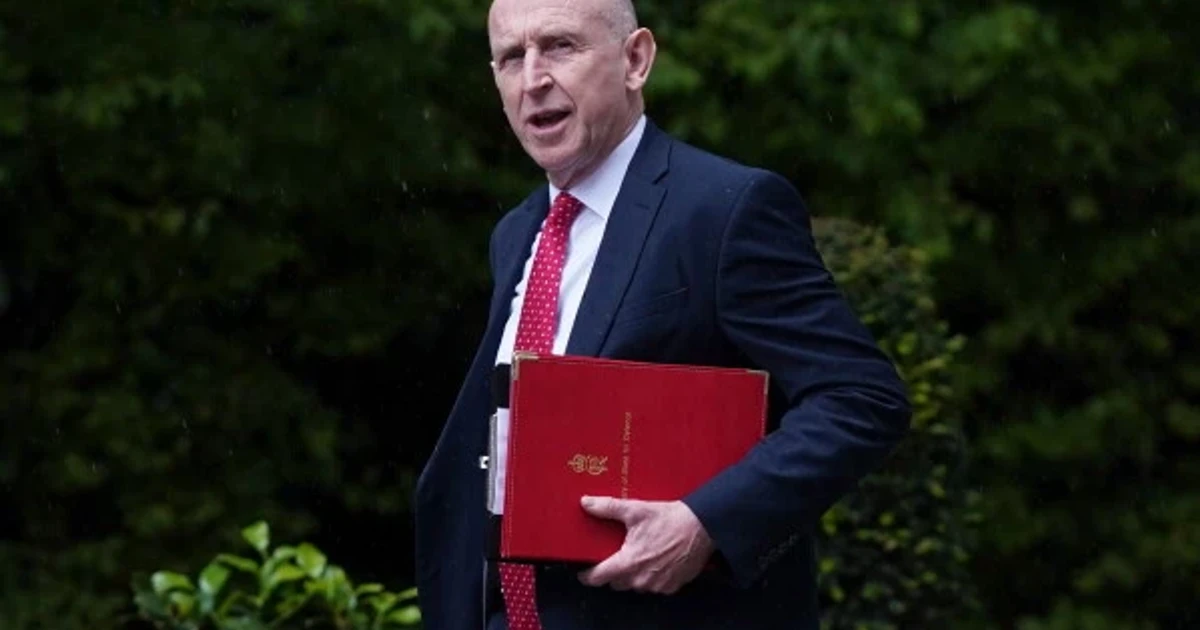
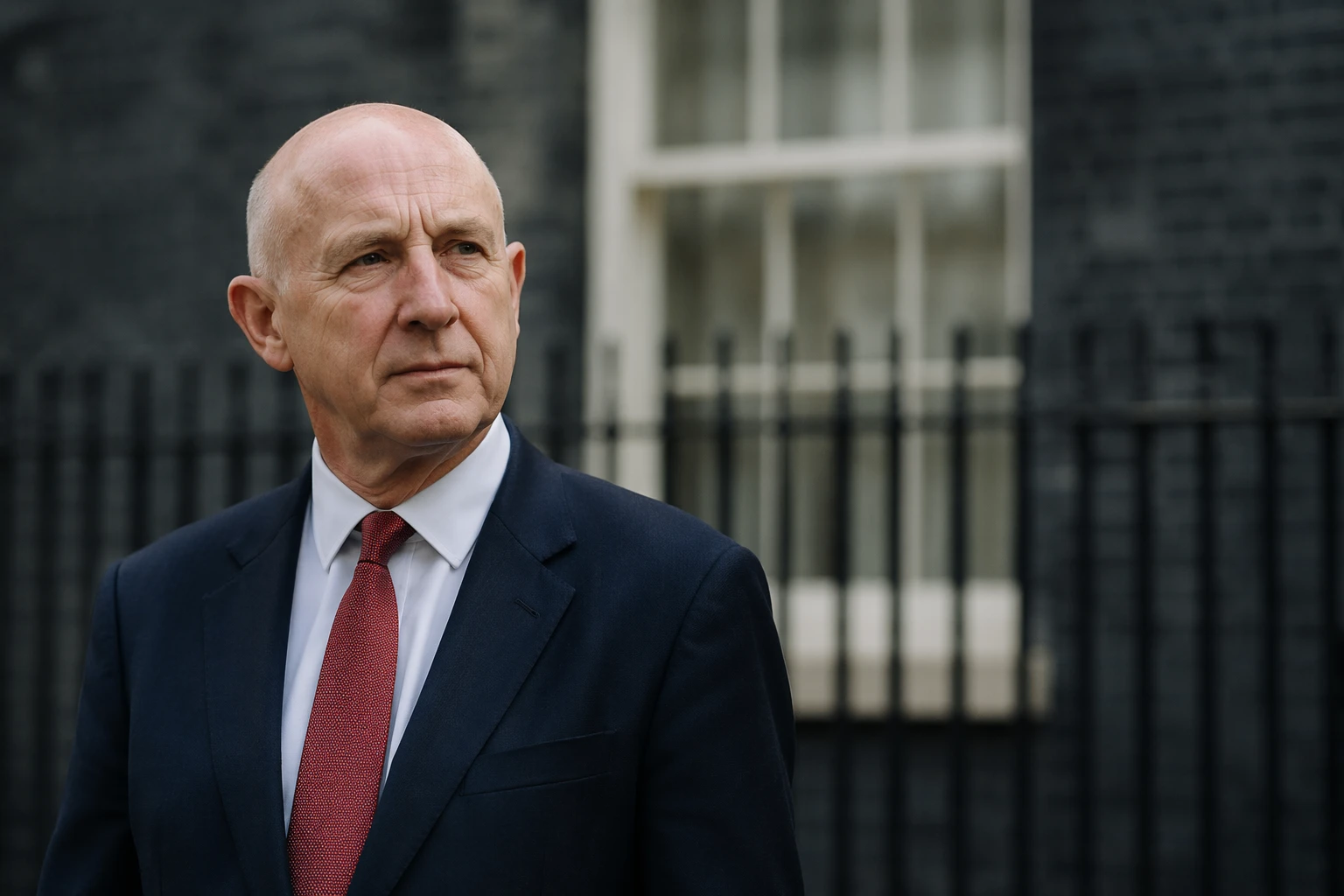
John Healey’s resignation turned a budget dispute into a direct challenge to Keir Starmer’s claim that Labour can make Britain safer. The defence secretary stepped down on Thursday, June 11, 2026, after a months-long fight over military spending, saying the Defence Investment Plan “falls well short of what is required for defence and the country at this dangerous time.”
Healey said he had only received the plan in full on Monday, June 9, underscoring how far the argument had run inside government before it broke into the open. His departure was not simply a personnel change. It exposed a widening fault line over whether Starmer’s government is prepared to match its security rhetoric with the money needed to back it.
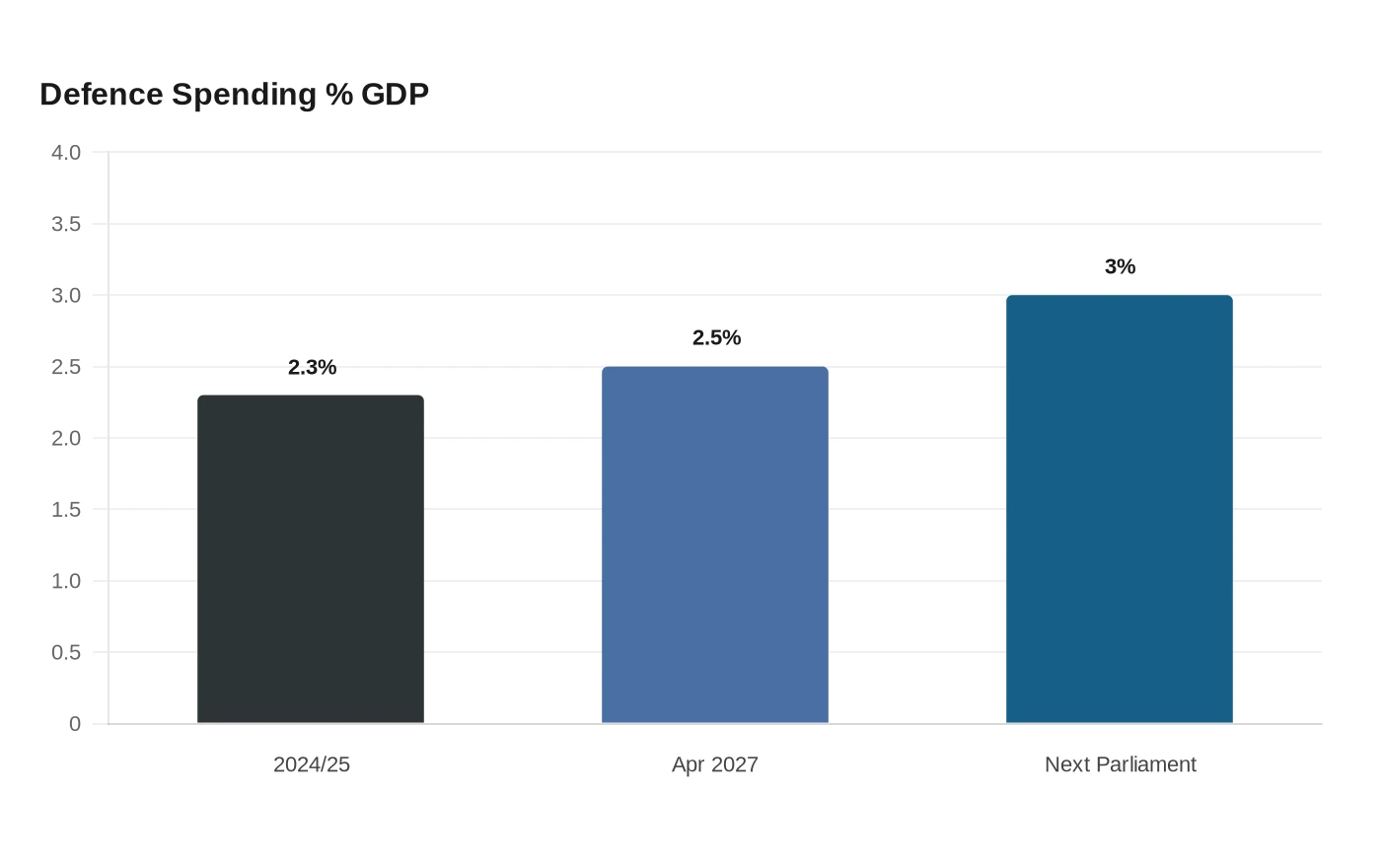
The stakes are already written into the government’s own policy. On February 25, 2025, ministers committed to raise defence spending to 2.5% of GDP from April 2027, with an ambition to reach 3% in the next Parliament if fiscal and economic conditions allow. The Strategic Defence Review 2025 says that plan is meant to restore the UK’s ability to deter, fight and win with allies by 2035, and to end the hollowing out of the armed forces. The Commons Library said defence spending was around 2.3% of GDP in 2024/25, and estimated the move to 2.5% would require an extra £6.4 billion in 2027.
The row has also sharpened a wider fight inside Whitehall over what gets cut to pay for rearmament. Bloomberg reported that HM Treasury had been weighing about £6 billion in capital spending cuts over four years, including money for hospitals and schools, to help fund a £15 billion increase in defence spending. That makes the dispute about more than one minister or one plan. It is a test of whether Labour can keep its fiscal discipline intact while meeting the costs of a more dangerous security environment.
The political damage deepened when Al Carns, the minister for the armed forces, resigned hours after Healey. The timing gave the row the shape of a broader warning to Starmer, one that lands against the backdrop of Russia’s war in Ukraine, tensions in the Middle East, pressure in the Red Sea and commitments in Kosovo. For a government that has pledged to rebuild deterrence and strengthen readiness, the question now is whether it can hold its defence strategy together before allies, commanders and voters conclude the answer is no.
Sources
- [1]news.google.com
- [2]reuters.com
- [3]gov.uk
- [4]commonslibrary.parliament.uk
- [5]bloomberg.com
- [6]news.sky.com