Politics
UK defence reset aims for warfighting readiness and NATO first policy

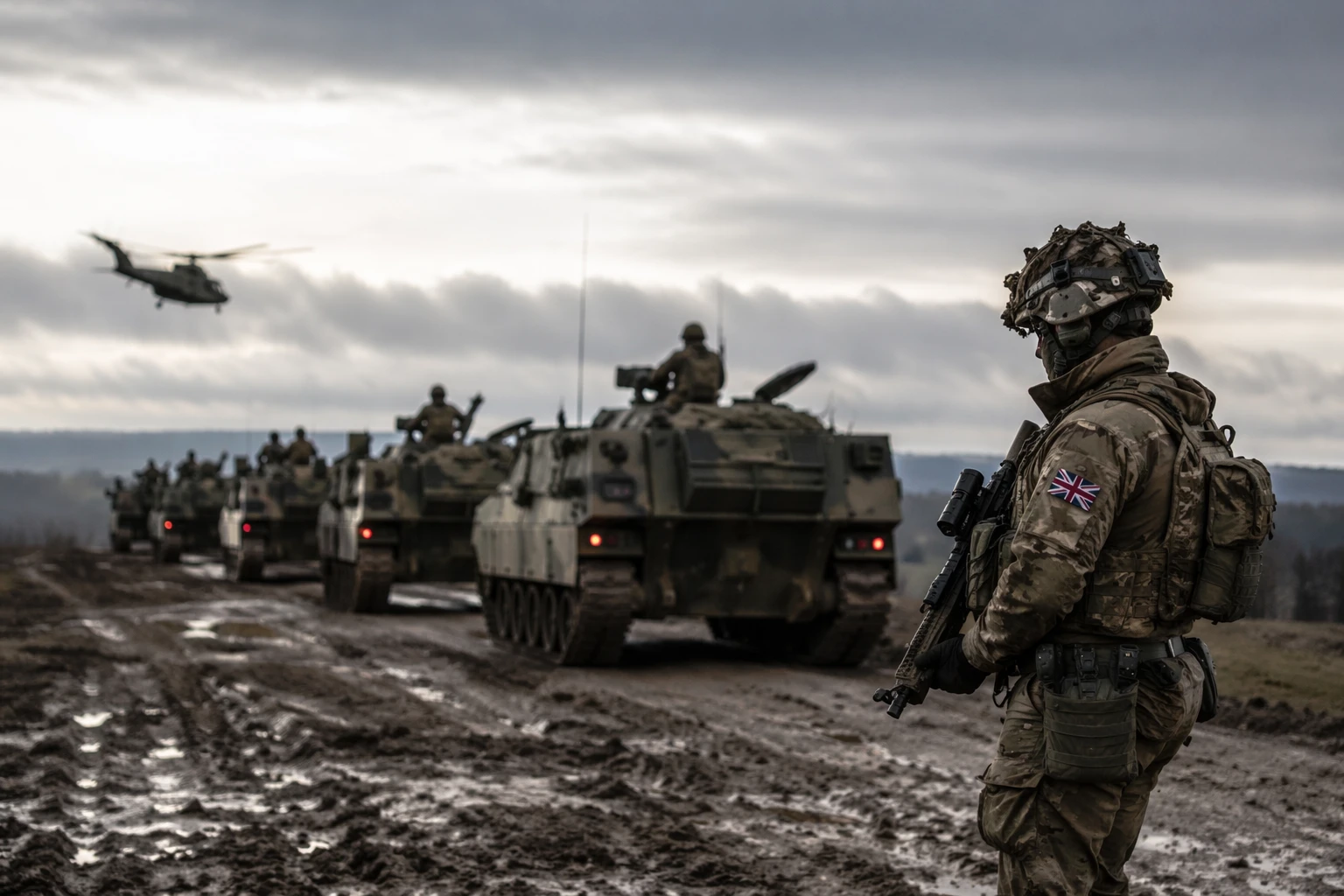
Britain plans to raise defence spending to 2.5% of GDP and build a military geared for "warfighting readiness". The Strategic Defence Review describes a security environment more serious and less predictable than at any time since the Cold War.
A review built around a darker threat picture
Published on 2 June 2025, the Strategic Defence Review lays out a stark picture of the world Britain now faces: war in Europe, growing Russian aggression, new nuclear risks and daily cyber-attacks at home. It also broadens the lens beyond Russia, pointing to malign actors, climate-related security pressures and rapid technological change as forces reshaping defence planning.
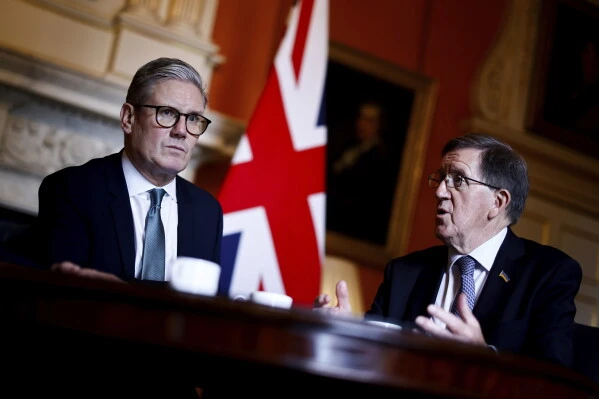
Lord Robertson, the former Labour defence secretary and former NATO secretary general, externally led the review, with support from Dr Fiona Hill and General Sir Richard Barrons, while the Ministry of Defence set the parameters. Defence Secretary John Healey described it as the first review of its kind in the UK, and the government has accepted all 62 recommendations.
The government describes it as a root-and-branch review of UK defence, aimed at ending the "hollowing out" of the armed forces and aligning the country more tightly with NATO plans and expectations.
The money behind the promise
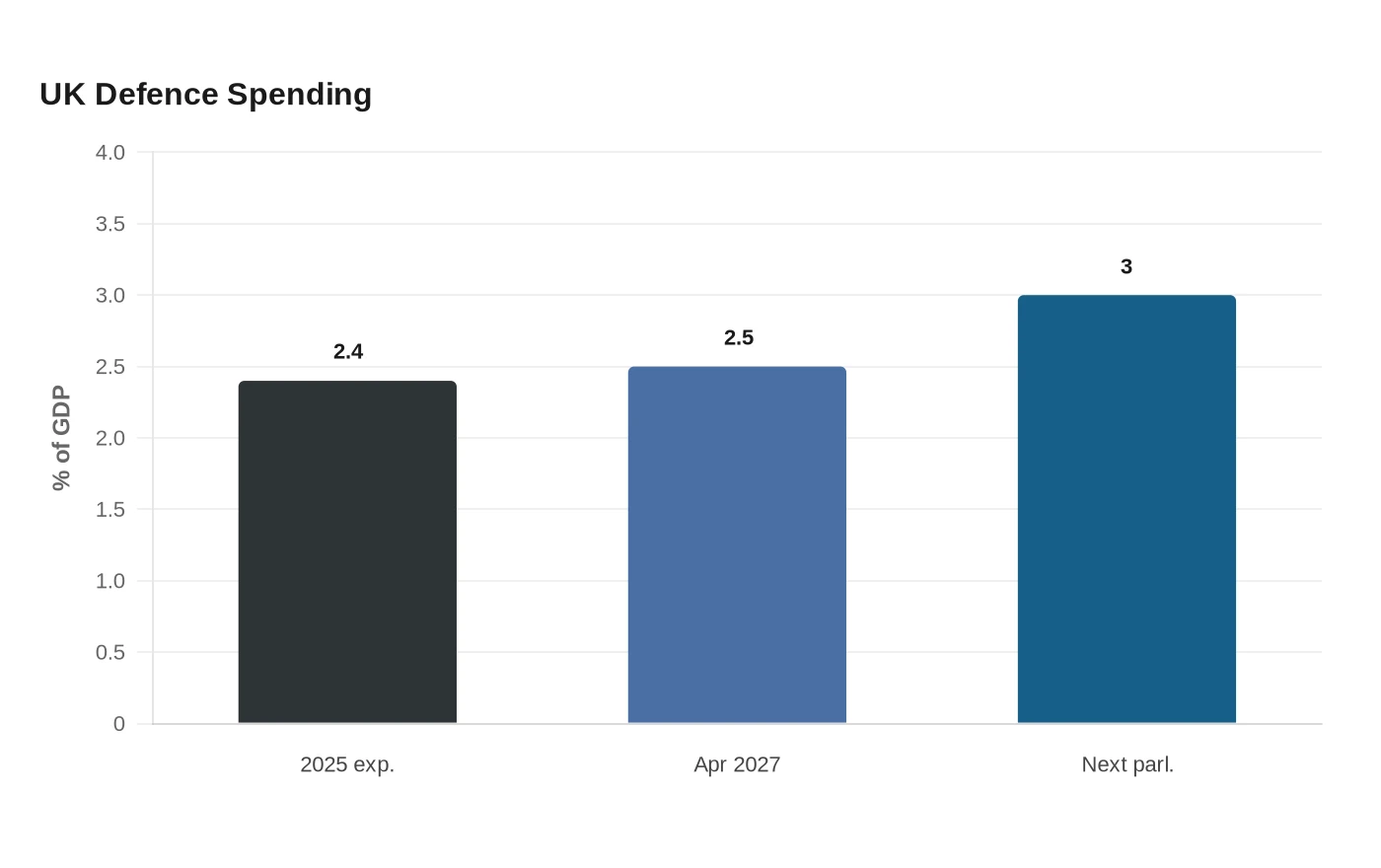
On 25 February 2025, Keir Starmer announced that defence spending would rise to 2.5% of GDP from April 2027. The ambition is to reach 3% of GDP in the next parliament, provided fiscal and economic conditions allow, a pledge Starmer called the biggest sustained increase in defence spending since the Cold War.
The House of Commons Library estimates that UK NATO-measured defence spending was expected to be 2.4% of GDP in 2025, so the move to 2.5% is incremental in the short term but still material in budget terms. The House of Commons Library estimates the 2.5% commitment would mean about £6.4bn more in 2027-28 than if spending had stayed at earlier levels.
NATO-style defence spending is broader than Ministry of Defence departmental spending, which is one reason headline comparisons can be misleading. The pledge covers a whole-of-government measure of defence effort, not only a narrow MoD budget line.
What the numbers say about Britain’s long decline
Over the past 15 years, real-terms UK defence spending fell by 22% between 2009/10 and 2016/17 before rising again, according to the House of Commons Library; it is now close to 2010 levels, and in real terms has almost returned to Cold War peak levels.
For decades, defence had been shrinking as a share of national output, and the review’s warning about "hollowing out" reflects the cumulative effect of that squeeze. The present plan is designed to reverse that pattern, but the scale of the reversal remains modest relative to the demands the review itself describes.
The government’s 2.5% target does not arrive until April 2027, so the uplift is phased rather than immediate. That means the most visible evidence of change will come through planning, procurement and force posture before the full money lands.
Why NATO first is more than a slogan
The review’s "NATO first" language is central to its political message. In practical terms, it tells allies that Britain wants its defence policy, force design and readiness priorities anchored in the alliance, not shaped primarily around national missions outside it. In a Europe marked by war in Ukraine and renewed Russian pressure, that is a clear effort to reassure partners that Britain intends to remain a front-line NATO power.
With the United States pressing allies to carry more of the load, a 2.5% target and a possible path to 3% put Britain among the more serious spenders in Europe, even if the increase is still contingent on future fiscal room. Allied security is no longer a side issue to domestic spending politics; the government is folding it into core economic and industrial strategy.
The government is linking higher spending to a broader policy of industrial strength, suggesting that procurement, jobs and resilience should reinforce one another.