World
UK Deploys HMS Dragon Amid Strait of Hormuz Tensions
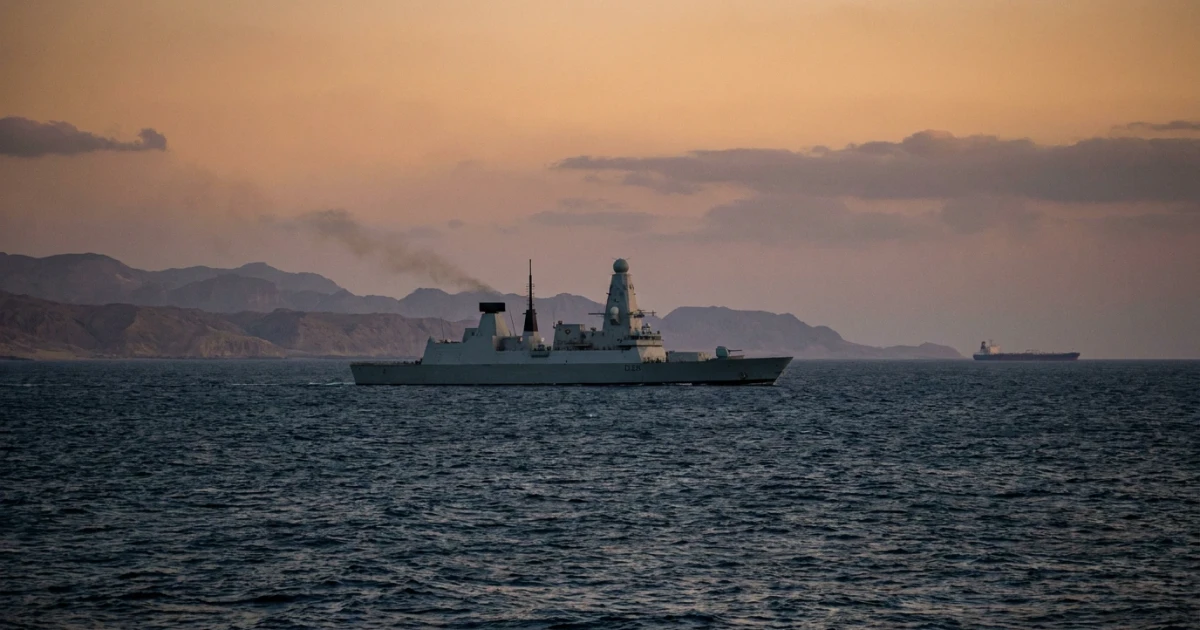
The United Kingdom has sent the Royal Navy destroyer HMS Dragon to the Middle East, with officials confirming the vessel is prepared for a potential mission in the Strait of Hormuz—a critical maritime chokepoint for global oil shipments. The deployment comes as regional tensions persist and follows a pattern of international naval presence in the area to ensure freedom of navigation.
Strategic Importance of the Strait of Hormuz
The Strait of Hormuz is widely recognized as one of the world’s most vital energy transit routes. According to data from the U.S. Energy Information Administration, approximately 21% of global petroleum liquids consumption passes through the strait each year, making its security essential for international energy markets. Any disruption in this narrow waterway—less than 40 kilometers at its widest point—can have immediate impacts on oil prices and shipping insurance rates.
Royal Navy’s Role in Regional Security
The deployment of HMS Dragon, a Type 45 destroyer, continues the Royal Navy’s longstanding involvement in safeguarding shipping lanes in the Gulf. Official records of Royal Navy ships deployed overseas show that British vessels have frequently operated in the region, particularly during periods marked by heightened tension with Iran and other regional actors.
- HMS Dragon is equipped with advanced radar and missile systems designed for air defense and maritime security.
- The deployment aligns with previous UK missions to escort commercial vessels and deter threats to international shipping.
- Other allied navies, including French and U.S. forces, have maintained a presence in the area to support collective maritime security.
Background: Recent Developments Driving Naval Deployments
The decision to send HMS Dragon comes amid ongoing concerns about the safety of commercial shipping in the Gulf, particularly following a series of incidents in recent years involving attacks and seizures of oil tankers. These events have prompted not only the UK but also other Western powers to bolster their naval commitments in the region.
The Reuters report notes that the deployment is not yet a formal assignment to the Strait of Hormuz but positions HMS Dragon to respond rapidly if a dedicated mission is required. The UK government has emphasized the importance of maintaining open trade routes and supporting international law in international waters. The move also coincides with the presence of a French carrier strike group and continued U.S. Navy patrols, underscoring a coordinated approach among allies.
Capabilities of HMS Dragon
As one of the Royal Navy’s six Type 45 destroyers, HMS Dragon is specifically designed to provide air defense for fleet operations. Its advanced radar systems can track hundreds of targets simultaneously, and its missile arsenal allows it to counter both airborne and surface threats. These capabilities make it particularly well-suited for high-risk environments like the Strait of Hormuz.
Wider Implications and Regional Context
Analysts point out that the Royal Navy’s deployment is as much about signaling resolve as it is about operational necessity. A UK Parliamentary Research Briefing on defense in the Middle East notes that such missions demonstrate the UK’s commitment to international maritime security and reinforce alliances with regional and NATO partners.
The Reuters coverage highlights that, while no immediate threat has been identified, the situation remains volatile. The UK’s flexible approach allows it to adjust its response based on developments in the region.
Looking Ahead
As HMS Dragon proceeds with its deployment, military planners and government officials will be closely monitoring the evolving situation in the Gulf. The ongoing presence of Royal Navy assets in the area ensures that the UK can quickly respond to any escalation that might threaten the vital Strait of Hormuz shipping lanes. For now, the deployment serves as both a deterrent and a reassurance to international shipping interests reliant on safe passage through this strategic chokepoint.